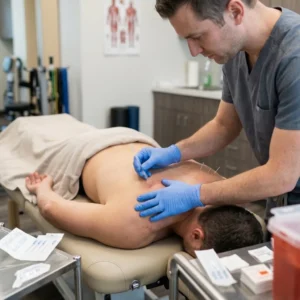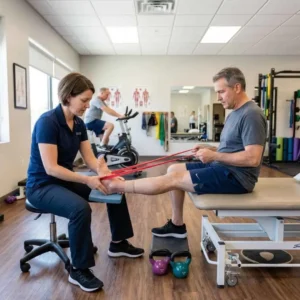
Fort Lauderdale’s active lifestyle can place repeated demands on the body. From sports and workouts to long hours at work and everyday movement, muscle tension and restricted mobility can gradually develop and make recovery feel slower. For people dealing with tight muscles, chronic pain, postural problems, or sports-related restrictions, myofascial release can provide a targeted approach to recovery. At TheraCave, 1-on-1 treatment combines hands-on soft tissue techniques with an individualized assessment so therapy can focus on the specific areas affecting movement and comfort.
What Is Myofascial Release?
Myofascial release is a form of manual therapy that focuses on myofascial tissues, the connective tissues surrounding and supporting muscles and other structures.
At TheraCave, therapists use soft tissue manipulation and gentle, sustained pressure to address restrictions between fascia, muscles, and bones. The goal is to reduce tension, improve mobility, and help restore normal function.
Unlike a general massage session, professional myofascial treatment can be incorporated into a broader rehabilitation approach based on the individual’s movement patterns and physical needs.
The treatment may be useful for people experiencing:
- Chronic muscle tension
- Lower back discomfort
- Neck pain
- Headaches
- Postural problems
- Sports injuries
- Restricted flexibility
- Certain musculoskeletal conditions
TheraCave notes that myofascial release may help improve muscle function, flexibility, range of motion, and movement while addressing restrictions within the fascia.

Why 1-on-1 Treatment Can Support Faster Recovery
Recovery is rarely identical from one person to another.
Two people can experience similar discomfort while having completely different movement restrictions, muscle imbalances, or postural patterns.
That is why individualized treatment matters.
During a 1-on-1 myofascial release session, the therapist can assess how the patient moves and identify areas where tension or restricted tissue mobility may be affecting function.
TheraCave describes its process as beginning with an assessment of posture and movement patterns before the therapist applies hands-on pressure to affected areas.
This personalized approach allows treatment to focus on the patient’s actual needs instead of applying exactly the same technique to everyone.
A Fort Lauderdale Recovery Scenario
Consider an active Fort Lauderdale resident who develops persistent tightness through the neck and shoulders after weeks of demanding workouts and long periods at a desk.
At first, the discomfort seems minor.
The person continues exercising and working normally, expecting the tightness to disappear.
Instead, movement gradually becomes more restricted. Certain exercises feel uncomfortable, and the person notices that the shoulders and neck remain tense throughout the day.
Rather than continuing to work around the problem, the individual schedules an evaluation at TheraCave.
The therapist assesses posture and movement and identifies areas of soft tissue restriction contributing to the patient’s limited movement.
During individualized myofascial release sessions, gentle sustained pressure is applied to restricted areas. The treatment is focused on improving tissue mobility and reducing excessive tension.
As treatment progresses, myofascial release can be combined with other rehabilitation strategies when appropriate.
TheraCave explains that myofascial release can be combined with physical therapy, massage therapy, and exercise programs to support overall treatment outcomes.
The important difference is that treatment is directed toward the individual’s specific restrictions rather than simply providing generalized muscle work.
How Myofascial Release Works
Myofascial release uses controlled manual pressure to address restrictions in myofascial tissues.
TheraCave describes the technique as applying gentle, sustained pressure to connective tissues to release restrictions, improve blood flow, and restore mobility.
Releasing Soft Tissue Restrictions
Tight or restricted tissue can affect how freely a person moves.
By addressing areas of restriction, treatment can help improve the way affected tissues move.
Supporting Mobility
Improved tissue mobility can make movement feel less restricted.
This can be particularly valuable during rehabilitation when restoring range of motion is an important goal.
Reducing Muscle Tension
Persistent tension can contribute to discomfort and restricted movement.
Myofascial techniques are designed to address tension within the soft tissues rather than simply masking the sensation of discomfort.
Myofascial Release for Sports Recovery
Fort Lauderdale residents who participate in running, strength training, recreational sports, or other physical activities may experience muscle tightness and movement restrictions after repeated activity.
Recovery does not simply mean waiting until soreness disappears.
Returning to activity while movement remains restricted can potentially contribute to continued compensation and inefficient movement.
TheraCave identifies sports injuries as one area where myofascial release may be useful. The treatment can help reduce muscle tension and improve flexibility and range of motion while addressing fascial restrictions and imbalances.
For an athlete, this can make individualized treatment a valuable part of a broader rehabilitation plan.
Addressing Postural Problems
Modern work habits can keep people in the same position for hours.
Desk work, computer use, driving, and extended periods of sitting can all contribute to poor movement habits and muscular tension.
Over time, these patterns may contribute to rounded shoulders, forward head posture, or other postural issues.
TheraCave notes that myofascial release can help address postural problems by releasing tight fascia that may contribute to altered alignment and movement.
A 1-on-1 approach is especially useful because the therapist can observe how the patient’s posture and movement interact rather than treating a single area in isolation.
Myofascial Release for Chronic Pain
Persistent pain can affect everyday movement, exercise, sleep, and quality of life.
TheraCave lists chronic pain among the conditions for which myofascial release may be beneficial, including lower back, neck, and pelvic pain.
However, treatment should be based on an individual assessment.
Myofascial release is not a universal solution for every type of pain. A qualified professional can determine whether the technique is appropriate and whether it should be combined with other physical therapy interventions.
This is another advantage of professional 1-on-1 care: treatment can be adjusted according to the patient’s response.
Why Professional Treatment Is Better Than Trying to Release Fascia Yourself
Foam rollers, massage tools, and stretching techniques can be useful components of some people’s routines, but they are not substitutes for professional assessment.
It can be difficult to determine which tissue is actually contributing to a movement restriction without appropriate knowledge of anatomy and movement mechanics.
Applying excessive pressure to a painful area can also be counterproductive.
A trained therapist can assess the patient’s posture and movement, determine appropriate areas for treatment, and control the amount and duration of pressure being applied.
TheraCave describes its sessions as involving professional assessment followed by targeted hands-on treatment based on the patient’s needs.
What Happens During a 1-on-1 Session?
A typical session at TheraCave is personalized around the patient’s condition and treatment goals.
Initial Assessment
The therapist evaluates posture and movement patterns to understand the patient’s restrictions.
Targeted Hands-On Treatment
Gentle pressure is applied to affected myofascial areas to address tightness and restrictions.
Functional Focus
Treatment is directed toward improving movement and physical function rather than simply providing temporary relaxation.
Ongoing Adjustment
The number of sessions varies depending on the patient’s condition and response. TheraCave notes that some patients experience meaningful relief after a few sessions, while others may benefit from ongoing therapy.
A typical myofascial release session lasts approximately 30 to 60 minutes, depending on the individual’s needs and the areas being treated.
Can Myofascial Release Be Combined With Physical Therapy?
Yes.
One of the advantages of receiving treatment from a physical therapy practice is that hands-on therapy can be incorporated into a larger rehabilitation strategy when appropriate.
TheraCave states that myofascial release can be combined with physical therapy, massage therapy, and exercise programs to enhance overall outcomes.
For example, a patient may receive hands-on treatment to address soft tissue restrictions while also working on strength, mobility, posture, or movement control.
This combination can make the rehabilitation process more comprehensive.
What Can Patients Expect After Treatment?
Myofascial release is generally described by TheraCave as gentle and tolerable.
Some people may experience temporary soreness or mild bruising after treatment, although side effects are generally minimal.
Patients should communicate with their therapist throughout the session.
If pressure feels uncomfortable or symptoms change, the therapist can adjust the treatment accordingly.
The objective is not to cause unnecessary pain. It is to provide controlled treatment that addresses the patient’s individual soft tissue restrictions.
How Many Sessions Are Needed?
There is no single number of sessions that applies to everyone.
The appropriate treatment frequency depends on factors such as:
- The condition being treated
- Severity of restrictions
- Duration of symptoms
- Functional goals
- Response to treatment
- Whether other therapies are being used
TheraCave states that some patients may experience significant relief within a few sessions, while others may require ongoing treatment.
This reinforces the importance of individualized care rather than following a fixed treatment schedule.
Why Choose TheraCave for Myofascial Release?
TheraCave provides professional myofascial release as part of its broader physical therapy and rehabilitation services.
Its approach emphasizes assessment, personalized treatment planning, and professional guidance throughout rehabilitation.
The practice is located at 1 E Broward Blvd #700, Fort Lauderdale, FL 33301, and serves patients throughout Broward County.
The clinic’s treatment options extend beyond myofascial release and include physical therapy, massage therapy, sports injury rehabilitation, exercise physiotherapy, dry needling, and other specialized treatments.
That makes it possible to build a treatment approach around the patient’s specific recovery needs.
Frequently Asked Questions
What is myofascial release?
Myofascial release is a manual therapy technique that targets myofascial tissues to help reduce restrictions, improve movement, and support physical function.
Can myofascial release help with sports injuries?
It may help reduce muscle tension and improve flexibility and range of motion during sports injury rehabilitation. TheraCave includes sports injuries among the conditions for which myofascial release may be beneficial.
Is myofascial release painful?
It is generally not considered painful. Some discomfort can occur when tight areas are being treated, but TheraCave describes the pressure as generally gentle and tolerable.
How long is a myofascial release session?
A typical session lasts approximately 30 to 60 minutes, depending on the patient’s needs and the treatment areas.
Can myofascial release help improve posture?
It may help address postural issues by releasing tight fascia that can contribute to altered body positioning and movement.
Can myofascial release be combined with other treatment?
Yes. TheraCave states that myofascial release can be combined with physical therapy, massage therapy, and exercise programs when appropriate.
How do I schedule treatment?
TheraCave offers appointments and complimentary consultations. Patients can call (954) 284-0716 to discuss their needs and schedule an assessment.
Start a More Personalized Recovery in Fort Lauderdale
Recovery can take longer when persistent muscle tension, restricted mobility, or inefficient movement patterns continue to interfere with normal activity. 1-on-1 myofascial release provides a targeted, hands-on approach that focuses on the individual rather than applying a generic treatment routine.
TheraCave uses posture and movement assessment to guide individualized myofascial treatment, with the goal of addressing soft tissue restrictions, improving mobility, and supporting better physical function. The therapy can also be incorporated into broader rehabilitation programs involving physical therapy and exercise when appropriate.
If pain, tightness, restricted movement, or an injury is slowing your recovery, call TheraCave at (954) 284-0716 or schedule a professional consultation for personalized myofascial release in Fort Lauderdale.