Fort Lauderdale residents dealing with pregnancy-related discomfort, postpartum changes, pelvic pain, or pelvic floor dysfunction may find that everyday movement becomes more difficult than expected. These problems can affect strength, posture, mobility, and overall quality of life, making professional pelvic floor PT an important part of recovery. At TheraCave, physical therapy is built around personalized assessment and treatment plans designed to address each patient’s condition, goals, and functional limitations.
What Is Pelvic Floor PT?
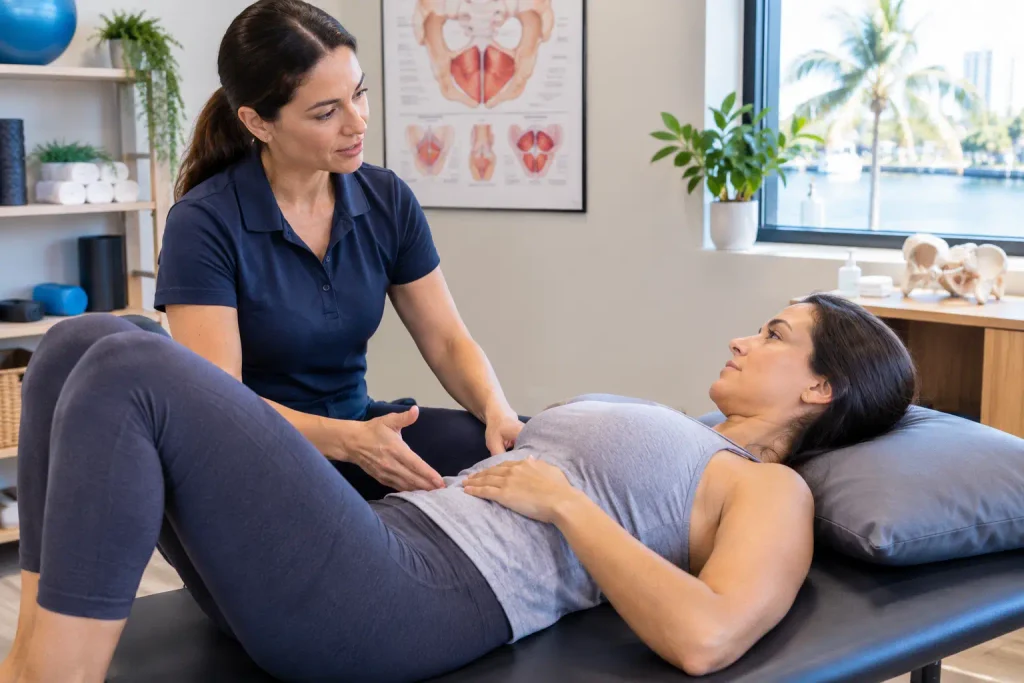
Pelvic floor physical therapy is a specialized approach to physical rehabilitation that focuses on the muscles and structures supporting the pelvis.
These muscles play important roles in stability, movement, bladder and bowel function, and core support. When the pelvic region becomes weak, overly tense, painful, or affected by pregnancy, surgery, injury, or other physical changes, professional therapy can help address related movement and functional problems.
TheraCave’s physical therapy approach combines assessment, therapeutic exercise, manual therapy, and other evidence-based techniques based on the patient’s individual needs.
The objective is not simply to strengthen muscles. Effective rehabilitation may also involve improving mobility, coordination, posture, flexibility, and overall physical function.
Why Pelvic Floor Problems Can Slow Recovery
Pelvic floor issues can affect more than the pelvic region itself.
The pelvis works together with the abdominal muscles, lower back, hips, and surrounding structures to support movement and stability.
When one part of this system is not functioning properly, other areas may compensate.
For example, a person experiencing pelvic discomfort may unconsciously change how they walk, exercise, sit, or lift objects.
Over time, these changes can contribute to additional muscle tension, weakness, or movement limitations.
This is why addressing the underlying physical limitations can be more useful than simply trying to avoid activities that cause discomfort.
TheraCave emphasizes comprehensive assessment and individualized treatment planning to identify physical impairments and functional limitations and develop a rehabilitation program around the patient’s specific needs.
A Fort Lauderdale Recovery Scenario
Consider a Fort Lauderdale resident recovering after pregnancy.
As the body changes during pregnancy, the individual develops lower back and pelvic discomfort. After delivery, some of the discomfort remains, while weakness through the core makes certain everyday activities feel difficult.
The patient assumes the symptoms will disappear with time.
Instead, lifting, walking for longer periods, exercising, and maintaining comfortable posture continue to feel challenging.
A professional physical therapy evaluation provides a different approach.
At TheraCave, the therapist can assess the patient’s physical condition, discuss symptoms and goals, and create a treatment plan tailored to the recovery process.
Treatment may focus on restoring strength, improving mobility, addressing posture, and gradually rebuilding functional movement.
TheraCave specifically identifies pelvic floor dysfunction, pelvic pain, lower back pain, sciatica, and diastasis recti among issues that may be addressed through pregnancy-related physical therapy.
Rather than simply waiting for symptoms to resolve, the patient receives structured guidance designed around the body’s changing needs.
How Pelvic Floor PT Supports Recovery
Improving Strength
Weakness in the pelvic floor and surrounding core muscles can affect stability and everyday movement.
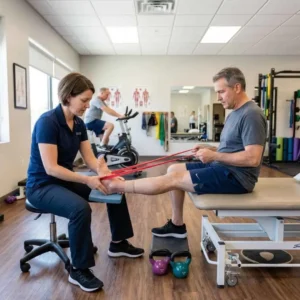
A personalized exercise program can progressively build strength while accounting for the patient’s current ability.
TheraCave’s physical therapy services use individualized exercise programs to improve strength, flexibility, endurance, mobility, and function.
Restoring Mobility
Pain and weakness can make people move differently.
Physical therapy can address mobility limitations and help patients gradually return to comfortable movement.
Improving Posture
Pelvic and core function can influence overall posture.
TheraCave’s pregnancy physical therapy services specifically address postural changes and upper-back tension alongside pelvic and lower-back concerns.
Building Functional Confidence
Recovery is not only about reducing symptoms.
Patients often want to return to normal activities, exercise, work, or caring for their families without constantly worrying about movement.
A structured rehabilitation program gives patients professional guidance as they progress.
Pelvic Floor PT During Pregnancy
Pregnancy creates significant physical changes.
Changes in weight distribution, posture, joint stability, and abdominal pressure can contribute to discomfort through the lower back and pelvic region.
TheraCave offers pregnancy physical therapy designed to support patients throughout different stages of pregnancy. Its services address concerns including lower back pain, pelvic pain, pelvic girdle dysfunction, sciatica, abdominal separation, and postural changes.
The goal is to maintain appropriate strength and mobility while adapting treatment to the body’s changing requirements.
Physical therapy can also help patients stay active safely when symptoms or physical limitations begin interfering with normal activities.
Supporting Postpartum Recovery
Recovery does not necessarily end after delivery.
The body continues adjusting after pregnancy, and some patients experience ongoing weakness, discomfort, postural changes, or pelvic floor dysfunction.
TheraCave notes that physical therapy can support postpartum recovery by strengthening muscles that support the pelvic floor and core while improving strength, flexibility, and posture.
Addressing Core Weakness
Pregnancy can place significant demands on the abdominal wall.
TheraCave also treats diastasis recti, a condition involving separation of the abdominal muscles that can affect core stability, posture, breathing, and pelvic function.
A targeted rehabilitation program can focus on rebuilding appropriate core strength rather than immediately returning to demanding abdominal exercises.
Improving Movement
Postpartum recovery may involve gradual restoration of normal movement patterns.
A physical therapist can help patients progress through exercises based on their individual condition and goals.
Why Professional Pelvic Floor PT Is Better Than Guesswork
Pelvic floor problems are not identical for every patient.
Some people may have weakness, while others may experience excessive tension or coordination problems. Pregnancy, postpartum changes, surgery, injuries, and other conditions can also produce different physical limitations.
That makes generic exercise routines unreliable.
TheraCave’s physical therapy process begins with a comprehensive assessment that includes discussing the patient’s history, performing physical tests, identifying goals, and developing a personalized treatment plan.
Professional evaluation helps determine what the patient actually needs instead of assuming that the same exercises will work for everyone.
Exercise Selection Matters
An exercise that benefits one person may be inappropriate for another.
A therapist can select and progress exercises according to the patient’s current strength, mobility, symptoms, and recovery stage.
Technique Matters
Correct form is important when rebuilding strength.
Professional guidance helps patients understand how to perform movements safely and effectively.
Progression Matters
Recovery should generally progress gradually.
TheraCave emphasizes personalized programs and ongoing professional guidance rather than a one-size-fits-all approach.
Pelvic Floor PT Can Be Part of a Broader Treatment Plan
Pelvic rehabilitation does not necessarily have to stand alone.
Physical therapy can combine different treatment methods depending on the patient’s condition.
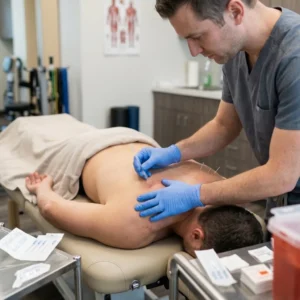
TheraCave provides manual therapy, exercise physiotherapy, massage therapy, dry needling, and other physical therapy services.
This allows the therapist to build a treatment strategy around the patient’s specific needs.
For example, a patient experiencing both muscle tightness and weakness may benefit from a combination of hands-on techniques and carefully selected strengthening exercises.
What Happens During the First Visit?
Patients should expect their first physical therapy appointment to focus on understanding the problem.
Comprehensive Assessment
The therapist discusses the patient’s medical history, symptoms, limitations, and recovery goals.
Physical Evaluation
Physical tests are used to evaluate movement and identify relevant limitations.
Personalized Treatment Plan
The therapist develops a program based on the findings and the patient’s goals.
Guided Rehabilitation
Future sessions focus on progressing treatment and exercises as the patient’s condition changes.
This process makes pelvic floor PT more than simply being given a list of exercises.
How Long Does Recovery Take?
There is no universal recovery timeline.
The time required depends on the condition, its severity, the patient’s overall health, treatment consistency, and individual response.
TheraCave explains that some patients notice changes after only a few sessions, while others require several weeks or months depending on their condition.
The goal should be sustainable improvement rather than rushing through rehabilitation.
Consistency with appointments and recommended home exercises can play an important role in progress.
When Should You Consider Pelvic Floor PT?
Professional evaluation may be appropriate if you experience:
- Pelvic pain
- Pelvic pressure or discomfort
- Postpartum weakness
- Pregnancy-related pelvic discomfort
- Lower back pain associated with pregnancy
- Urinary leakage
- Core weakness
- Diastasis recti
- Difficulty returning to exercise
- Movement limitations following surgery or injury
TheraCave identifies pelvic floor dysfunction and urinary leakage as possible symptoms associated with diastasis recti and provides targeted physical therapy for these concerns.
Persistent or worsening symptoms should be discussed with an appropriate healthcare professional.
Why Choose TheraCave in Fort Lauderdale?
TheraCave provides evidence-based physical therapy with individualized treatment plans designed around each patient’s needs and goals.
The clinic’s Fort Lauderdale location is at 1 E Broward Blvd #700, Fort Lauderdale, FL 33301, and it serves patients throughout Broward County.
Its approach emphasizes personalized care rather than cookie-cutter rehabilitation. The clinic provides 1-on-1 sessions with licensed Doctors of Physical Therapy and uses a range of treatment approaches depending on the patient’s condition.
That individualized attention can be particularly valuable when dealing with pelvic and postpartum concerns that require careful progression.
Frequently Asked Questions
What is pelvic floor PT?
Pelvic floor PT is specialized physical therapy designed to address problems involving the pelvic region, core, movement, strength, and related functional limitations.
Can pelvic floor PT help during pregnancy?
Yes. TheraCave offers pregnancy physical therapy for conditions including pelvic pain, pelvic girdle dysfunction, lower back pain, sciatica, and diastasis recti.
Can physical therapy help with postpartum recovery?
Physical therapy can help rebuild strength, flexibility, posture, and the muscles supporting the pelvic floor and core after pregnancy.
Can pelvic floor PT help with urinary leakage?
Urinary leakage can be associated with pelvic floor dysfunction and conditions such as diastasis recti. A professional assessment can determine whether physical therapy is appropriate.
Is pelvic floor PT only for women?
No. Pelvic and core-related physical problems can affect people of different ages and genders. The appropriate treatment depends on the individual’s condition.
How long is a physical therapy session?
TheraCave states that a typical physical therapy session generally lasts between 45 minutes and one hour, although treatment frequency and duration depend on the patient’s condition and goals.
How do I schedule pelvic floor PT in Fort Lauderdale?
TheraCave can be contacted at (954) 284-0716 to schedule an assessment or complimentary consultation.
Start Your Recovery With Personalized Pelvic Floor PT
Pelvic floor problems can affect much more than one area of the body. Pregnancy, postpartum changes, pelvic discomfort, core weakness, and related conditions can influence posture, mobility, strength, and everyday activities.
Pelvic floor PT provides a professional approach to recovery by identifying the patient’s specific limitations and developing a treatment plan around their condition and goals. TheraCave combines personalized assessment with therapeutic exercise, manual therapy, and other evidence-based physical therapy techniques to help patients restore movement and function.
For Fort Lauderdale patients, TheraCave provides individualized physical therapy at its downtown clinic, with licensed Doctors of Physical Therapy guiding patients throughout their rehabilitation.
If pelvic discomfort, postpartum changes, weakness, or movement limitations are affecting your daily life, call TheraCave at (954) 284-0716 to schedule a professional evaluation and learn how personalized pelvic floor PT can support your recovery.