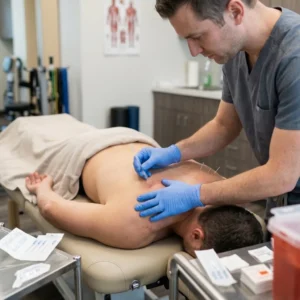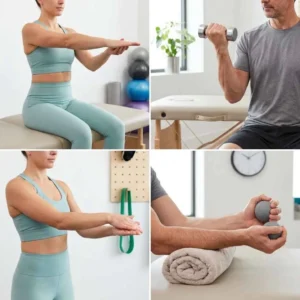
Dry needling may help people with persistent muscle tightness in several ways. Its effects depend on the affected muscles, the cause of the symptoms, and the individual’s response to treatment.
1. Targets Sensitive Muscle Tightness Trigger Points
Trigger points can make certain areas of a muscle feel tender, knotted, or painful when pressed. Dry needling allows a trained practitioner to target selected points directly rather than relying exclusively on surface-level techniques.
For someone with stubborn shoulder or back tension, this targeted approach may help reduce localized discomfort and make normal movement more comfortable.
2. Helps Reduce Pain Sensitivity and Muscle Tightness
Dry needling stimulates tissues and may influence how the nervous system processes pain. For some people, this can reduce sensitivity around an affected muscle and make daily activities easier.
However, pain relief varies, and dry needling is not a guaranteed solution for every type of chronic pain.
3. Supports Better Range of Motion
Muscle Tightness can make it difficult to turn the neck, lift the arms, bend forward, or move comfortably during exercise. When treatment reduces pain and muscle sensitivity, a person may find it easier to move through a more comfortable range.
TheraCave incorporates dry needling into individualized physical therapy when appropriate, helping patients work toward improved movement and function.
4. Complements a Broader Recovery Plan
Muscle tightness may return if the factors contributing to it remain unaddressed. For example, an office worker may continue experiencing neck discomfort if prolonged sitting and poor workstation positioning contribute to symptoms.
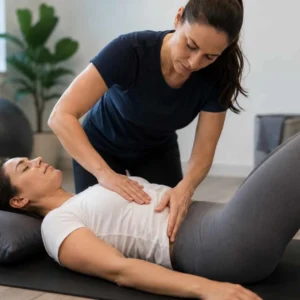
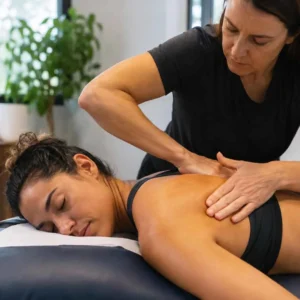
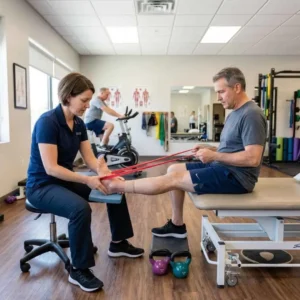
Combining dry needling with manual therapy, mobility work, and targeted therapeutic exercises may help address multiple aspects of the problem. TheraCave offers personalized physical therapy rather than relying on one treatment technique alone.
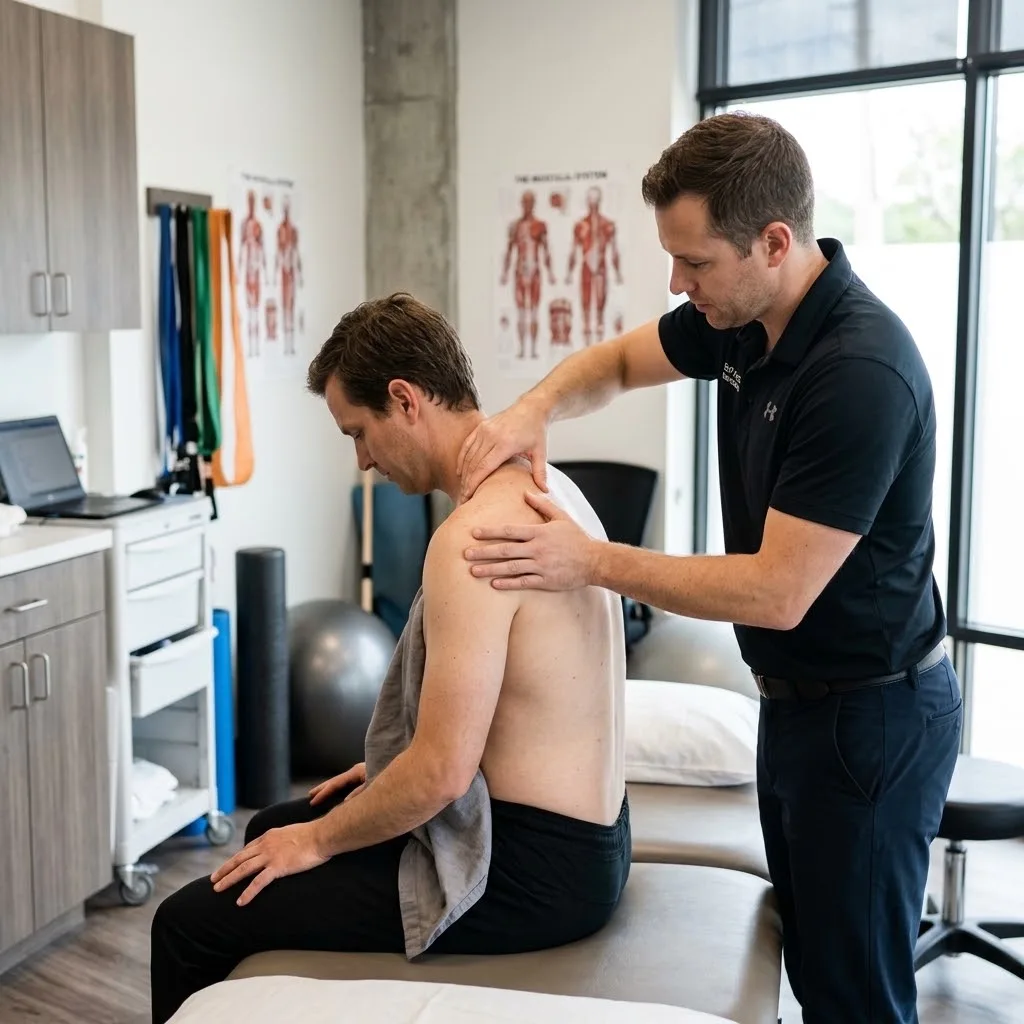
A Patient Scenario: Persistent Neck and Shoulder Muscle Tightness
Consider an office worker in Fort Lauderdale who spends most of the day working at a computer. Over several months, the person develops persistent tightness across the shoulders and upper back. Turning the head becomes uncomfortable, and the muscles feel tense even after taking breaks or receiving occasional massages.
During a professional assessment, a physical therapist evaluates the person’s symptoms, neck and shoulder movement, muscle tenderness, and daily activity patterns. The assessment suggests that muscular sensitivity may be contributing to the discomfort, while also checking for signs that would require a different approach.
If appropriate, the therapist incorporates dry needling to target selected trigger points. The treatment is followed by reassessment and a personalized plan that may include mobility exercises, strengthening, and changes to movement habits.
Over subsequent sessions, the patient may experience reduced discomfort and improved neck movement. The therapist adjusts the plan according to the patient’s response rather than assuming that every session will produce the same result.
This is an illustrative patient scenario, not a verified TheraCave patient testimonial or a guarantee of treatment outcomes.
Why Professional Dry Needling Matters
Dry needling involves inserting needles into muscle tissue, so appropriate training, clinical judgment, and safety procedures are essential. Attempting to replicate the technique without professional qualifications can cause injury or infection and may delay proper diagnosis.
Accurate Assessment and Muscle Selection
A physical therapist evaluates the location and pattern of symptoms before selecting treatment areas. Pain that feels muscular may sometimes originate from a joint, a nerve, or another underlying condition.
A thorough assessment helps determine whether dry needling is suitable and whether additional evaluation is necessary.
Knowledge of Anatomy and Safe Needle Placement
Muscles differ in depth, location, and their proximity to nerves, blood vessels, and internal structures. A trained practitioner uses anatomical knowledge and appropriate techniques to reduce avoidable risks.
Sterile, single-use needles and proper hygiene practices are also important parts of safe treatment.
Personalized Treatment Instead of a One-Size-Fits-All Approach
The right treatment depends on the person’s symptoms, health history, movement limitations, and recovery goals. A professional can determine whether dry needling should be used alone for a particular purpose or alongside other physical therapy interventions.
At TheraCave, licensed Doctors of Physical Therapy provide individualized care, with dry needling available as part of a broader range of rehabilitation services. The clinic emphasizes one-on-one treatment and evidence-based care.
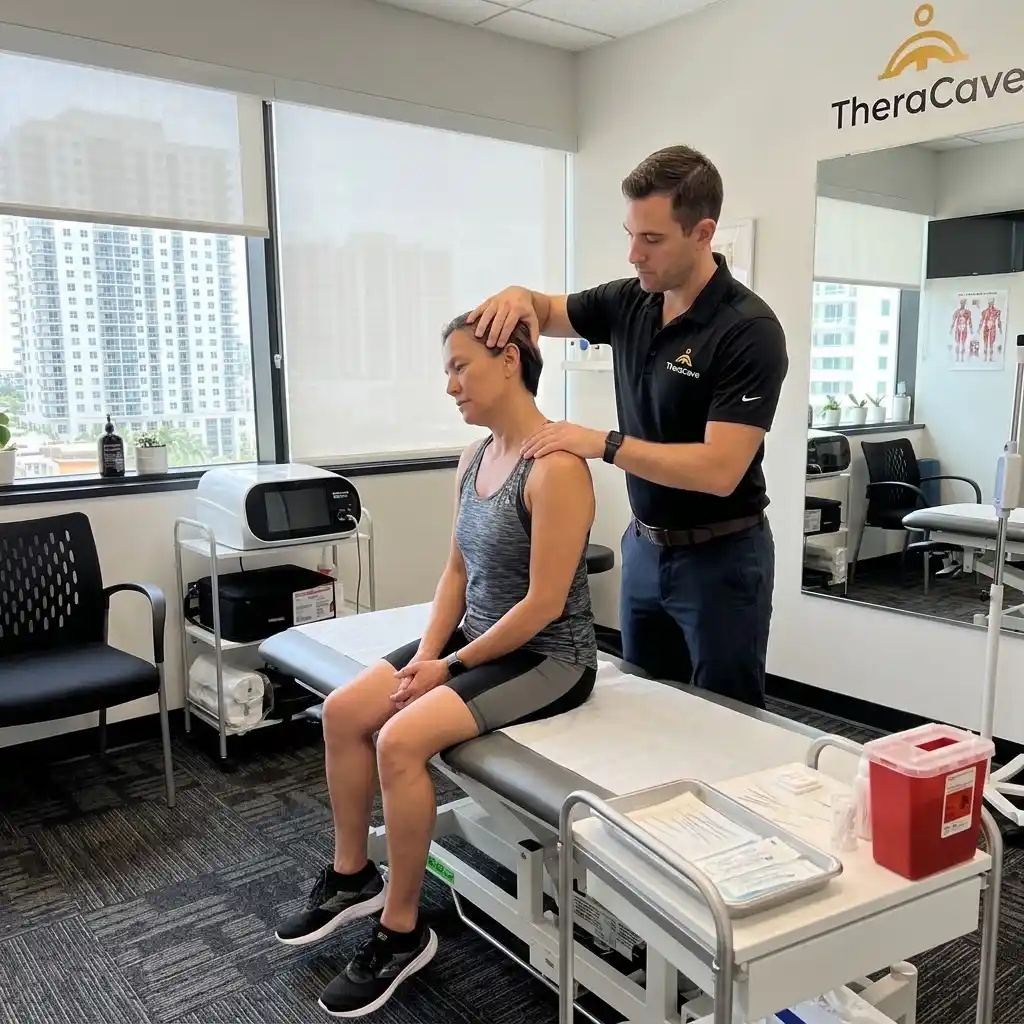
What to Expect During a Dry Needling Session
Understanding the treatment process can help patients feel more comfortable before their first appointment.
A typical session begins with a discussion of symptoms, health history, and treatment goals. The practitioner then assesses movement and identifies appropriate treatment areas.
During dry needling, patients may feel a brief prick, pressure, or muscle twitch. Mild soreness or bruising can occur afterward, and the response varies between individuals. Your therapist should explain potential risks and aftercare before treatment.
Dry needling may not be appropriate for everyone. People with certain bleeding disorders, those taking blood-thinning medication, pregnant patients, and individuals with specific medical conditions should discuss their circumstances with a qualified clinician before treatment.
Seek medical evaluation for unexplained or worsening pain, significant weakness, numbness, or other concerning symptoms rather than assuming muscle tightness is the only cause.
Frequently Asked Questions
How many dry needling sessions are needed for muscle tightness?
The number of sessions depends on the underlying problem, symptom severity, and response to treatment. Some people notice changes after an initial session, while others benefit from a longer rehabilitation plan. Your therapist can recommend an appropriate approach after an assessment.
Is dry needling better than massage for chronic muscle tightness?
Neither treatment is universally better. Massage uses hands-on techniques to address soft tissue discomfort, while dry needling targets selected tissues with fine needles. A physical therapist can help determine which approach, or combination of approaches, is appropriate for your symptoms.
Does dry needling provide permanent relief?
Dry needling does not guarantee permanent relief. Results depend on the cause of the tightness and whether contributing factors are addressed. Therapeutic exercise and changes to aggravating movement patterns may help support longer-term improvements.
Can dry needling help with neck, shoulder, and back tightness?
It may help some people with muscular neck, shoulder, and back discomfort. However, these symptoms can have different causes, so an assessment is important before choosing treatment.
Where can I get professional dry needling in Fort Lauderdale?
TheraCave Physical Therapy offers dry needling and personalized physical therapy at 1 E Broward Blvd, Suite 700, Fort Lauderdale, FL 33301. You can contact the clinic to discuss your symptoms and arrange an appointment.
Get Professional Help for Chronic Muscle Tightness
Persistent muscle tightness can interfere with work, exercise, sleep, and everyday movement. When discomfort keeps returning, professional assessment can help identify contributing factors and determine which treatments are appropriate.
TheraCave Physical Therapy in Fort Lauderdale offers individualized care, including dry needling, manual therapy, and therapeutic exercise, to help patients work toward better mobility and reduced discomfort.
Ready to address chronic muscle tightness? Contact TheraCave to schedule an assessment and discuss whether dry needling may be suitable for your needs.