Many office professionals spend eight or more hours each day sitting at a desk. While this routine may seem harmless, prolonged sitting can contribute to tight hip flexors, muscle weakness, reduced mobility, and discomfort that affects everyday activities. Over time, these changes may lead to hip pain, lower back discomfort, and difficulty standing, walking, or exercising comfortably.
Stretching is often the first step people try, but lasting relief usually requires more than improving flexibility alone. A comprehensive physical therapy program combines movement assessment, manual therapy, targeted stretching, strengthening exercises, and posture education to address the root causes of hip pain rather than simply relieving symptoms.
TheraCave provides individualized physical therapy for hip pain, beginning with a thorough physical evaluation to identify the source of discomfort. Every treatment plan is customized to improve mobility, reduce pain, correct movement mechanics, and help patients return to their normal activities.
Why Desk Workers Develop Tight Hip Flexors
Sitting for extended periods keeps the hip flexor muscles in a shortened position for hours at a time.
Over time, this may contribute to:
- Hip stiffness
- Reduced range of motion
- Muscle weakness
- Lower back discomfort
- Difficulty standing after prolonged sitting
- Changes in posture and walking mechanics
If these issues are ignored, the body may compensate by placing extra stress on the knees or lower back, leading to additional discomfort. TheraCave notes that untreated hip problems can contribute to compensation in surrounding areas such as the lumbar spine and knees.
Common Causes of Hip Pain in Office Workers
Not every case of hip pain is caused by tight hip flexors alone.
Prolonged Sitting
Remaining seated for long periods reduces normal hip movement and may contribute to stiffness.
Poor Movement Mechanics
Improper posture and inefficient movement patterns can increase stress on the hip joint over time.
Muscle Imbalances
Weak gluteal and core muscles often place additional demands on the hip flexors during everyday activities.
Overuse After Inactivity
Returning to exercise too quickly after long periods of sitting may overload muscles and tendons that are no longer conditioned for activity. Hip pain can also stem from arthritis, bursitis, tendonitis, labral injuries, or muscle strains, making a professional evaluation important when symptoms persist.
A Real Recovery Scenario
An accountant who spent most of the workday at a computer began experiencing stiffness in the front of the hip along with discomfort when standing after long meetings. Stretching found online provided only temporary relief, and the pain gradually began affecting weekend walks.
During a physical therapy evaluation, the therapist identified limited hip mobility, reduced glute strength, and movement patterns contributing to excessive strain on the hip flexors.
The rehabilitation program included manual therapy, guided mobility exercises, progressive strengthening, and education on sitting posture and movement breaks throughout the workday. As strength and flexibility improved, the patient reported less stiffness, improved walking comfort, and easier transitions from sitting to standing.
Physical Therapy Techniques That Support Hip Flexor Recovery
Every rehabilitation program is personalized, but several evidence-based approaches are commonly used.
Manual Therapy
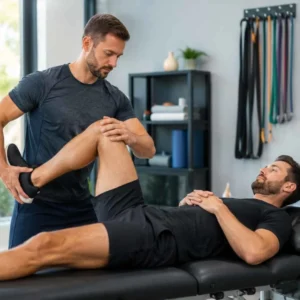
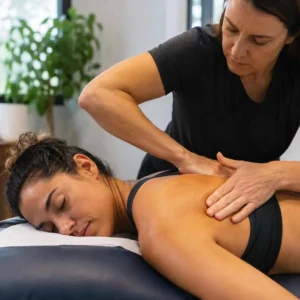
Hands-on treatment helps improve joint mobility, reduce soft tissue restrictions, and restore more comfortable movement.
Mobility Exercises
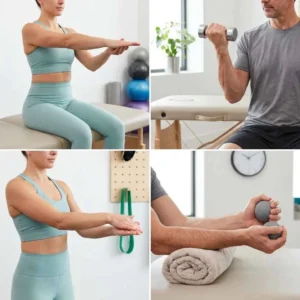
Controlled stretching improves flexibility while respecting the body’s healing process and current mobility level.
Progressive Strengthening
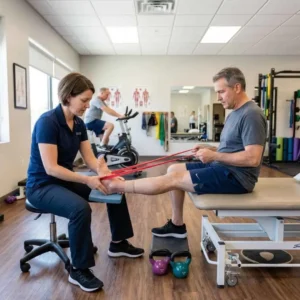
As flexibility improves, strengthening the hips, glutes, and core helps provide better support for the pelvis and reduces unnecessary strain on the hip flexors.
TheraCave develops individualized treatment plans that combine pain management, movement correction, and strengthening based on each patient’s evaluation and goals.
Why Stretching Alone Isn’t Enough
Stretching can temporarily reduce muscle tightness, but it doesn’t always address the underlying reason the hip flexors became overworked.
Long-term improvement often depends on:
- Improving posture
- Restoring hip mobility
- Strengthening supporting muscles
- Correcting movement mechanics
- Building better workplace habits
A personalized rehabilitation program addresses all of these factors together rather than relying on one exercise or stretch.
When to Seek Professional Care
If hip discomfort continues despite stretching, professional evaluation is recommended, especially when:
- Pain lasts longer than a few days
- Walking becomes uncomfortable
- Climbing stairs causes pain
- Symptoms worsen with activity
- Stiffness limits daily movement
Early physical therapy can help identify the underlying cause and prevent long-term mobility limitations.
Healthy Habits for Desk Workers
Along with physical therapy, daily habits can support healthier hips:
- Stand up and move every 30–60 minutes
- Alternate between sitting and standing when possible
- Maintain an ergonomic workstation
- Stay physically active outside of work
- Follow a personalized home exercise program
These simple changes help reduce prolonged stress on the hips while supporting long-term mobility.
Why Choose TheraCave?
TheraCave provides one-on-one physical therapy with licensed Doctors of Physical Therapy in Fort Lauderdale. Every treatment session is individualized, and the clinic combines thorough evaluations with evidence-based rehabilitation, manual therapy, and advanced treatment options to help patients recover from hip pain, improve movement, and return to work, exercise, and everyday life with confidence.
Conclusion
For desk workers, tight hip flexors are often the result of prolonged sitting combined with muscle weakness and reduced mobility. While stretching can provide temporary relief, lasting improvement usually requires a personalized rehabilitation plan that restores flexibility, strengthens the muscles supporting the hips, and improves movement patterns.
Call to Action
If persistent hip stiffness or pain is affecting your comfort at work or during daily activities, working with an experienced physical therapist can help you regain mobility, improve function, and prevent recurring problems. Contact us today!