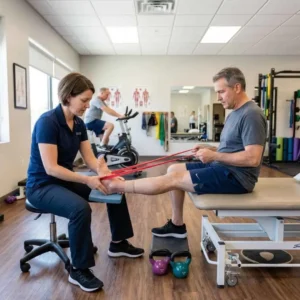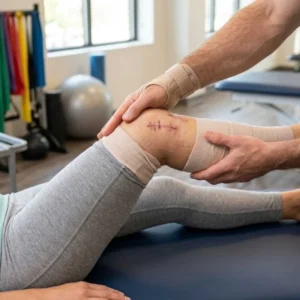
The wrist is involved in nearly every daily activity, from typing and driving to lifting groceries and playing sports. After an injury, even simple movements can become painful or restricted. Stiffness often develops as the body heals, making it difficult to regain full motion without proper rehabilitation. Physical therapy plays a vital role in restoring wrist flexibility, reducing pain, and helping patients safely return to work, sports, and everyday life.
Rather than focusing only on symptoms, physical therapy identifies the underlying cause of limited mobility and develops a personalized treatment plan. At TheraCave, every patient receives one-on-one care from a licensed Doctor of Physical Therapy, with treatment plans tailored to their condition and recovery goals. Advanced techniques such as manual therapy, therapeutic exercise, dry needling, shockwave therapy, and movement analysis are used when appropriate to help restore function.
Why Wrist Flexibility Matters After an Injury
Following a sprain, fracture, tendon injury, or surgery, the wrist often becomes stiff due to inflammation, scar tissue, and reduced movement.
Improving flexibility helps patients:
- Restore normal range of motion
- Reduce pain during movement
- Improve grip strength
- Perform daily activities more comfortably
- Return safely to sports or work
- Prevent long-term joint stiffness
Recovering flexibility early, under professional guidance, can improve overall outcomes and reduce the likelihood of chronic limitations.
Common Wrist Injuries That Benefit from Physical Therapy
Many conditions respond well to individualized rehabilitation.
Wrist Sprains
Ligament injuries often cause swelling and restricted movement that require progressive mobility exercises.
Tendon Injuries
Overuse or acute tendon injuries can limit flexibility and require carefully monitored rehabilitation.
Post-Surgical Recovery
After wrist surgery, structured therapy helps restore motion while protecting healing tissues.
Carpal Tunnel Syndrome
Compression of the median nerve may cause pain, numbness, weakness, and reduced wrist function. Physical therapy can help relieve symptoms and improve hand mechanics through individualized treatment.
A Real Recovery Scenario
A recreational tennis player experienced a moderate wrist sprain after a fall. Several weeks later, pain had improved, but stiffness prevented a full return to normal activities.
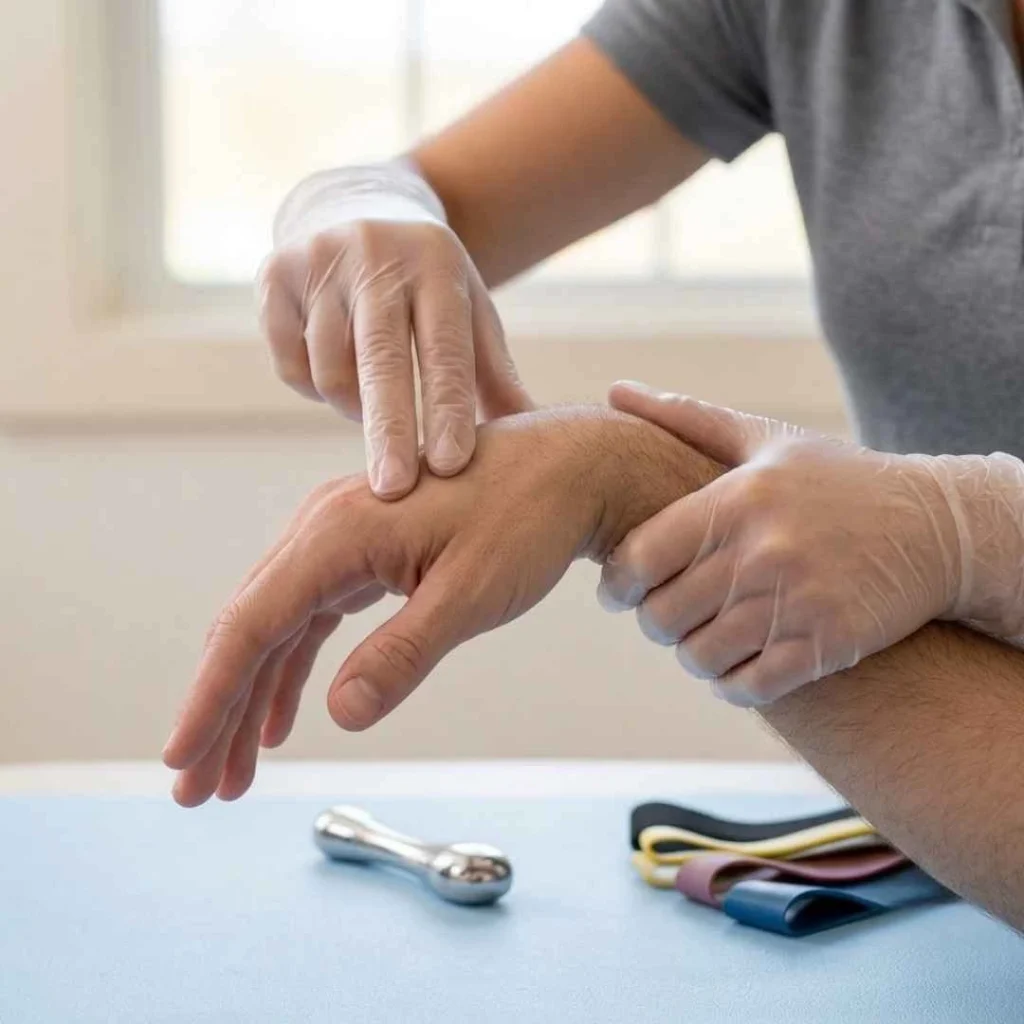
During the initial evaluation, the physical therapist identified reduced joint mobility, muscle tightness, and weakness that were limiting wrist motion. A personalized rehabilitation plan combined hands-on manual therapy, progressive stretching, strengthening exercises, and movement retraining.
Over several weeks, the patient gradually regained wrist flexibility, improved grip strength, and safely returned to recreational sports with greater confidence.
Physical Therapy Techniques That Improve Wrist Flexibility
Every rehabilitation program is customized, but several evidence-based techniques are commonly used.
Manual Therapy
Hands-on joint mobilization and soft tissue techniques help reduce stiffness, improve joint mobility, and restore normal movement patterns.
Therapeutic Exercise
Gentle mobility exercises gradually improve flexibility while protecting healing tissues before progressing to strengthening and functional movement.
Movement Assessment
Therapists evaluate how the wrist, hand, elbow, and shoulder work together to identify movement limitations that may contribute to pain or delayed recovery.
TheraCave emphasizes one-on-one treatment sessions with licensed physical therapists who develop individualized rehabilitation programs based on each patient’s condition, goals, and movement assessment.
Advanced Treatments May Support Recovery
Some patients benefit from additional treatment options alongside exercise.
Depending on the diagnosis, a therapist may incorporate:
- Dry needling for muscle tightness
- Shockwave therapy for chronic tendon conditions
- Myofascial release
- Kinesiology taping
- Patient education on movement mechanics
These techniques are selected based on the patient’s evaluation rather than applied as routine treatments. TheraCave offers advanced modalities, including dry needling, shockwave therapy, musculoskeletal ultrasound, and manual therapy, when clinically appropriate.
Why Professional Guidance Matters
Trying to force wrist movement too early or performing the wrong exercises can delay healing.
A licensed physical therapist helps by:
- Monitoring healing progress
- Adjusting exercises safely
- Preventing compensatory movement patterns
- Progressing treatment at the right pace
- Addressing the underlying cause of stiffness
This individualized approach promotes a safer and more effective recovery than relying solely on unsupervised home exercises.
Recovery Is About More Than Flexibility
Successful rehabilitation also focuses on:
- Restoring strength
- Improving coordination
- Enhancing stability
- Preventing reinjury
- Returning to work or sport safely
TheraCave builds personalized treatment plans around each patient’s goals, whether they are recovering from surgery, returning to athletics, or managing everyday wrist pain. Every visit is conducted one-on-one with a licensed physical therapist to ensure individualized care throughout the recovery process.
Why Choose TheraCave?
TheraCave provides evidence-based physical therapy in Fort Lauderdale with a patient-centered approach. Rather than rotating patients between assistants, every session is delivered by a licensed Doctor of Physical Therapy. The clinic combines individualized rehabilitation with advanced treatment options to help patients recover from sports injuries, post-surgical conditions, repetitive strain injuries, and other musculoskeletal disorders.
Conclusion
Recovering from a wrist injury takes more than rest alone. A structured physical therapy program helps restore flexibility, improve strength, reduce pain, and support a safe return to everyday activities. Through personalized assessments, hands-on treatment, and progressive rehabilitation, patients can regain confidence in their movement while reducing the risk of future injury.
Call to Action
If wrist stiffness or pain is limiting your daily life, working with an experienced physical therapist can provide the guidance and individualized care needed for a successful recovery. Contact us today!