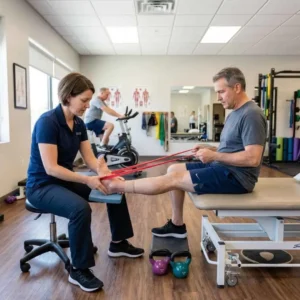
Stress headaches can affect productivity, sleep, concentration, and overall quality of life. In Fort Lauderdale, long work hours, increased screen exposure, demanding schedules, commuting, and daily stress can contribute to recurring headaches that interfere with everyday activities. While occasional headaches are common, frequent stress-related headaches may indicate underlying muscular tension, movement issues, posture habits, or lifestyle-related triggers that deserve professional attention.
Professional headache care focuses on identifying contributing factors and building a long-term strategy for relief rather than only addressing symptoms temporarily. TheraCave uses personalized physical therapy approaches designed to evaluate movement patterns, posture, and headache history to support lasting improvement.
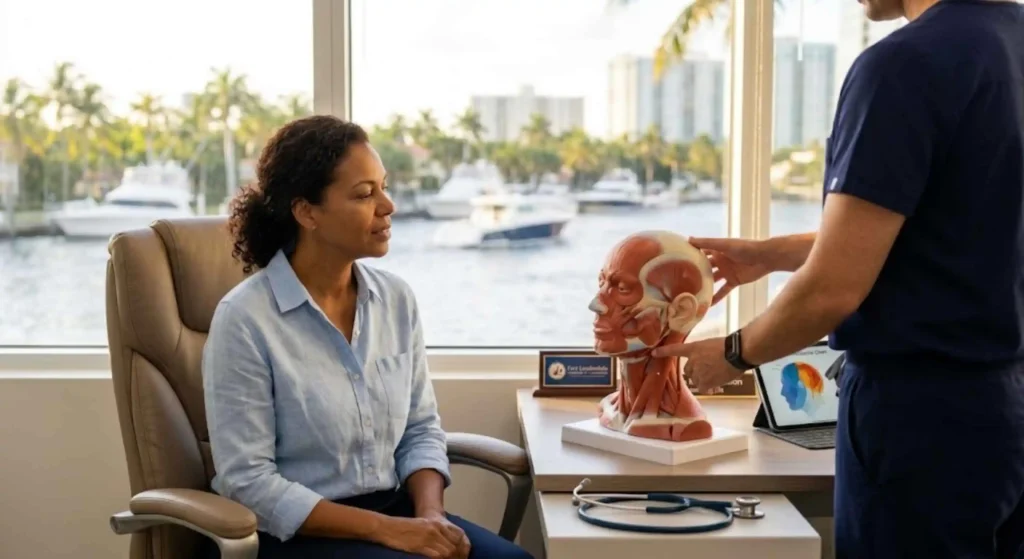
What Are Stress Headaches?
Stress headaches are commonly associated with tension-type headaches, one of the most common forms of head pain. They often feel like pressure, tightness, or a steady ache rather than intense throbbing pain. Stress, muscle tension, posture habits, and poor recovery patterns may contribute to symptoms.
People often describe stress headaches as:
- Tightness around the forehead
- Pressure across both sides of the head
- Neck and shoulder stiffness
- Mental fatigue or difficulty concentrating
- Mild to moderate head discomfort
TheraCave also notes that headaches may be associated with posture, movement patterns, stress, sleep quality, dehydration, and screen-related strain.
Common Causes of Stress Headaches in Fort Lauderdale
Several everyday factors may contribute to recurring headaches.
Muscle Tension and Posture
Extended sitting, desk work, and screen use may increase strain across the neck and upper body.
Stress and Anxiety
Emotional stress can trigger tension-type headaches and contribute to recurring discomfort patterns.
Sleep and Recovery Habits
Insufficient sleep and inconsistent routines may increase headache frequency.
Neck and Movement Restrictions
Headaches sometimes occur alongside neck tension and reduced mobility.
TheraCave’s treatment approach includes evaluating posture, movement quality, and musculoskeletal factors that may contribute to symptoms.
Job Story: Finding Relief from Recurring Stress Headaches
A working professional in Fort Lauderdale began experiencing headaches several times per week.
At first, symptoms appeared during stressful periods and after extended screen use. Over time, headaches became more frequent and started affecting focus and daily performance.
The care plan focused on:
- Comprehensive assessment
- Reviewing headache history
- Evaluating posture and movement
- Addressing muscular tension
- Supporting stress management strategies
After consistent treatment and routine adjustments, the client reported fewer recurring headaches and improved day-to-day comfort.
This example reflects how recurring stress headaches often benefit from addressing contributing habits and movement patterns rather than only temporary symptom management.
Why Professional Headache Care Matters
Recurring headaches can involve multiple overlapping triggers.
Detailed Assessment
TheraCave begins with evaluation of posture, movement patterns, and headache history to identify possible contributors.
Personalized Treatment Plan
Treatment strategies focus on reducing tension, restoring mobility, and lowering headache frequency over time.
Stress Management Support
TheraCave incorporates supportive techniques including breathing, movement, and relaxation methods as part of care planning.
Ongoing Progress Monitoring
Programs are adjusted as symptoms improve to support long-term outcomes.
Daily Habits That May Support Fewer Stress Headaches
Professional care often works alongside supportive routines.
Examples include:
- Improving workstation setup
- Taking movement breaks
- Staying hydrated
- Building healthier sleep habits
- Managing daily stress exposure
- Limiting prolonged static posture
These habits may support overall wellness but should not replace professional evaluation.
Frequently Asked Questions
Can stress really cause headaches?
Yes. Stress is commonly associated with tension-type headaches and may also trigger migraines in some individuals.
What do stress headaches feel like?
Many people describe pressure, tightness, or a dull ache around the head, forehead, temples, neck, or shoulders.
Can physical therapy help headaches?
Physical therapy may help certain headaches by addressing posture, movement limitations, and muscular tension.
When should recurring headaches be evaluated?
Headaches that become frequent, change suddenly, or interfere with normal activities should be discussed with a licensed healthcare professional.

Call to Action
Recurring stress headaches can affect work, energy, and daily routines. Identifying contributing factors and creating a personalized care plan may help reduce frequency and improve quality of life.
Contact TheraCave today to schedule a consultation and learn more about individualized headache treatment and physical therapy support in Fort Lauderdale.