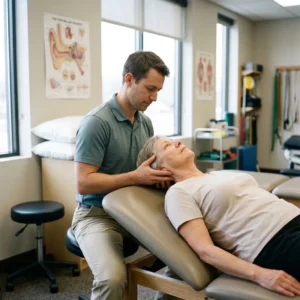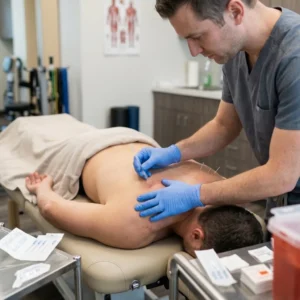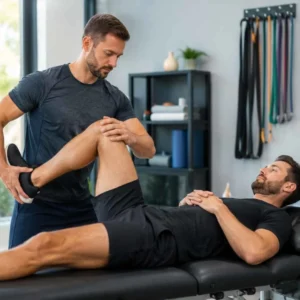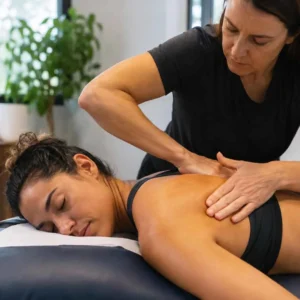
Fort Lauderdale residents enjoy an active lifestyle, from walking along the beach and exercising outdoors to participating in recreational sports. However, persistent heel pain, tendon injuries, and joint discomfort can make everyday activities difficult. Florida’s year-round outdoor lifestyle means many people want to remain physically active, but chronic musculoskeletal conditions can interfere with their routines. ESWT Shockwave Therapy offers a non-invasive treatment option that helps stimulate the body’s natural healing processes and reduce persistent pain. At TheraCave Physical Therapy in Fort Lauderdale, patients can explore advanced shockwave treatment as part of a personalized rehabilitation approach designed to improve mobility and support long-term recovery.
What Is ESWT Shockwave Therapy?
Extracorporeal Shockwave Therapy (ESWT) is a non-invasive treatment that uses acoustic pressure waves to stimulate healing in targeted areas of the body. Originally developed for treating kidney stones, this technology has become an important option in musculoskeletal rehabilitation.
Unlike treatments that only temporarily address discomfort, ESWT aims to stimulate biological responses within injured tissues. The acoustic waves encourage cellular repair, improve local blood circulation, and support tissue regeneration.
At TheraCave, ESWT is used as an advanced treatment option for conditions involving persistent tendon and soft tissue problems. It can be particularly beneficial for individuals who have not experienced sufficient improvement with conventional conservative treatments.
How Does ESWT Shockwave Therapy Work?
ESWT works by delivering controlled acoustic waves into a specific area of the body using specialized medical equipment. These waves penetrate targeted tissues and stimulate biological responses associated with the body’s natural healing mechanisms.
Stimulating Natural Tissue Repair
The acoustic waves create controlled mechanical stimulation within the affected tissues. This process encourages cellular activity and can support tissue regeneration. The treatment may also promote neovascularization, which refers to the formation of new blood vessels that help improve blood supply to injured areas.
Improving Blood Circulation
Healthy circulation is important for delivering oxygen and nutrients to damaged tissues. ESWT stimulates local biological responses that can encourage improved blood flow, supporting the body’s recovery process.
Reducing Persistent Pain
Chronic tendon and soft tissue conditions can cause discomfort that interferes with walking, exercising, and working. ESWT may help reduce pain by influencing pain-related mechanisms and supporting tissue recovery.
What Conditions Can ESWT Treat?
ESWT is commonly used in physical therapy for several musculoskeletal conditions. The suitability of treatment depends on the patient’s diagnosis, symptoms, and overall health.
Plantar Fasciitis
Plantar fasciitis causes pain around the heel and bottom of the foot, particularly during the first steps in the morning or after prolonged rest. It can make walking and standing uncomfortable. ESWT may stimulate healing in the affected plantar fascia and help reduce persistent heel pain.
Achilles Tendinopathy
The Achilles tendon connects the calf muscles to the heel bone and plays an important role in walking, running, and jumping. Repetitive strain can contribute to tendon irritation and degeneration. ESWT may support tendon healing and improve functional movement.
Tennis Elbow
Tennis elbow, also known as lateral epicondylitis, causes pain around the outer elbow due to problems involving the associated tendons. Even everyday activities such as lifting objects, gripping tools, or carrying groceries can become uncomfortable. ESWT can help stimulate tissue repair and reduce symptoms.
Calcific Tendinitis of the Shoulder
Calcium deposits within shoulder tendons can contribute to inflammation, pain, and restricted movement. Certain ESWT protocols can help break down these deposits and improve symptoms in appropriately selected patients.
Chronic Pelvic Pain Syndrome
ESWT has also been used for certain cases of chronic pelvic pain syndrome in men and women. Depending on the diagnosis and individual circumstances, treatment may help address discomfort and improve quality of life.
A Common Patient Scenario: Returning to Comfortable Walking
Consider a Fort Lauderdale resident who enjoys daily walks but begins experiencing persistent heel pain. Initially, the discomfort appears only in the morning. Over time, however, standing at work, walking through shopping centers, and participating in outdoor activities become increasingly difficult.
After trying basic rest and other conservative approaches without sufficient improvement, the individual seeks professional physical therapy.
A physical therapist evaluates the symptoms, movement patterns, and affected tissues to determine whether plantar fasciitis is contributing to the problem. Following an appropriate assessment, ESWT may be included in a personalized treatment plan.
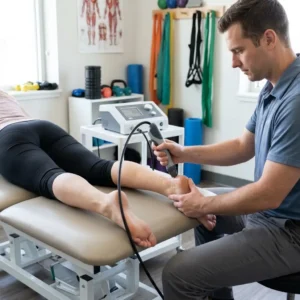
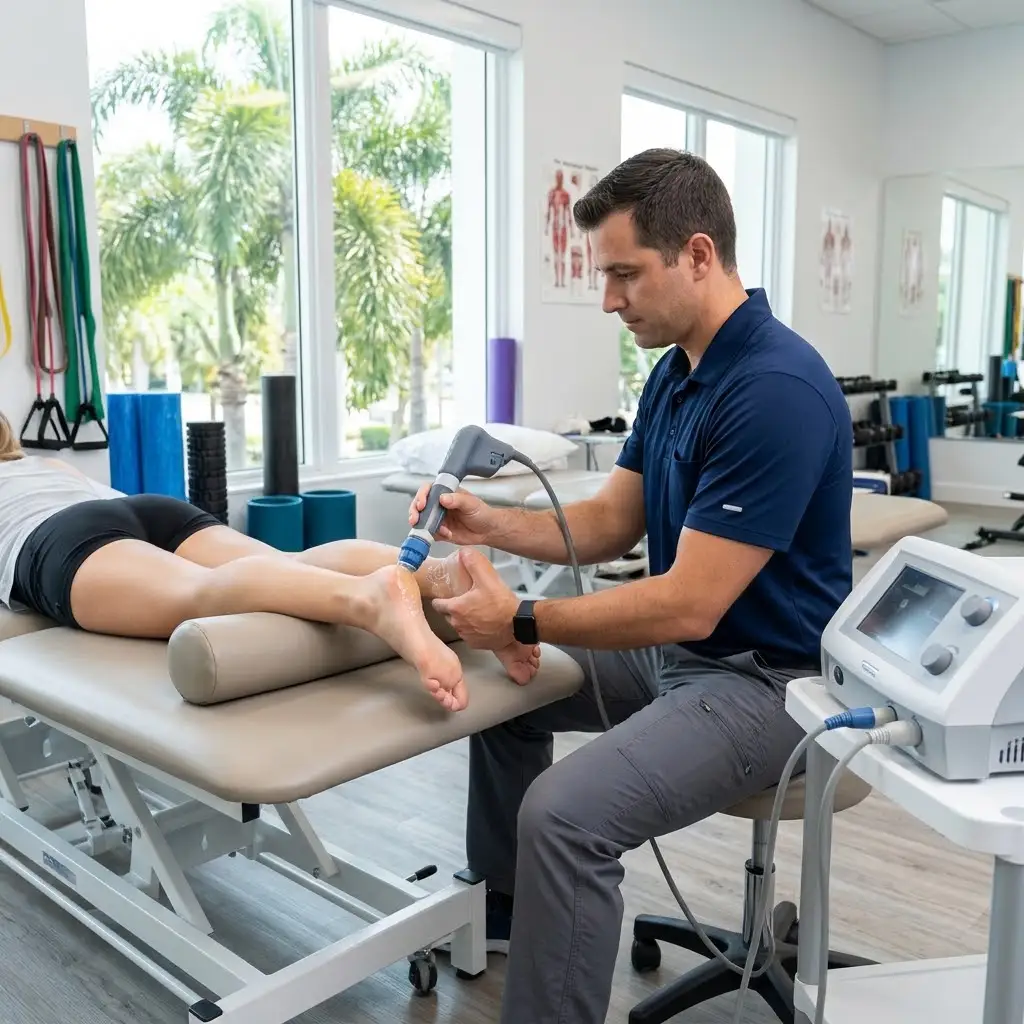
During treatment, a specialized device delivers controlled acoustic waves to the targeted area. The therapist adjusts the treatment according to the patient’s condition and tolerance. ESWT may also be combined with appropriate exercises and other rehabilitation techniques.
Over a course of treatment, the goal is to reduce discomfort, support tissue healing, and help the patient gradually return to comfortable walking.
This scenario illustrates how professional ESWT treatment may fit into rehabilitation. Individual outcomes vary, and no particular recovery result can be guaranteed.
Why Professional ESWT Treatment Matters
Although shockwave technology may appear straightforward, effective treatment requires clinical knowledge, specialized equipment, and an accurate understanding of musculoskeletal conditions.
Accurate Assessment and Treatment Targeting
Different conditions can produce similar symptoms. Heel pain, for example, may involve plantar fasciitis, nerve irritation, or another underlying problem. A qualified physical therapist evaluates the affected area before deciding whether ESWT is appropriate.
Specialized Equipment and Treatment Settings
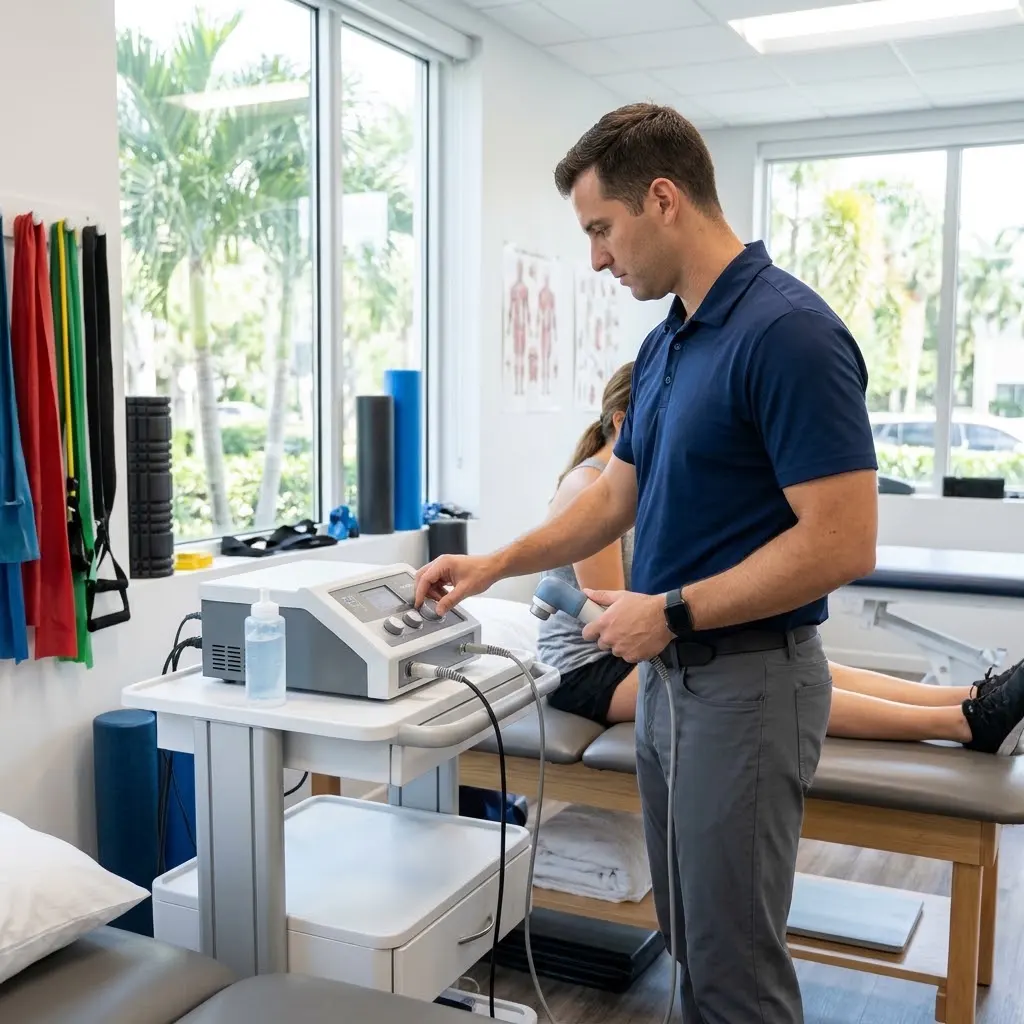
Professional ESWT equipment delivers controlled acoustic energy at specific settings. Treatment parameters must be selected according to the condition, tissue involved, and individual tolerance. Incorrect application or unsuitable treatment settings may cause unnecessary discomfort or ineffective results.
Personalized Rehabilitation
ESWT is not a universal solution for every type of pain. Some patients benefit from combining shockwave treatment with therapeutic exercises, manual therapy, or other rehabilitation approaches. Professional guidance helps determine which combination is appropriate.
Attempting to purchase or operate shockwave equipment without clinical training is not a substitute for professional treatment. Incorrect targeting and inappropriate energy settings can create unnecessary risks.
At TheraCave, the process begins with a complimentary consultation, followed by an evaluation and development of a personalized treatment plan. This approach helps ensure that therapy addresses the patient’s individual rehabilitation needs.
What Should You Expect During an ESWT Session?
ESWT is generally well tolerated, although some patients experience temporary discomfort during treatment. A typical session takes approximately 15 to 30 minutes, depending on the condition and treatment protocol.
Most patients require a series of sessions, commonly around three to six, although the recommended number varies. Mild soreness, tenderness, redness, swelling, or bruising may occur after treatment and usually resolves without significant intervention.
Many patients can return to their usual activities immediately, but activity recommendations should be based on the treated condition and the physical therapist’s instructions.
ESWT is not appropriate for everyone. A professional assessment is important, particularly for individuals with certain medical conditions, circulation problems, bleeding risks, or other contraindications.
Why Choose TheraCave for ESWT Shockwave Therapy in Fort Lauderdale?
Choosing the right physical therapy provider is important when dealing with persistent pain and mobility limitations. TheraCave provides advanced physical therapy services with an emphasis on individualized care and evidence-informed rehabilitation.
The clinic serves Fort Lauderdale and surrounding Broward County communities, including Davie, Plantation, Sunrise, Tamarac, Hollywood, and Pembroke Pines.
Patients benefit from a treatment process that includes an initial consultation, an evaluation of their individual needs, and a personalized rehabilitation program. ESWT can also be integrated with other physical therapy services when clinically appropriate.
With professional guidance and advanced treatment options, TheraCave helps patients work toward improved movement, reduced discomfort, and better everyday function.
Frequently Asked Questions
1. Is ESWT Shockwave Therapy painful?
Most patients tolerate ESWT well. Some experience mild discomfort during treatment, depending on the sensitivity of the affected area and the treatment settings.
2. How many ESWT sessions are usually required?
Many patients receive approximately three to six sessions. However, the recommended treatment schedule depends on the condition, its severity, and individual response.
3. How long does a shockwave therapy session take?
A typical ESWT session lasts approximately 15 to 30 minutes. The exact duration depends on the treatment area and clinical protocol.
4. Can ESWT treat plantar fasciitis?
Yes. ESWT is commonly used for persistent plantar fasciitis because it can stimulate tissue repair and help reduce chronic heel pain in appropriate patients.
5. Can ESWT be combined with physical therapy?
Yes. Shockwave treatment may be combined with therapeutic exercises, manual therapy, and other rehabilitation methods to support recovery and improve functional outcomes.
Schedule Your ESWT Consultation in Fort Lauderdale
Persistent pain should not prevent you from enjoying everyday activities. If heel pain, tendon problems, or other chronic musculoskeletal conditions are affecting your mobility, professional treatment may help you move toward recovery.
TheraCave offers advanced ESWT Shockwave Therapy in Fort Lauderdale as part of a personalized physical therapy approach. Contact the clinic to discuss your symptoms, arrange an initial consultation, and determine whether shockwave treatment is appropriate for your needs.
Call (954) 284-0716 or visit TheraCave at 1 E Broward Blvd, Suite 700, Fort Lauderdale, FL 33301, to schedule your consultation.