Headaches vs. migraines are often treated as if they are the same condition, but they are not. Many people in Fort Lauderdale describe recurring head pain as a “migraine” when the symptoms may actually fit another type of headache. Understanding the difference matters because treatment strategies, triggers, and long-term management approaches can vary significantly.
Busy schedules, screen exposure, stress, posture habits, lack of sleep, and daily tension may all contribute to recurring headaches and migraine episodes. Identifying patterns and receiving individualized care may help improve comfort and reduce disruption to everyday life.
What Is a Headache?
Headaches are one of the most common pain conditions and may appear in several forms.
Symptoms often include:
- Dull, aching discomfort
- Pressure around the forehead, temples, or eyes
- Neck or shoulder tightness
- Difficulty concentrating
- Sensitivity to light or sound in some cases
Headaches may be associated with stress, dehydration, poor sleep, posture changes, screen strain, or muscular tension.
What Is a Migraine?
A migraine is more than a severe headache.
Migraines are considered a neurological condition and often involve additional symptoms beyond head pain.
Common migraine symptoms may include:
- Throbbing or pulsing pain
- Pain commonly concentrated on one side
- Nausea or stomach discomfort
- Sensitivity to light, sound, or smells
- Fatigue or dizziness
- Difficulty thinking clearly
- Visual disturbances in some individuals
Migraine episodes may last from several hours to multiple days if untreated.
Headaches vs Migraines: Key Differences
Pain Pattern
Headaches commonly feel like pressure or tightness.
Migraines more often involve throbbing or pulsating pain.
Associated Symptoms
Headaches may involve tension and discomfort.
Migraines frequently include additional neurological symptoms such as nausea and sensory sensitivity.
Trigger Factors
Headaches may be linked to:
- Stress
- Dehydration
- Sleep changes
- Screen exposure
- Muscle tension
Migraines may also involve:
- Hormonal changes
- Dietary triggers
- sensory overload
- neurological sensitivity patterns
Job Story: Understanding the Difference Between Headaches vs Migraines in Fort Lauderdale
A professional working in Fort Lauderdale experienced recurring head pain several times each month.
Initially, all episodes were assumed to be migraines.
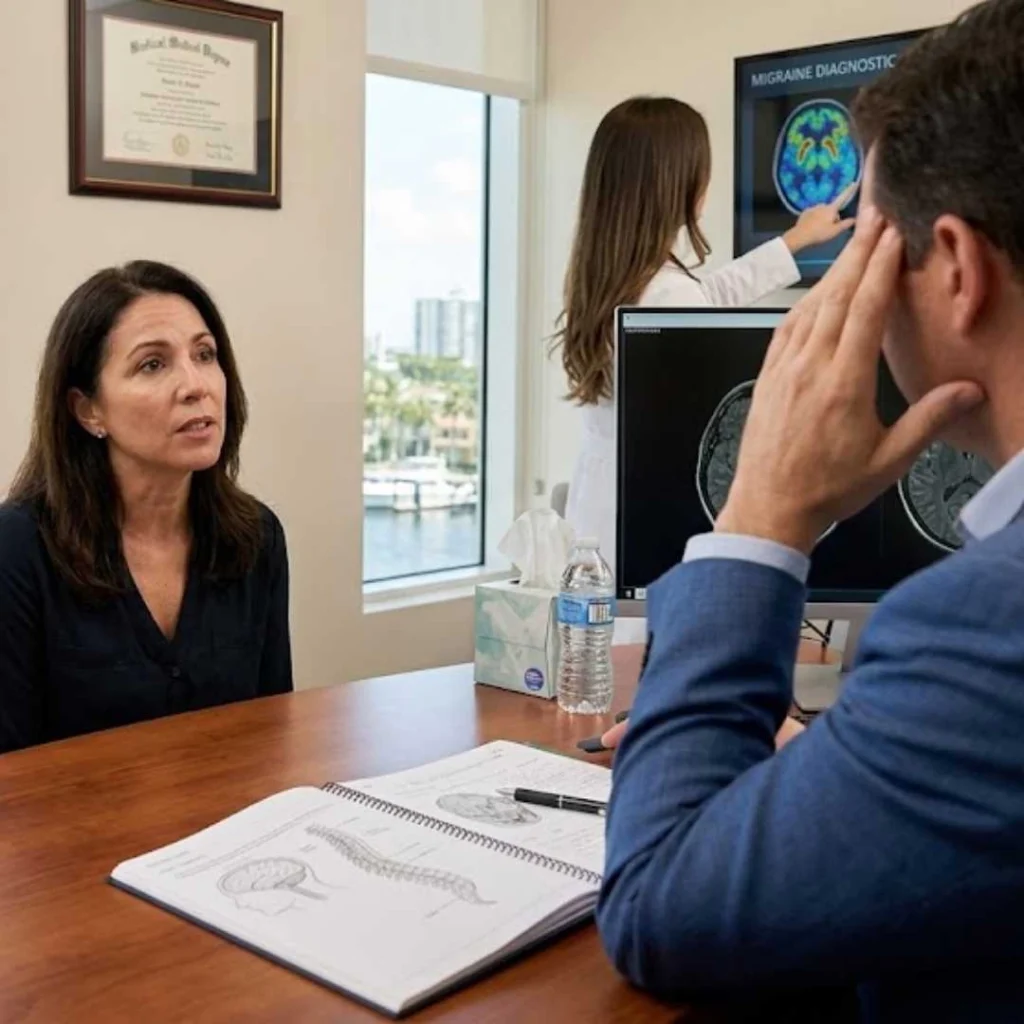
After assessment and reviewing symptom history, patterns suggested that muscular tension and posture habits were contributing factors alongside occasional migraine-like episodes.
The care plan included:
- Detailed symptom evaluation
- Movement and posture assessment
- Trigger identification
- Personalized therapy strategies
- Ongoing progress monitoring
Over time, understanding symptom patterns helped improve management decisions and reduce disruption to daily routines.
This illustrates why recurring head pain benefits from evaluation rather than assumptions.
Why Professional Assessment Matters
Different headache types often require different approaches.
Comprehensive Evaluation
TheraCave evaluates posture, movement patterns, muscular tension, and headache history to better understand contributing factors.
Personalized Treatment Planning
Care plans may focus on:
- Reducing trigger exposure
- Improving posture
- Supporting mobility
- Managing muscular tension
TheraCave emphasizes individualized treatment rather than one-size-fits-all care.
Physical Therapy Support
Physical therapy may help certain Headaches vs Migraines presentations when musculoskeletal contributors are involved.
Daily Habits That May Support Fewer Episodes
Professional care may work alongside supportive routines in Headaches vs Migraines such as:
- Maintaining regular sleep patterns
- Staying hydrated
- Limiting prolonged screen time
- Taking movement breaks
- Monitoring headache triggers
- Managing daily stress levels
These habits support overall wellness but do not replace professional medical evaluation.
Frequently Asked Questions
Are migraines just severe headaches?
No. Migraines are considered a neurological condition and often include symptoms beyond pain.
Can physical therapy help headaches and migraines?
Physical therapy may help some individuals by addressing posture, movement limitations, and muscular tension.
How do I know if I have migraines?
Diagnosis should come from a licensed healthcare professional after reviewing symptoms and medical history.
When should recurring headaches be evaluated?
Headaches that become frequent, severe, unusual, or disruptive should be evaluated by a healthcare professional.
Call to Action
Recurring headaches and migraines can affect concentration, work, sleep, and quality of life. Understanding what type of symptoms you are experiencing is an important step toward finding an effective treatment approach.
Contact TheraCave today to schedule a consultation and learn more about personalized headache and migraine care in Fort Lauderdale.