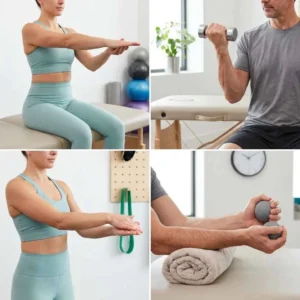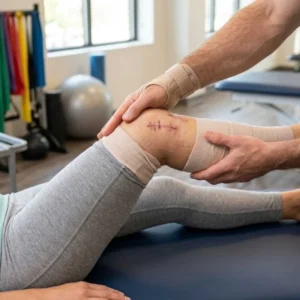
Low back pain is one of the most common musculoskeletal conditions affecting adults. Whether it develops after lifting something heavy, sitting at a desk for long hours, or participating in sports, lumbar pain can make everyday activities difficult. Stiffness, muscle weakness, and reduced flexibility often work together, limiting movement and increasing the likelihood of recurring discomfort.
Although stretching can be an important part of recovery, lasting improvement usually requires more than performing a few exercises at home. A comprehensive physical therapy program combines movement assessment, targeted mobility work, strengthening, posture correction, and education to address the root cause of low back pain rather than simply masking symptoms.
TheraCave provides individualized physical therapy programs designed to reduce pain, improve mobility, restore lumbar strength, and help patients safely return to work, sports, and daily activities. Every treatment plan begins with a thorough physical evaluation and is tailored to the patient’s condition and goals.
Why Lumbar Strength Matters
The lumbar spine depends on surrounding muscles for support and stability.
When these muscles become weak or tight, patients may experience:
- Persistent aching in the lower back
- Reduced flexibility
- Muscle spasms
- Pain during bending or lifting
- Difficulty standing or sitting for extended periods
- Recurring episodes of back pain
Improving flexibility and strengthening the muscles that support the spine helps reduce stress on the lower back while improving everyday movement. Physical therapy commonly focuses on strengthening the core and improving mobility as part of long-term recovery.
Common Causes of Low Back Pain
Many cases of lumbar pain develop gradually rather than from a single injury.
Poor Posture
Extended periods of sitting or standing with poor posture place additional stress on the lower back.
Weak Core Muscles
Insufficient support from the abdominal and trunk muscles can increase strain on the lumbar spine.
Improper Lifting
Incorrect lifting mechanics frequently lead to muscle strain and soft tissue injuries.
Sedentary Lifestyle
Limited movement often contributes to stiffness, reduced flexibility, and weakened muscles that support the spine. These are among the most common contributors to mechanical low back pain identified by TheraCave.
A Real Recovery Scenario
An office professional began experiencing persistent lower back stiffness after spending years working at a computer. While stretching at home offered temporary relief, the pain continued returning and eventually made daily activities uncomfortable.
During a comprehensive evaluation, the physical therapist identified limited lumbar mobility, poor posture, reduced core strength, and movement patterns contributing to ongoing symptoms.
The treatment plan combined manual therapy, guided mobility exercises, progressive strengthening, posture education, and a personalized home program. Over several weeks, the patient regained flexibility, improved lumbar stability, and returned to normal activities with significantly less discomfort.
Physical Therapy Techniques That Improve Lumbar Function
Every rehabilitation program is individualized, but several evidence-based techniques are commonly incorporated.
Manual Therapy
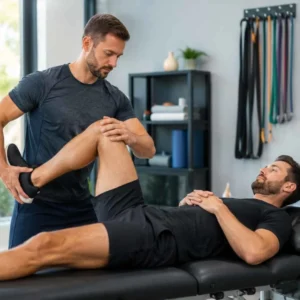
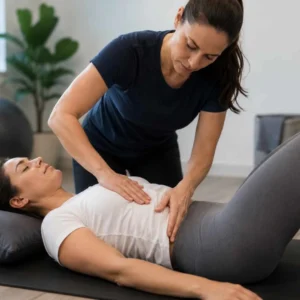
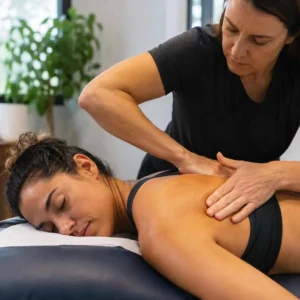
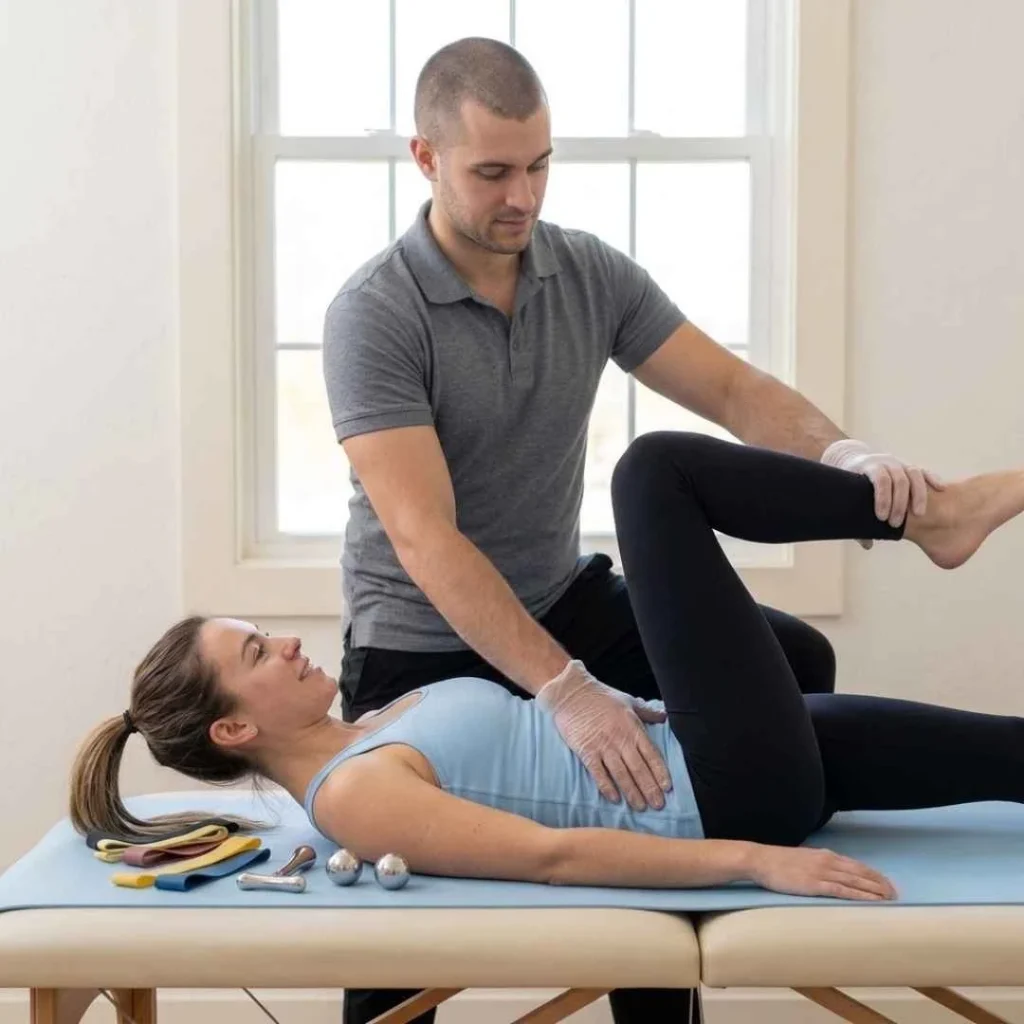
Hands-on techniques help reduce stiffness, improve joint mobility, and restore normal movement throughout the spine and surrounding soft tissues.
Guided Mobility Exercises
Controlled stretching helps improve flexibility while respecting the body’s stage of healing.
Progressive Strengthening
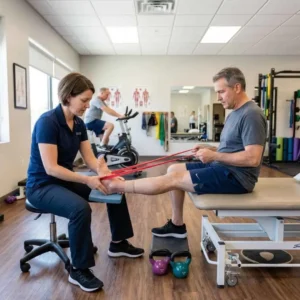
As symptoms improve, patients gradually perform exercises that strengthen the core, hips, and lumbar stabilizing muscles to better support the spine.
TheraCave develops personalized treatment plans based on a detailed physical evaluation and ongoing progress, ensuring exercises are appropriate for each patient’s diagnosis and recovery stage.
Why One Stretch Doesn’t Work for Everyone
Many online exercise programs recommend the same stretches for every person with back pain.
However, successful rehabilitation depends on factors such as:
- The underlying cause of pain
- Current mobility
- Muscle imbalances
- Previous injuries
- Activity level
- Personal recovery goals
A personalized evaluation allows therapists to prescribe stretches and strengthening exercises that match the patient’s specific condition rather than relying on a one-size-fits-all approach.
When Professional Care Is Important
Home stretching may help mild muscle tightness, but professional evaluation is recommended if:
- Pain lasts more than several weeks
- Symptoms continue getting worse
- Pain radiates into the legs
- Numbness or tingling develops
- Daily activities become increasingly difficult
Early intervention often helps patients recover more efficiently while reducing the risk of chronic back pain.
Recovery Goes Beyond Stretching
Long-term success involves more than improving flexibility.
Effective rehabilitation also emphasizes:
- Core strengthening
- Posture correction
- Functional movement training
- Balance and coordination
- Education on body mechanics
- Strategies to prevent future flare-ups
TheraCave provides one-on-one care with licensed Doctors of Physical Therapy, using individualized rehabilitation plans and advanced treatment techniques when appropriate to help patients achieve lasting results.
Why Choose TheraCave?
TheraCave specializes in evidence-based physical therapy for low back pain, sports injuries, post-surgical rehabilitation, and other musculoskeletal conditions. Every session is conducted one-on-one with a licensed Doctor of Physical Therapy, ensuring patients receive individualized attention throughout their recovery. The clinic also offers advanced treatments such as manual therapy, dry needling, shockwave therapy, and movement analysis to support optimal outcomes.
Conclusion
Stretching is an important part of recovering from low back pain, but lasting relief comes from addressing the underlying causes of stiffness, weakness, and poor movement patterns. Through personalized physical therapy, patients can improve lumbar flexibility, strengthen the muscles that support the spine, and build healthier movement habits that reduce the risk of future pain.
Call to Action
If persistent low back pain is interfering with your work, exercise, or everyday activities, working with an experienced physical therapist can help you regain strength, confidence, and long-term mobility. Contact us today!