Shoulder pain can make everyday activities surprisingly difficult, from reaching overhead and lifting groceries to getting dressed or sleeping comfortably. For active people in Fort Lauderdale, repetitive sports movements, gym workouts, physically demanding jobs, and everyday lifting can place stress on the shoulder. Understanding Rotator Cuff Injuries is important because early attention to discomfort and proper movement habits can help prevent minor problems from becoming more serious.
The rotator cuff is a group of four muscles and their tendons that surround the shoulder joint. These structures help keep the upper arm bone stable while allowing the shoulder to move in different directions. When the tendons become irritated, inflamed, or damaged, movement can become painful and strength may decrease.
TheraCave Physical Therapy in Fort Lauderdale helps patients address shoulder conditions through personalized physical therapy. Its approach includes thorough physical evaluations, customized treatment plans, pain management strategies, and ongoing support to help patients restore movement and function.
Understanding Common Rotator Cuff Injuries
The rotator cuff plays an important role in shoulder stability and movement. Because the shoulder is involved in so many daily activities, its muscles and tendons can experience repeated stress. Some conditions develop gradually, while others happen after a sudden injury.
Here are some Rotator Cuff Injuries affecting the rotator cuff.
1. Rotator Cuff Tendonitis
Rotator cuff tendonitis occurs when one or more tendons become irritated and inflamed. It commonly develops from repetitive overhead movements, poor lifting mechanics, or increased activity without adequate preparation.
People may experience pain at the front or side of the shoulder, tenderness, weakness, and discomfort when lifting an arm. Pain may also become noticeable while sleeping on the affected side.
TheraCave explains that tendonitis can develop gradually through overuse or poor movement mechanics. Early evaluation and appropriate treatment can help address symptoms before the condition becomes more complicated.
2. Partial Rotator Cuff Tears
A partial tear occurs when a tendon is damaged but is not completely separated. It may develop through gradual wear and tear or after a sudden injury.
Symptoms can include shoulder weakness, discomfort during overhead activities, and difficulty performing movements that previously felt normal. The severity of symptoms can vary depending on the extent of the damage.
3. Full-Thickness Rotator Cuff Tears
A full-thickness tear extends through the tendon. It may happen after a fall, lifting a heavy object, or another traumatic event. Some tears also develop over time as tendon tissue gradually weakens.
People with larger tears may experience significant weakness and difficulty raising the arm. A sudden injury followed by noticeable weakness should be assessed promptly by a healthcare professional.
4. Rotator Cuff Tendinopathy
Tendinopathy describes changes in tendon structure that can develop through repeated loading and gradual tissue deterioration. It may cause persistent discomfort, reduced strength, and difficulty performing certain shoulder movements.
Although tendonitis and tendinopathy are related, they are not identical. A proper assessment for Rotator Cuff Injuries helps determine the nature of the problem and the most appropriate treatment approach.
Common Causes of Rotator Cuff Injuries
Several factors can contribute to shoulder tendon problems. Understanding these causes helps people recognize habits and activities that may increase their risk.
Repetitive overhead movements: Activities such as swimming, tennis, baseball, painting, and overhead lifting repeatedly load the shoulder tendons.
Poor posture: Rounded shoulders and poor upper-body positioning may affect shoulder mechanics and contribute to unnecessary stress during movement.
Muscle weakness or imbalance: Weakness in the shoulder and upper-back muscles can affect how the shoulder moves and stabilizes during activity.
Improper lifting techniques: Lifting heavy objects without appropriate positioning or control can place excessive stress on the shoulder.
Sudden increases in exercise intensity: Increasing workout frequency, resistance, or training volume too quickly may exceed the shoulder’s ability to adapt.
Previous shoulder problems: An injury that has not fully recovered may leave the shoulder less prepared for demanding activities.
Age-related changes can also increase the likelihood of tendon degeneration. However, people of different ages and activity levels can experience shoulder problems.
How to Prevent Rotator Cuff Injuries
Prevention begins with building healthy movement habits and managing the amount of stress placed on the shoulder. While no approach can eliminate every injury risk, consistent attention to strength, flexibility, posture, and activity levels can help support shoulder health.
Warm Up Before Exercise
Starting intense activity without preparing the shoulder can place unnecessary stress on muscles and tendons. A gradual warm-up helps prepare the upper body for movement.
Include comfortable shoulder mobility activities and light movements that match the exercise or sport you plan to perform. Avoid forcing the shoulder into painful positions.
Strengthen the Shoulder and Upper Back
The shoulder relies on several muscle groups to maintain stability. Balanced strengthening can help support proper movement and improve the shoulder’s ability to handle everyday activities.
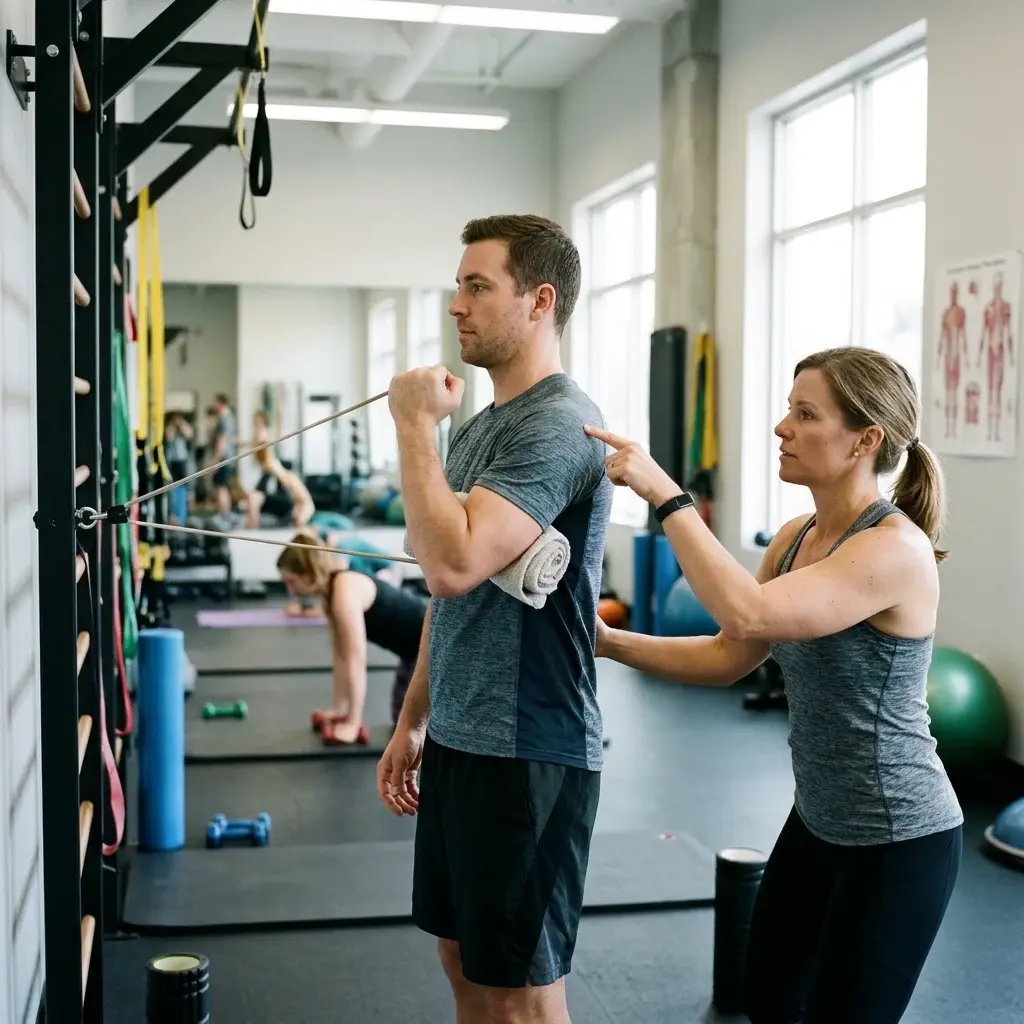
A physical therapist can recommend exercises based on individual strength, mobility, activity demands, and injury history. Exercises should be progressed gradually rather than performed through pain.
Maintain Proper Posture
Spending long hours working at a desk or using electronic devices can encourage rounded shoulders and forward-head positioning. Taking regular movement breaks and maintaining a comfortable workstation can support healthier upper-body mechanics.
During lifting and exercise, focus on controlled movements and avoid relying on momentum to move heavy objects.
Avoid Sudden Increases in Activity
One of the common mistakes people make is increasing training intensity too quickly. Suddenly adding more repetitions, heavier weights, or longer workouts can place more demand on the tendons than they are prepared to handle.
Increase activity gradually and allow adequate recovery between demanding sessions.
Use Proper Sports and Lifting Techniques
Sports involving repeated throwing, swimming, or overhead movement require good technique and appropriate conditioning. Similarly, workplace lifting should involve controlled movement and suitable positioning.
Coaches and physical therapists can help identify movement patterns that may place unnecessary strain on the shoulder.
Recognizing Early Warning Signs
Shoulder problems do not always begin with severe pain. Some people notice small changes in movement or strength before discomfort becomes persistent.
Common warning signs include:
- Pain when reaching overhead or behind the back.
- Weakness when lifting or carrying objects.
- Tenderness around the front or side of the shoulder.
- Discomfort when sleeping on the affected side.
- Reduced shoulder mobility.
- Pain that increases during repetitive activities.
These symptoms can have several possible causes, so they should not be used to diagnose a specific condition. Persistent pain, noticeable weakness, or difficulty moving the arm deserves professional assessment. Sudden weakness after an injury should be evaluated promptly.
How Physical Therapy Helps Manage Rotator Cuff Injuries
Physical therapy can play an important role in managing many shoulder tendon conditions. Treatment is based on the individual’s symptoms, physical assessment, movement limitations, and recovery goals.
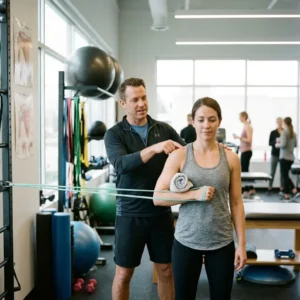
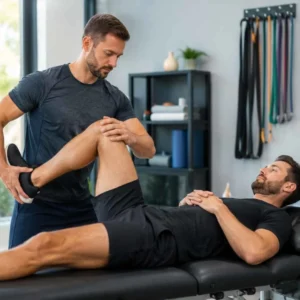
At TheraCave, the process begins with a thorough physical evaluation. This helps the therapist understand the patient’s shoulder movement, strength, discomfort, and activity-related challenges.
A personalized treatment plan may include:
- Movement assessment: Identifying mobility restrictions and movement patterns that may contribute to shoulder discomfort.
- Targeted rehabilitation: Selecting appropriate exercises to improve strength, control, and shoulder function.
- Pain management strategies: Using suitable approaches to help manage discomfort during recovery.
- Movement education: Helping patients understand activity modification and safer movement habits.
- Ongoing support: Monitoring progress and adjusting the treatment plan as the patient’s abilities improve.
TheraCave emphasizes one-on-one physical therapy with licensed Doctors of Physical Therapy, allowing treatment sessions to focus on each patient’s needs.
Why Early Treatment Matters
Ignoring shoulder discomfort can make it harder to maintain normal activity. A person may begin avoiding certain movements, lose strength, or experience increasing difficulty with everyday tasks.
Early evaluation helps identify the likely source of symptoms and determine whether rehabilitation, activity modification, or further medical assessment is appropriate.
Not every shoulder problem requires surgery. Many cases of tendon irritation and tendinopathy improve with appropriate non-surgical care. However, treatment depends on the type and severity of the condition. Larger tears and traumatic injuries may require additional medical evaluation.
TheraCave focuses on personalized rehabilitation to help patients improve shoulder mobility, manage pain, and work toward returning to their regular activities.
The Professional Advantage of TheraCave Physical Therapy
Recovering from shoulder pain requires more than following a generic exercise routine. Different conditions can produce similar symptoms, and an exercise that helps one person may not be suitable for another.
TheraCave Physical Therapy provides one-on-one care with licensed Doctors of Physical Therapy in Fort Lauderdale. Its approach includes individualized assessments and treatment plans designed around each patient’s condition and recovery goals.
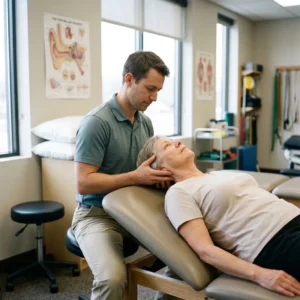
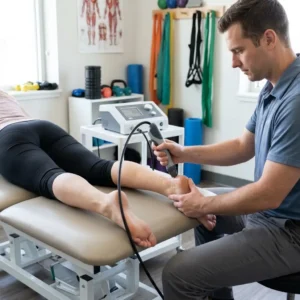
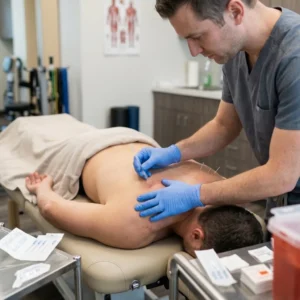
The clinic also offers sports injury rehabilitation, manual therapy, dry needling, shockwave therapy, and other physical therapy services. These options allow the team to consider different aspects of a patient’s recovery when developing an appropriate treatment plan.
For people experiencing Rotator Cuff Injuries, professional guidance can help identify movement limitations, address contributing factors, and establish a structured rehabilitation program.
Frequently Asked Questions
Can rotator cuff tendonitis improve without surgery?
Many cases of rotator cuff tendonitis improve with non-surgical treatment. Physical therapy, appropriate activity modification, and a gradual rehabilitation program can help restore shoulder function. The right approach depends on the severity and cause of the condition.
How can I reduce my risk of shoulder tendon injuries?
Maintain balanced shoulder and upper-back strength, warm up before exercise, use proper lifting techniques, and avoid sudden increases in workout intensity. Pay attention to discomfort instead of repeatedly pushing through painful movements.
Should I exercise if my shoulder hurts?
It depends on the cause and severity of the pain. Avoid movements that significantly aggravate symptoms and seek professional guidance if discomfort persists. A physical therapist can help identify suitable activities and exercises.
When should I see a physical therapist?
Consider an evaluation if shoulder pain continues, affects sleep, limits daily activities, or causes weakness. Sudden weakness following an injury should receive prompt medical assessment.
Can physical therapy help prevent future shoulder problems?
Yes. An individualized program can address strength, mobility, posture, and movement mechanics. These improvements may help reduce avoidable strain and support healthier shoulder function.
Protect Your Shoulder Health with TheraCave
Shoulder pain should not become a permanent obstacle to exercise, work, or everyday activities. Understanding common Rotator Cuff Injuries, recognizing early symptoms, and developing healthy movement habits can help protect shoulder function.
If shoulder discomfort is affecting your daily routine, TheraCave Physical Therapy offers personalized evaluations and rehabilitation in Fort Lauderdale. Its licensed physical therapists develop treatment plans focused on improving mobility, managing pain, and helping patients return to their preferred activities.
Call (954) 284-0716 or visit TheraCave at 1 E Broward Blvd, Suite 700, Fort Lauderdale, FL 33301, to schedule a complimentary consultation and discuss your shoulder rehabilitation needs.