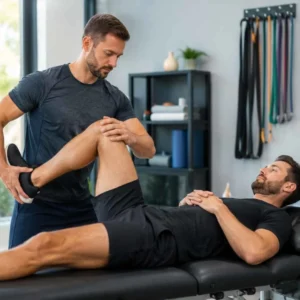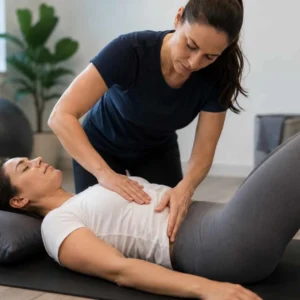
A major Sports Injury can change an athlete’s routine, performance, and confidence. In Fort Lauderdale, where outdoor activities, running, swimming, tennis, and competitive sports are popular, being unable to participate can be particularly frustrating. Injuries such as ACL tears, meniscus damage, rotator cuff injuries, and Achilles tendon problems often require structured rehabilitation before an athlete can safely resume physical activity. Returning too early may increase the risk of reinjury and prolong recovery. TheraCave Physical Therapy in Fort Lauderdale provides personalized sports injury rehabilitation designed to restore strength, mobility, stability, and sport-specific performance. With professional guidance and a structured recovery plan, athletes can work toward returning to the activities they enjoy with greater confidence.
Why Returning Too Early After a Sports Injury Is Risky
After a significant injury, pain may decrease before the affected muscles, tendons, ligaments, or joints have fully recovered. This can create a false sense of readiness, encouraging athletes to resume training before their bodies are prepared.
For example, an athlete recovering from an ACL tear may feel comfortable walking and performing everyday activities but still lack the knee stability and strength required for sudden changes in direction.
Similarly, someone recovering from a shoulder injury may regain basic arm movement but struggle with the repetitive overhead movements required in swimming, tennis, or baseball.
Returning prematurely can lead to:
- Reinjury to the original affected area.
- Persistent pain and inflammation.
- Reduced strength and athletic performance.
- Poor movement patterns and compensation.
- Increased stress on surrounding muscles and joints.
- Longer recovery periods.
A successful return to sports should depend on physical readiness, functional improvements, and professional assessment rather than simply waiting a certain number of weeks.
How TheraCave Supports Sports Injury Rehabilitation
TheraCave Physical Therapy provides specialized rehabilitation for athletes and active individuals recovering from sports-related injuries and orthopedic procedures.
Its approach focuses on identifying the underlying cause of an injury, restoring physical function, and preparing the body for the specific demands of athletic activity.
The rehabilitation process begins with a comprehensive physical evaluation. Licensed Doctors of Physical Therapy assess the affected area, movement patterns, strength, mobility, and functional limitations.
TheraCave also uses musculoskeletal ultrasound imaging when appropriate to help evaluate injured tissues and support accurate treatment planning.
Based on the findings, the therapist develops an individualized rehabilitation program instead of relying on a generic exercise routine.
The clinic treats several conditions, including ACL and PCL tears, rotator cuff injuries, meniscus tears, plantar fasciitis, Achilles tendon injuries, ankle sprains, tennis elbow, and post-surgical sports injuries.
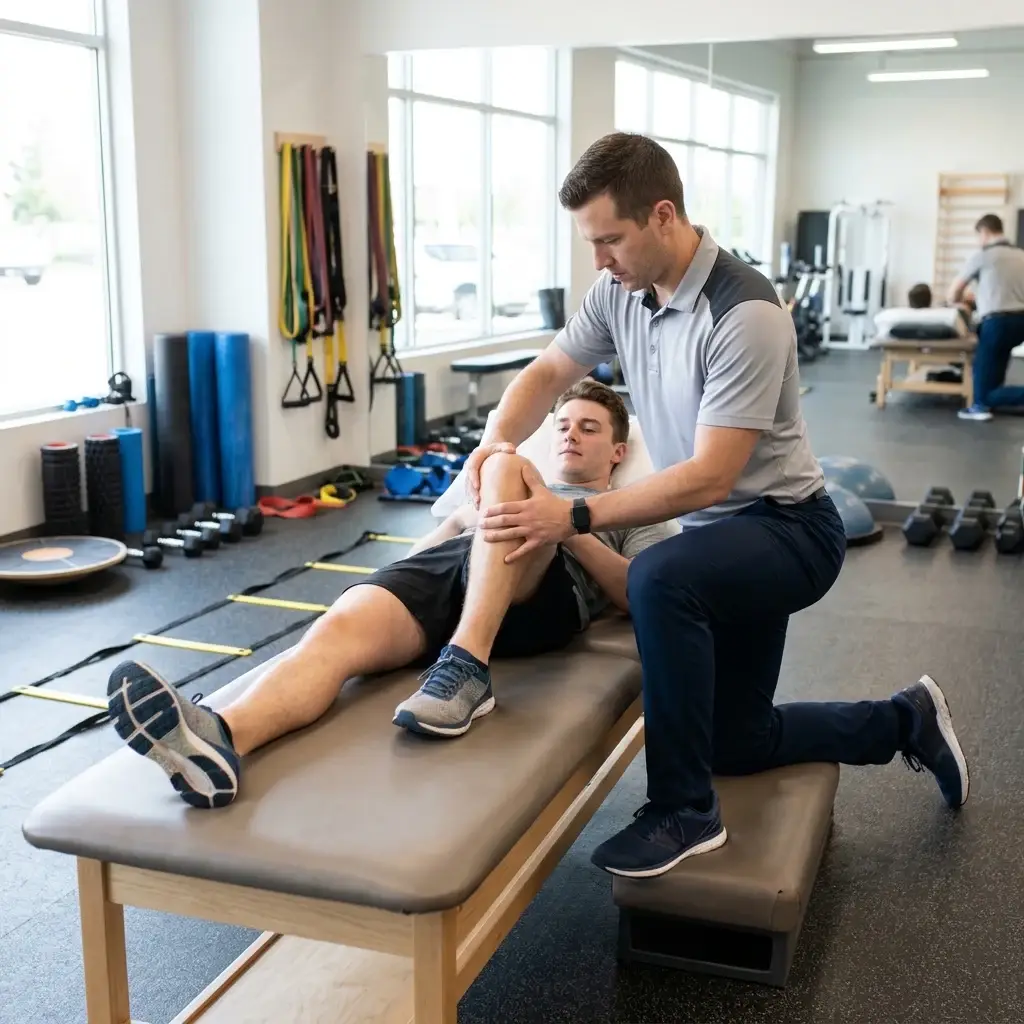
Job Story: Helping an Athlete Return After a Serious Knee Injury
Consider a recreational soccer player in Fort Lauderdale who suffers a significant knee injury during a competitive match. After medical evaluation and treatment, the athlete begins recovering but experiences weakness, reduced stability, and difficulty changing direction.
Although everyday walking becomes easier, returning to soccer remains challenging. Running, jumping, sudden stops, and rapid direction changes require considerably more strength and coordination than ordinary movement.
Concerned about another injury, the athlete seeks professional rehabilitation at TheraCave.
The physical therapist begins with a detailed assessment to understand the remaining limitations and establish recovery goals. A personalized program focuses on restoring knee mobility, rebuilding strength, improving balance, and developing better neuromuscular control.
As progress continues, the athlete gradually works toward more demanding movements, including controlled running, agility exercises, and sport-specific drills.
Instead of rushing back into competitive matches, the athlete follows measurable rehabilitation milestones and professional guidance.
This illustrative scenario demonstrates why structured recovery is important when returning to physically demanding sports.
The Four Phases of Returning to Sports Safely
At TheraCave, sports injury rehabilitation follows a structured progression designed to address different recovery needs.
Phase 1: Evaluation and Accurate Diagnosis
The first stage focuses on understanding the injury and identifying factors that may affect recovery.
A licensed physical therapist evaluates mobility, strength, joint function, and movement mechanics. MSK ultrasound imaging may also be used when appropriate.
This assessment helps establish a personalized treatment plan based on the athlete’s condition and recovery objectives.
Phase 2: Pain Relief and Tissue Healing
The next stage focuses on reducing pain, improving comfortable movement, and supporting tissue recovery.
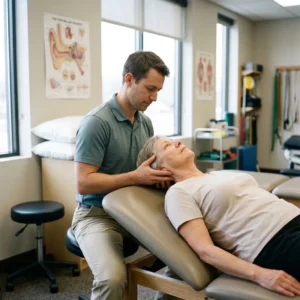
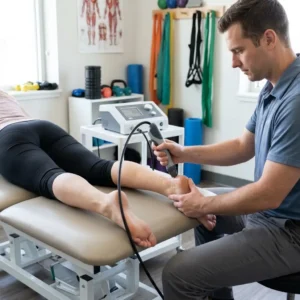
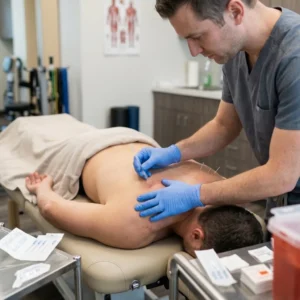
Depending on the injury and clinical assessment, TheraCave may incorporate manual therapy, dry needling, shockwave therapy, and kinesiology taping.
Treatment selection depends on the affected tissues and individual needs.
Phase 3: Strength, Stability, and Mobility Restoration
Once the athlete progresses beyond the initial recovery stage, rehabilitation places greater emphasis on rebuilding physical capacity.
Progressive therapeutic exercises help improve:
- Muscle strength and endurance.
- Joint stability and control.
- Flexibility and mobility.
- Balance and coordination.
- Neuromuscular function.
This phase is particularly important because insufficient strength and stability can increase the risk of reinjury when athletic demands return.
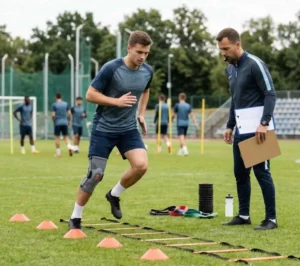
Phase 4: Sport-Specific Return to Play
The final stage prepares athletes for the movements required in their particular sport.
A runner may need progressive running and impact tolerance, while a tennis player may require controlled lateral movement, shoulder stability, and repeated changes in direction.
Soccer and basketball athletes may need to demonstrate appropriate jumping, landing, acceleration, and cutting mechanics.
TheraCave uses sport-specific exercises and performance benchmarks to help determine readiness for returning to competition.
Why Professional Rehabilitation Is Better Than Returning on Your Own
Attempting to resume athletic activity without professional guidance can leave important recovery limitations unnoticed.
Identifying Hidden Movement Problems
Pain relief does not necessarily mean normal movement has returned. Muscle imbalances, joint instability, and poor movement mechanics can remain even when everyday activities feel comfortable.
Physical therapists evaluate these issues and develop exercises to address them.
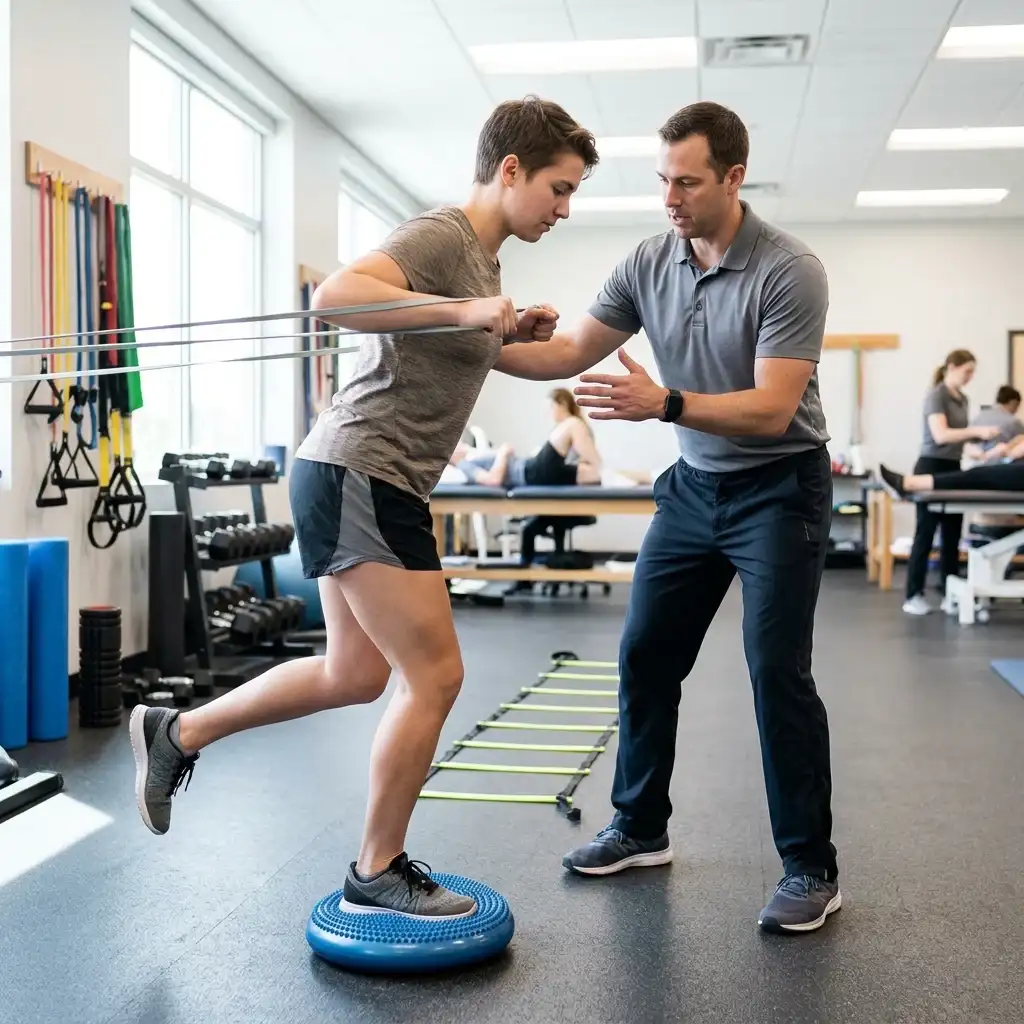
Using Appropriate Rehabilitation Equipment
Professional rehabilitation may involve resistance equipment, balance tools, therapeutic exercise systems, and specialized treatment techniques.
These resources allow therapists to adjust exercise difficulty and monitor physical progress more effectively than an unsupervised home routine.
Measuring Athletic Readiness
Being able to walk, jog, or perform basic movements does not automatically mean someone is ready for competition.
Professional return-to-play assessments consider strength, stability, coordination, movement quality, and sport-specific performance.
Reducing the Risk of Reinjury
A structured rehabilitation program gradually increases physical demands instead of exposing recovering tissues to sudden intense activity.
This controlled progression helps athletes rebuild confidence while addressing remaining physical limitations.
How Long Does It Take to Return After a Major Sports Injury?
Recovery timelines depend on the injury, its severity, treatment approach, and individual progress.
Minor sprains may recover within several weeks, while more serious injuries involving ligament reconstruction can require many months of rehabilitation. For example, ACL reconstruction recovery commonly takes approximately 9 to 12 months before considering a full return to demanding sports, although individual timelines vary.
Other factors affecting recovery include:
- The athlete’s previous fitness level.
- Whether surgery was required.
- The amount of muscle weakness.
- Joint stability and mobility.
- Consistency with rehabilitation.
- The physical demands of the chosen sport.
TheraCave emphasizes individualized, milestone-based recovery rather than using the calendar as the only measure of readiness.
Athletes should follow their treating medical professional’s recommendations and obtain appropriate clearance before returning to competition.
Get Back in the Game With TheraCave Physical Therapy
Recovering from a major Sports Injury requires more than waiting for pain to disappear. Athletes need to rebuild strength, restore movement, improve stability, and prepare their bodies for the physical demands of their sports.
TheraCave Physical Therapy in Fort Lauderdale provides personalized sports injury rehabilitation with one-on-one care from licensed Doctors of Physical Therapy. Its treatment approach combines comprehensive evaluations, advanced therapeutic techniques, progressive strengthening, and sport-specific return-to-play training.
Whether you are recovering from an ACL tear, shoulder injury, meniscus damage, Achilles tendon problem, or another athletic injury, professional rehabilitation can help you work toward a safer and more confident return.
Ready to start your recovery? Contact TheraCave Physical Therapy at (954) 284-0716 to schedule an evaluation or request a complimentary consultation. Visit the clinic at 1 E Broward Blvd, Suite 700, Fort Lauderdale, FL 33301, and take the next step toward returning to the sports you love.