
Many Fort Lauderdale patients visit a dental office expecting to hear they have a cavity or tooth infection, only to discover their teeth are perfectly healthy. Yet the pain is real, persistent, and often disruptive. In many cases, the true cause is not the teeth themselves, but a jaw condition known as TMJ disorder.
TMJ-related tooth pain is one of the most commonly misunderstood oral health issues. Because it closely mimics traditional dental problems, it often goes undiagnosed for months or even years. Understanding how TMJ affects the teeth is the first step toward proper treatment and long-term relief.
In this guide, we’ll explain how TMJ causes tooth pain, why Fort Lauderdale patients are particularly affected, and when professional TMJ treatment is necessary.
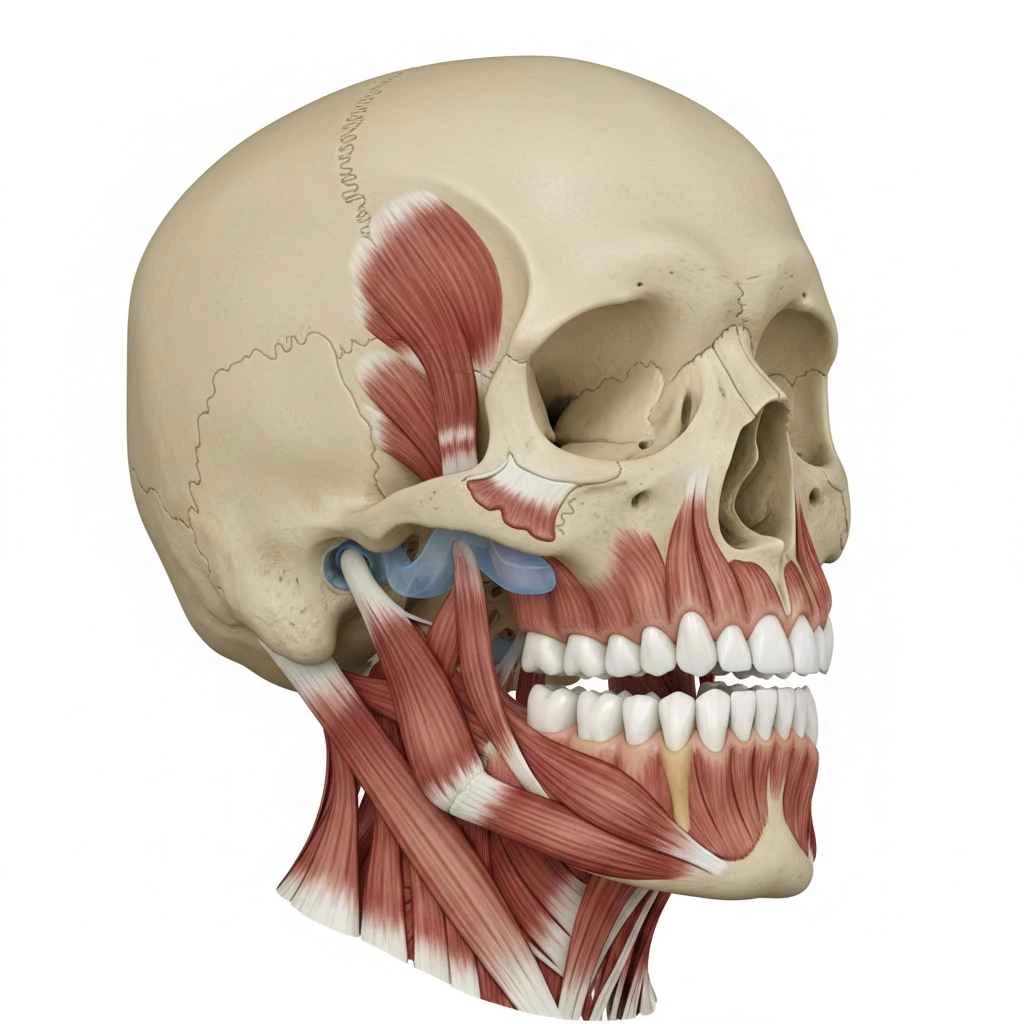
What Is TMJ and Why Is It So Important?
TMJ refers to the temporomandibular joint, the hinge-like joint connecting your lower jaw to your skull. This joint works constantly throughout the day, allowing you to talk, chew, yawn, and swallow.
When the TMJ becomes strained, inflamed, or misaligned, it can disrupt normal jaw function. This disruption doesn’t stay isolated, it affects surrounding muscles, nerves, and teeth, leading to widespread discomfort.
TMJ disorders can be caused by:
- Jaw misalignment
- Teeth grinding or clenching
- Stress-related muscle tension
- Arthritis or joint degeneration
- Injury to the jaw or face
Because the jaw and teeth work as one system, TMJ issues frequently present as tooth pain.
How TMJ Causes Tooth Pain
TMJ-related tooth pain is usually referred pain, meaning the discomfort originates in the jaw joint or muscles but is felt in the teeth.
Muscle Overload and Nerve Irritation
The jaw muscles involved in TMJ disorders often become tight and overworked. These muscles share nerve pathways with the teeth, causing pain signals to radiate into the mouth.
Chronic Teeth Clenching and Grinding
Many TMJ patients clench or grind their teeth unconsciously, especially during sleep. This constant pressure stresses the teeth and makes them feel sore, sensitive, or painful.
Uneven Bite Pressure
When the jaw is misaligned, certain teeth absorb more force than others. Over time, this uneven pressure causes discomfort that feels like tooth decay or damage.
TMJ Tooth Pain vs. Traditional Dental Pain
One of the biggest challenges with TMJ disorders is that the pain feels exactly like a dental issue.
How TMJ Tooth Pain Feels
- A dull ache affecting multiple teeth
- Pain that moves from one tooth to another
- Sensitivity without visible damage
- Discomfort that worsens when chewing
Why This Leads to Misdiagnosis
Standard dental X-rays often show no cavities or infections, yet the pain persists. Without TMJ evaluation, patients may receive unnecessary dental treatments that fail to resolve the issue.
Professional TMJ specialists understand how to differentiate between tooth-based pain and jaw-related pain.
Common TMJ Symptoms Fort Lauderdale Patients Experience
Tooth pain is rarely the only symptom. TMJ disorders often cause a combination of issues that worsen over time.
Jaw Pain and Stiffness
Patients may struggle to open or close their mouth comfortably, especially in the morning.
Clicking, Popping, or Grinding Sounds
Noises in the jaw joint during movement often indicate joint dysfunction.
Headaches and Migraines
TMJ muscle tension frequently radiates upward, causing chronic headaches.
Ear Pain and Pressure
Because the TMJ sits near the ear canal, inflammation often feels like an ear infection.
Facial and Neck Pain
Discomfort may spread across the cheeks, temples, and neck muscles.

Why TMJ Tooth Pain Is Common in Fort Lauderdale
Fort Lauderdale patients face unique lifestyle factors that can worsen TMJ symptoms.
High-Stress Lifestyles
Stress is a major contributor to jaw clenching and teeth grinding, both of which aggravate TMJ disorders.
Heat and Dehydration
Muscle tension worsens when the body is dehydrated, increasing jaw discomfort.
Active and Social Lifestyles
Extended talking, chewing, and jaw movement can intensify symptoms in untreated TMJ patients.
Local dental professionals are familiar with these contributing factors and tailor treatment accordingly.
When Fort Lauderdale Patients Should Seek TMJ Evaluation
If tooth pain continues despite normal dental exams, TMJ may be the underlying cause.
Signs It’s Time to See a TMJ Specialist
- Tooth pain without cavities or infection
- Jaw clicking or locking
- Pain affecting both sides of the mouth
- Headaches alongside dental discomfort
- Worsening pain during stress
Early intervention prevents long-term damage to both the jaw and teeth.
Professional TMJ Treatment Options in Fort Lauderdale
Effective TMJ care focuses on correcting the root cause, not masking symptoms.
Comprehensive TMJ Examination
Dental professionals assess jaw movement, bite alignment, muscle tension, and joint health to confirm diagnosis.
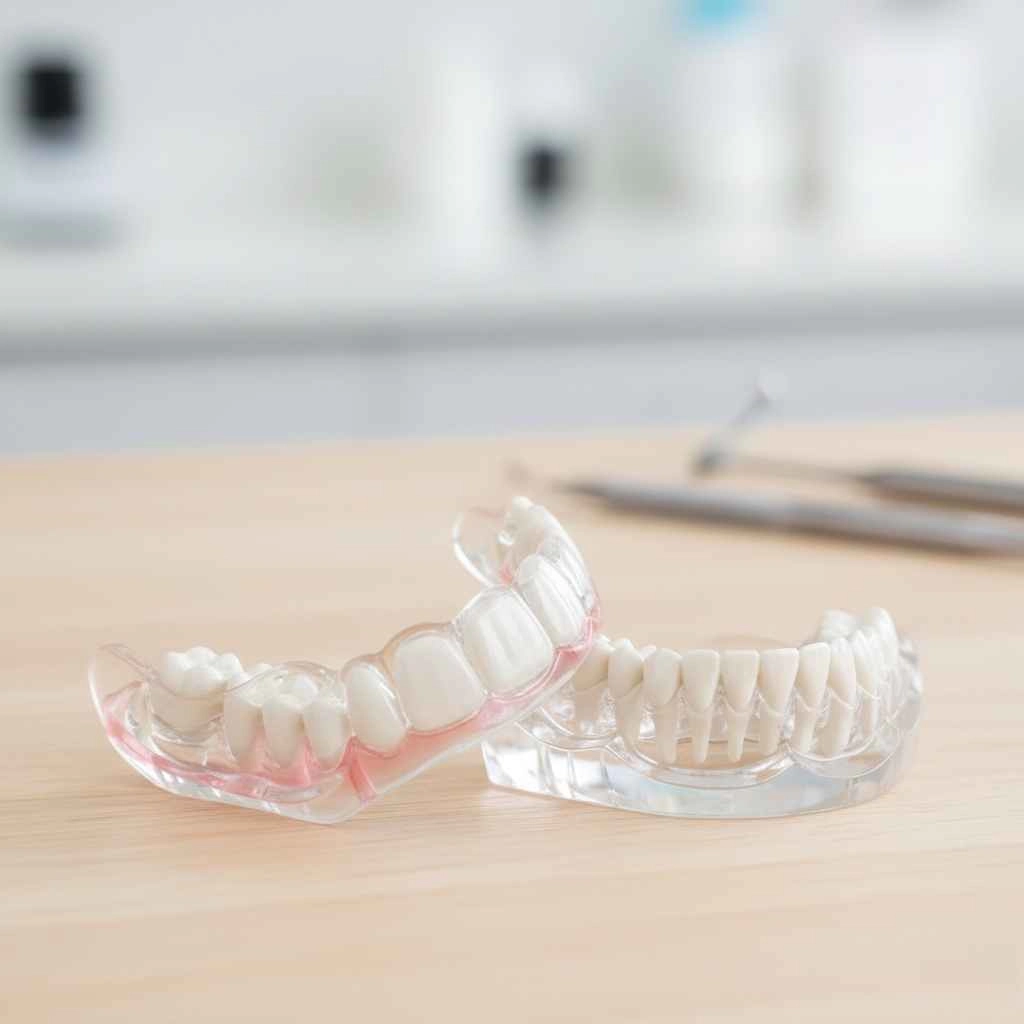
Custom Oral Appliances
Professionally designed night guards reduce clenching and grinding while allowing the jaw to rest in a healthy position.
Bite Correction Therapy
Minor adjustments can redistribute bite pressure evenly, reducing stress on both teeth and jaw joints.
Long-Term Monitoring
TMJ treatment often includes follow-up care to ensure symptoms remain controlled.
Benefits of Professional TMJ Treatment
Choosing expert TMJ care offers significant long-term benefits.
- Reduces chronic tooth pain
- Prevents enamel damage and fractures
- Improves jaw mobility
- Decreases headaches and facial tension
- Enhances overall quality of life
For Fort Lauderdale patients, professional treatment helps maintain both comfort and oral health.
Why Local Fort Lauderdale TMJ Specialists Matter
Local specialists understand the needs of Fort Lauderdale patients and provide personalized, accessible care. With advanced diagnostic tools and patient-focused treatment plans, local TMJ professionals deliver results that general treatments cannot.
Call to Action
If you’re experiencing ongoing tooth pain without a clear dental cause, TMJ disorder may be the missing piece. Ignoring jaw-related pain can lead to worsening symptoms and permanent tooth damage.
Contact our Fort Lauderdale TMJ specialists today to schedule a professional evaluation and get expert treatment designed to relieve tooth pain at its source.