Tech neck syndrome has become one of the most common posture-related problems for people who spend hours working on computers, scrolling on phones, or sitting at desks throughout the day. The constant forward head posture created by screens places excessive strain on the neck, shoulders, and upper back, often leading to stiffness, headaches, reduced mobility, and chronic discomfort.
Many people ignore the early signs of tech neck until daily movement becomes uncomfortable. However, improving neck mobility through targeted exercises and professional therapy can help reduce tension, improve posture, and restore healthier movement patterns.
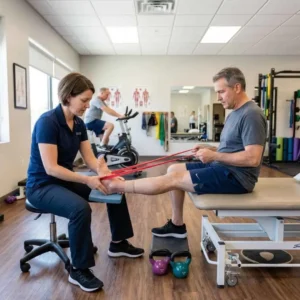
At Thera Cave Physical Therapy, treatment plans focus on movement analysis, mobility improvement, and personalized therapy solutions designed to reduce neck pain and posture-related dysfunction. Their approach combines hands-on therapy and exercise-based rehabilitation to help patients improve mobility and reduce chronic strain.
What Is Tech Neck Syndrome?
Tech neck syndrome refers to the stress and strain placed on the cervical spine from prolonged forward head posture. Looking down at phones, laptops, and tablets for extended periods shifts the head forward, forcing neck muscles to support extra weight throughout the day.
As posture worsens, many people experience:
- Neck stiffness
- Reduced mobility
- Shoulder tightness
- Tension headaches
- Upper back discomfort
- Muscle fatigue
- Poor posture habits
Over time, these issues can affect daily activities, sleep quality, and overall comfort.
Why Neck Mobility Exercises Matter
Mobility exercises help reduce stiffness by improving flexibility, circulation, and movement throughout the neck and upper spine. Consistent movement can also help counteract the effects of prolonged sitting and screen use.
Professional physical therapy programs often combine mobility exercises with posture correction strategies and hands-on treatment to address the root causes of neck discomfort.
Common Signs of Tech Neck
Many people develop tech neck gradually without noticing how much their posture has changed. Common symptoms include:
Forward Head Posture
The head shifts in front of the shoulders instead of remaining aligned over the spine.
Neck Tightness
Muscles in the neck and upper shoulders become stiff after extended screen time.
Limited Range of Motion
Turning the head fully side to side may become uncomfortable or restricted.
Frequent Headaches
Tension buildup in the neck and shoulders often contributes to headaches and upper back discomfort.

Chin Tucks for Posture Correction
One of the most effective exercises for tech neck is the chin tuck. This movement helps strengthen deep neck muscles while improving posture alignment.
How to Perform Chin Tucks
- Sit or stand with your shoulders relaxed.
- Keep your eyes facing forward.
- Gently pull your chin backward without tilting your head down.
- Hold for 5 seconds.
- Repeat 10 times.
This exercise helps counteract forward head posture caused by prolonged screen use.
Neck Rotation Mobility Exercise
Neck rotations help improve range of motion and reduce stiffness caused by long periods of sitting.
How to Perform Neck Rotations
- Sit upright with relaxed shoulders.
- Slowly turn your head to the right.
- Hold for several seconds.
- Return to center and repeat on the left side.
- Perform 8–10 repetitions per side.
Gentle movement helps improve flexibility without placing excessive strain on the neck.
Upper Trap Stretch
Tight upper trapezius muscles are extremely common in people with tech neck.
How to Perform the Stretch
- Sit upright.
- Tilt your head toward one shoulder.
- Use your hand gently for additional stretch pressure.
- Hold for 20–30 seconds.
- Repeat on both sides.
This stretch helps reduce tension in the neck and shoulders after long desk sessions.
Shoulder Blade Retraction Exercises
Tech neck often causes rounded shoulders along with forward head posture. Shoulder blade exercises help improve upper body alignment.
How to Perform Shoulder Blade Retractions
- Sit or stand upright.
- Pull your shoulder blades backward and downward.
- Hold for 5 seconds.
- Repeat 10–15 times.
Improving shoulder posture helps reduce stress on the cervical spine.
Levator Scapulae Stretch
The levator scapulae muscle commonly becomes tight from prolonged desk posture and screen use.
Stretch Instructions
- Turn your head slightly to one side.
- Tilt your chin downward toward your chest.
- Use gentle hand pressure to deepen the stretch.
- Hold for 20–30 seconds.
This movement helps relieve tension between the neck and shoulder blades.
Thoracic Extension Exercises
Many tech neck symptoms are connected to poor upper back mobility. Thoracic extension exercises help improve posture throughout the upper spine.
Basic Thoracic Extension
- Sit tall in a chair.
- Place your hands behind your head.
- Gently arch your upper back backward over the chair.
- Hold briefly and return to neutral.
- Repeat several times.
Improving upper back mobility helps reduce compensation in the neck.
A Common Tech Neck Recovery Story
One office worker began experiencing chronic neck tightness and headaches after years of working remotely on a laptop. Initially, the discomfort only appeared at the end of the workday, but eventually simple tasks like turning the head while driving became uncomfortable.
The individual attempted occasional stretching but continued spending long hours hunched over screens without correcting posture habits. After seeking professional therapy, the treatment plan focused on posture correction, neck mobility exercises, manual therapy, and workstation adjustments.
Within several weeks, mobility improved significantly, headaches decreased, and overall neck tension became easier to manage.
Cases like this are increasingly common because modern work habits place continuous stress on the cervical spine.
Why Professional Therapy Helps
While mobility exercises can help reduce mild symptoms, persistent neck pain often requires professional evaluation. Physical therapists can assess posture, muscle imbalances, joint mobility, and movement restrictions to create personalized treatment plans.
At Thera Cave Physical Therapy, treatment approaches include movement analysis, hands-on therapy, strength testing, and range-of-motion assessments to identify the causes of neck dysfunction.
Professional therapy may help with:
- Chronic neck stiffness
- Reduced cervical mobility
- Posture correction
- Headache management
- Muscle tension
- Shoulder tightness
- Workplace-related strain
Daily Habits That Help Prevent Tech Neck
Mobility exercises work best when combined with improved daily posture habits.
Raise Screens to Eye Level
Keeping screens higher helps reduce forward head posture during work or phone use.
Take Frequent Movement Breaks
Standing and stretching regularly prevents stiffness from building throughout the day.
Improve Desk Ergonomics
Chair positioning, monitor height, and keyboard placement all affect neck posture.
Avoid Looking Down for Long Periods
Frequent phone use with the neck bent downward significantly increases cervical strain.
When Neck Pain Should Not Be Ignored
Persistent pain, numbness, severe headaches, or significant mobility loss may indicate more serious problems requiring professional evaluation.
Symptoms that warrant attention include:
- Pain radiating into the arms
- Persistent headaches
- Tingling or numbness
- Severe stiffness
- Muscle weakness
- Chronic posture problems
Early intervention often helps prevent long-term mobility limitations.
Improve Neck Mobility and Reduce Tech Neck Symptoms
Tech neck syndrome has become increasingly common in modern work and lifestyle environments, but consistent mobility exercises and professional treatment can help restore healthier posture and reduce discomfort.
Whether you are experiencing stiffness, headaches, posture issues, or limited neck movement, improving mobility early can help prevent more serious long-term problems.
Call to Action
Contact Thera Cave Physical Therapy today to learn more about personalized treatment programs designed to improve neck mobility, posture, and overall comfort through professional physical therapy solutions.