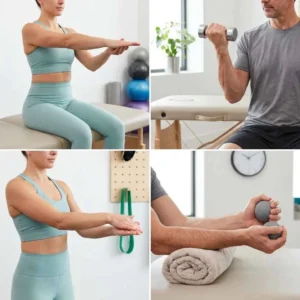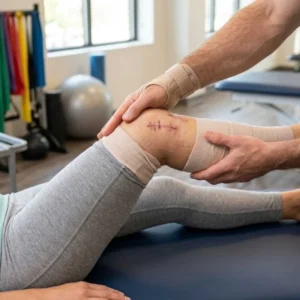
Tennis elbow, medically known as lateral epicondylitis, is one of the most common overuse injuries affecting the forearm and elbow joint. In a busy, physically demanding lifestyle, whether from sports, manual work, or even long hours on a computer, the repeated strain on wrist extensor tendons can lead to micro-tears, inflammation, and chronic pain.
In clinical practice, patients often report difficulty gripping objects, lifting even light items, or experiencing sharp pain on the outer elbow. According to professional rehabilitation providers like Theracave, this condition develops gradually due to repetitive stress and requires structured physical therapy for effective recovery.
Without proper treatment, symptoms can worsen over time, making daily activities increasingly difficult.
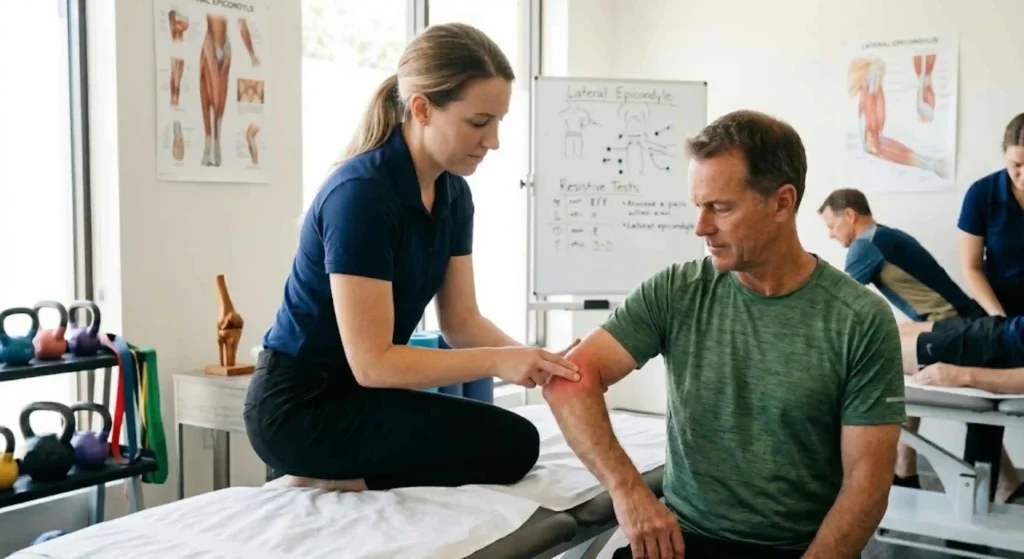
Job Story: A Real Case of Tennis Elbow Recovery
A 42-year-old office worker in a physically active job began experiencing persistent pain in his dominant arm after months of repetitive mouse use and weekend tennis games. At first, he ignored the discomfort, assuming it would resolve naturally.
However, the pain gradually intensified, spreading from the outer elbow into the forearm. Simple tasks like holding a coffee cup or shaking hands became painful. He eventually sought professional help and was diagnosed with tennis elbow.
At Theracave, his treatment plan included:
- Detailed physical evaluation to identify tendon overload
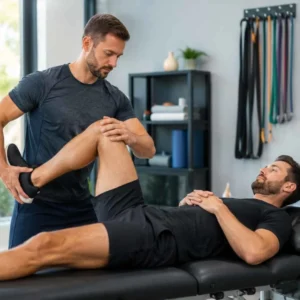
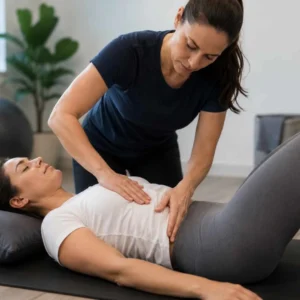
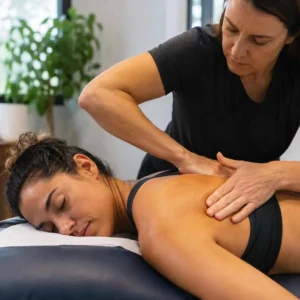
- Manual therapy to reduce muscle tightness
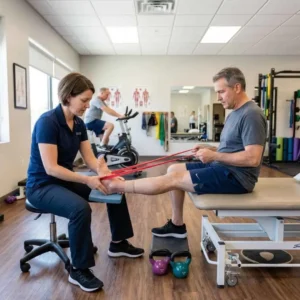
- Progressive strengthening exercises for wrist extensors
- Activity modification to reduce strain
- Shockwave therapy for tissue healing support
Shockwave therapy is commonly used in clinical settings for tennis elbow to stimulate tissue regeneration and reduce chronic pain.
After consistent sessions over several weeks, the patient regained grip strength, pain levels reduced significantly, and he returned to normal daily and sports activities.
Why Physical Therapy Works for Tennis Elbow
Tennis elbow is not just inflammation, it is a degenerative tendon overload condition caused by repetitive strain. That’s why rest alone is rarely enough for full recovery.
Professional physical therapy works because it targets the root cause:
- Weak or overloaded forearm muscles
- Poor movement mechanics
- Reduced tendon resilience
Therapists focus on restoring function through controlled loading, which helps tendons rebuild strength over time.
Proven Physical Therapy Treatments for Tennis Elbow
1. Manual Therapy and Soft Tissue Release
Therapists use hands-on techniques to reduce tightness in the forearm muscles. This improves blood flow and decreases pressure on the irritated tendon.
2. Strengthening Exercises (Progressive Loading)
Exercise-based rehab is considered the gold standard for tennis elbow recovery.
Common exercises include:
- Wrist extension strengthening
- Eccentric loading movements
- Grip strengthening drills
- Forearm rotation control exercises
These exercises help the tendon gradually adapt to stress instead of avoiding it completely.
3. Stretching and Flexibility Training
Stretching the wrist flexors and extensors improves mobility and reduces tension pulling on the elbow joint. This helps restore natural arm movement patterns.
4. Shockwave Therapy (ESWT)
Shockwave therapy is a modern, non-invasive treatment used for chronic tennis elbow cases.
It works by:
- Increasing blood flow
- Stimulating tissue repair
- Reducing chronic pain signals
Clinics like Theracave use this method to accelerate healing in stubborn cases that do not respond to basic rehab.
5. Activity Modification and Ergonomic Correction
A key part of therapy involves identifying daily habits that worsen the condition, such as:
- Poor workstation posture
- Improper sports technique
- Repetitive gripping or lifting
Correcting these habits prevents recurrence after recovery.
Why Professional Treatment Is Better Than DIY Recovery
Many people try to self-treat tennis elbow with rest, braces, or random exercises. While these may reduce pain temporarily, they do not rebuild tendon strength.
1. Risk of Improper Loading
Doing exercises incorrectly can worsen tendon irritation instead of healing it.
2. Hidden Severity Cannot Be Assessed at Home
Only a trained therapist can determine whether the issue is mild tendon strain or advanced degeneration.
3. Lack of Progressive Rehab Planning
Recovery requires a structured progression, from pain control to strengthening to full function. DIY approaches often miss this structure.
4. Chronic Cases Need Advanced Therapy
Long-term cases often require shockwave therapy or specialized manual techniques that are not possible at home.
Expected Recovery Timeline
Most patients experience noticeable improvement within:
- 2–3 weeks: reduced pain and inflammation
- 4–6 weeks: improved strength and function
- 8–12 weeks: near full recovery in most cases
However, severe cases may require longer rehabilitation depending on tendon damage and daily activity levels.
Conclusion: Long-Term Relief Requires Proper Rehab
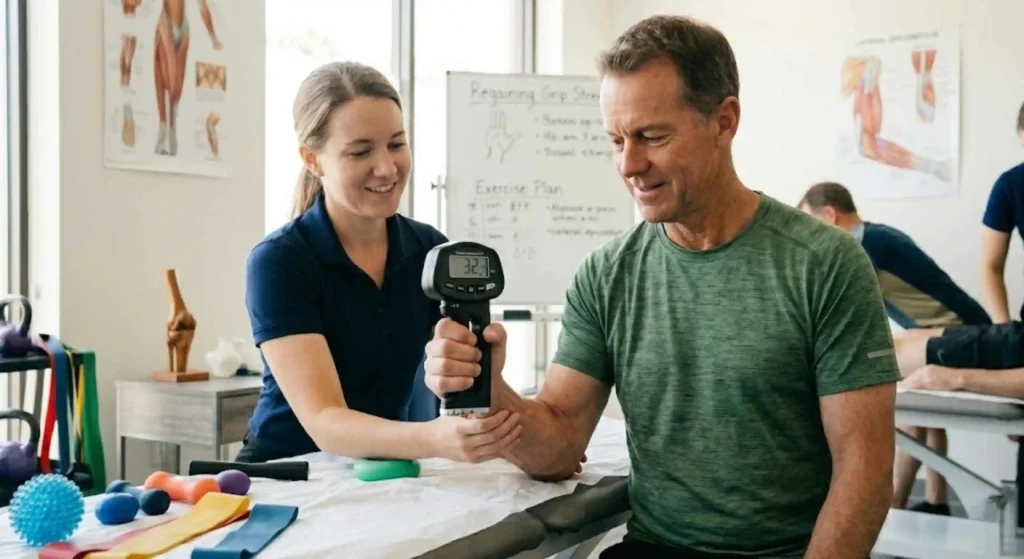
Tennis elbow is a painful but highly treatable condition when addressed correctly. Physical therapy remains the most effective long-term solution because it restores tendon strength, improves movement mechanics, and prevents recurrence.
Clinics like Theracave provide evidence-based treatments including manual therapy, strengthening programs, and advanced options like shockwave therapy to ensure full recovery instead of temporary relief.
Call to Action
If you are struggling with persistent elbow pain or suspect tennis elbow, don’t wait for it to become chronic. Contact Theracave today to book a professional physical therapy assessment and start your recovery with proven, targeted treatment options.