If you live in Fort Lauderdale, FL, and struggle with jaw pain, headaches, clicking sounds in your jaw, or recurring migraines, you’re not alone. Many people don’t realize that a temporomandibular joint (TMJ) problem can directly contribute to tension headaches and migraines that interfere with daily life. Understanding the connection between TMJ dysfunction and migraine symptoms can help you get the right care and long-term relief.
At Theracave Physical Therapy, we specialize in identifying TMJ dysfunction and addressing the musculoskeletal and movement-related issues that can be at the root of both jaw pain and migraine-type headaches.
What Is TMJ Dysfunction?
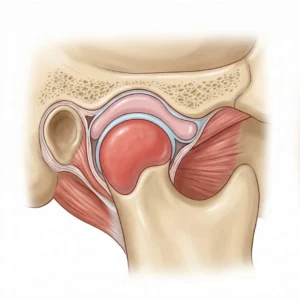
Temporomandibular joint (TMJ) dysfunction refers to conditions that affect the jaw joint and the surrounding muscles that control jaw movement. This can cause:
- Jaw pain or tenderness
- Clicking or popping when opening or closing the mouth
- Trouble chewing or limited jaw range of motion
- Headaches and migraine-like pain
In some cases, TMJ dysfunction leads to muscle tension that radiates into the head and neck, which can trigger headaches or even migraines.
Why TMJ and Migraines Are Connected
Migraines are more than just bad headaches they’re neurological events often accompanied by sensitivity to light, nausea, and intense, throbbing pain on one side of the head.
When your TMJ isn’t functioning properly, it can create tension and strain in muscles that extend up into your temples and skull. That often results in:
- Muscle tightness around the jaw and temples
- Referred pain that feels like migraine or tension headaches
- Worsening symptoms with jaw use (eating, talking, yawning)
This pressure and muscle imbalance may trigger or worsen migraine symptoms.
A Real Fort Lauderdale Patient Story
One local patient from Coral Ridge came in with persistent migraines they had lived with for years. The headaches were often debilitating and interfered with work and sleep. They also experienced jaw clicking whenever they opened wide.
After a detailed evaluation, it became clear their migraines weren’t just neurological they were associated with chronic jaw tension and TMJ dysfunction. A tailored therapy program that focused on reducing muscle tension and improving jaw movement produced results: the migraines became less frequent and less intense over a few weeks of guided care.
This real Fort Lauderdale case highlights how looking beyond typical headache treatments can uncover the real source of persistent pain the TMJ connection.
Top Signs Your Headaches May Be Related to TMJ
1. Jaw Pain or Tenderness
Pain around your jaw joint or face during everyday activities can indicate TMJ issues.
2. Clicking, Popping, or Locking
Unusual sounds when opening or closing your mouth often point to joint dysfunction.
3. Migraines or Frequent Headaches
If standard headache remedies aren’t helping and you also have jaw symptoms, TMJ-related tension may play a role.
4. Muscle Tension in Neck or Shoulders
Pain that radiates beyond the jaw into the neck or shoulders is common with TMJ issues.
5. Difficulty Chewing or Jaw Fatigue
Even mild jaw pain with chewing or talking can indicate dysfunction.
How Non-Invasive Therapy Helps TMJ and Migraine Symptoms
According to research and clinical experience, conservative therapies like physical therapy and targeted muscle work can significantly reduce TMJ symptoms including associated headaches and migraines, without surgery.
At Theracave, TMJ treatment may include:
Manual Therapy and Muscle Techniques
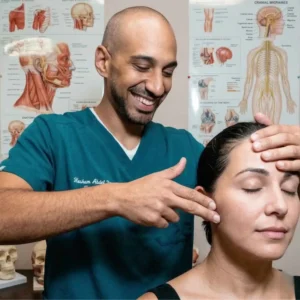
Gentle hands-on approaches address muscle tension in the jaw, neck, and shoulders that contribute to pain and headache patterns.
Therapeutic Jaw Exercises
Guided movements help improve jaw mobility and reduce stress on the joint.
Posture and Movement Correction
Poor posture, especially forward head posture, can worsen TMJ strain and tension headaches. Correcting posture and alignment helps reduce stress on the muscles tied to migraines.
Stress and Muscle Relaxation Techniques
Stress often leads to teeth grinding (bruxism) and muscle clenching that exacerbate TMJ symptoms. Therapists help patients identify tension patterns and relax the muscles involved.
Why Professional Evaluation Matters
Many people self-treat headaches with over-the-counter pain meds, lifestyle changes, or rest but if the problem stems from TMJ dysfunction, those approaches may only mask symptoms without addressing the real cause.
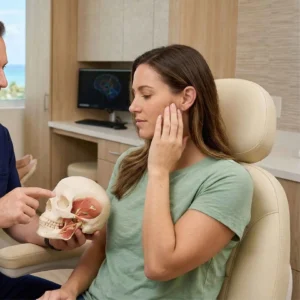
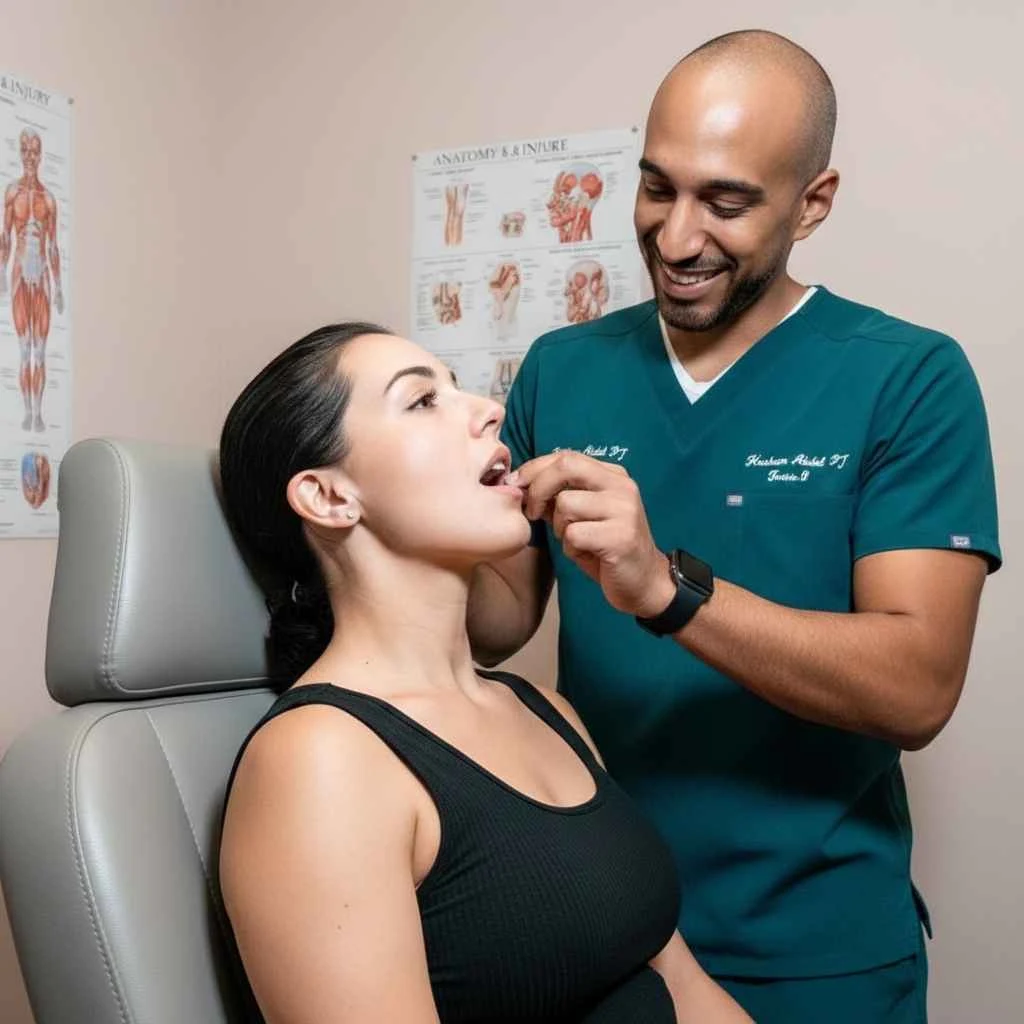
A professional evaluation for TMJ assesses:
- Jaw movement mechanics
- Muscle tension patterns
- Postural influences
- Jaw joint alignment
Identifying the root cause is essential to break the cycle of tension and headache.
Tips for Managing TMJ-Related Migraines at Home
Alongside professional care, you may find relief from simple habits like:
- Jaw Rest: Avoid excessive chewing, gum, or very hard foods.
- Warm Compresses: Applying heat to tight jaw muscles can relax tension.
- Stress Management: Techniques like breathing exercises reduce clenching triggers.
Always discuss any at-home approach with your care provider to ensure it complements your treatment plan.
Why Choose Theracave in Fort Lauderdale
Theracave Physical Therapy provides personalized, evidence-based care focused on conservative approaches to TMJ dysfunction and related symptoms, including headaches and migraines. Their goal is to address root causes rather than just mask pain, helping you restore pain-free movement and a higher quality of life.
Call to Action
If jaw pain, clicking, or frequent headaches are affecting your Fort Lauderdale life, it’s time to get answers from a professional. Contact Theracave Physical Therapy to schedule your consultation for TMJ and migraine-related care. Call now, book your appointment, or request a personalized plan to begin your journey toward lasting relief.