Chronic migraines can make everyday life difficult, affecting work, sleep, and overall well-being. While migraines are often linked to neurological causes, many people don’t realize that jaw problems, specifically TMJ disorders, can also trigger or worsen migraine symptoms.
Specialized therapy clinics like TheraCave Physical Therapy focus on identifying the underlying musculoskeletal factors that contribute to headaches, migraines, and jaw pain. Through personalized treatment plans, patients can often reduce the frequency and intensity of migraines by addressing issues related to the temporomandibular joint (TMJ).
What Is TMJ?
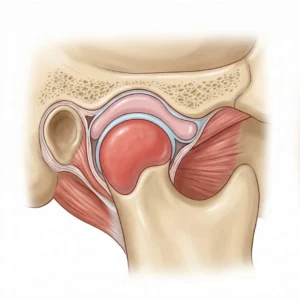
The temporomandibular joint (TMJ) connects the jawbone to the skull and allows you to speak, chew, and move your mouth. TMJ disorders occur when this joint becomes irritated, misaligned, or inflamed.
Common TMJ symptoms include:
- Jaw pain or stiffness
- Clicking or popping sounds when opening the mouth
- Difficulty chewing
- Facial pain
- Headaches or migraines
TMJ disorders can affect surrounding muscles in the face, neck, and shoulders, which can contribute to chronic headaches.

How TMJ Can Trigger Migraines
Migraines are more than just severe headaches; they are neurological events often accompanied by symptoms like nausea, sensitivity to light, and throbbing head pain.
When TMJ dysfunction occurs, it can create muscle tension and nerve irritation around the head and neck. This tension can trigger migraine episodes.
Common TMJ-related migraine triggers include:
Jaw Muscle Tension
Tight jaw muscles can radiate pain to the temples and forehead.
Teeth Grinding (Bruxism)
Clenching or grinding teeth during sleep can strain the jaw and lead to headaches.
Poor Posture
Forward head posture increases tension in the neck and jaw muscles.
Stress and Muscle Strain
Emotional stress often leads to jaw clenching, which can worsen both TMJ pain and migraines.
Identifying and addressing these underlying issues can significantly improve migraine symptoms.

Symptoms That Suggest TMJ May Be Causing Your Migraines
Sometimes migraines are linked to jaw dysfunction rather than purely neurological causes. Signs that TMJ may be involved include:
- Headaches that start near the jaw or temples
- Jaw pain when chewing or speaking
- Clicking or popping sounds in the jaw
- Morning headaches from nighttime grinding
- Neck and shoulder tension accompanying headaches
If these symptoms appear together, a TMJ evaluation may help identify the source of the problem.
Therapy-Based Treatment for TMJ and Migraines
Instead of relying solely on medication, many patients benefit from physical therapy approaches that target the root cause of migraines.
At TheraCave Physical Therapy, therapists use detailed assessments to identify factors such as posture issues, muscle tension, and movement patterns contributing to migraines.
Treatment plans may include:
- Posture correction and movement training
- Jaw mobility exercises
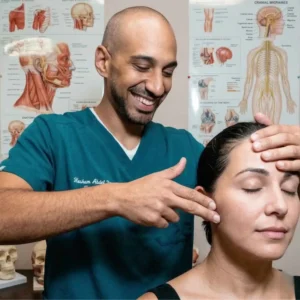
- Manual therapy to release tight muscles
- Stress-reduction techniques
- Customized rehabilitation programs
These therapies aim to restore normal jaw function and reduce tension that triggers migraines.
Dry Needling for TMJ and Headache Relief
Another therapy option used in TMJ treatment is dry needling, which targets trigger points in tight muscles.
Dry needling involves inserting very fine needles into specific muscle areas to reduce tension and improve blood flow. This technique can help relieve:
- Jaw muscle tightness
- Facial pain
- Headaches and migraines
- Neck and shoulder tension
Facial dry needling specifically targets muscles in the face and jaw to relieve TMJ pain and improve muscle function.
Lifestyle Changes That Can Help Reduce TMJ-Related Migraines
Along with professional therapy, certain lifestyle habits can help manage TMJ symptoms and prevent migraines.
Helpful strategies include:
- Maintaining good posture while working or using devices
- Avoiding excessive gum chewing
- Practicing stress management techniques
- Using gentle jaw stretching exercises
- Maintaining regular sleep patterns
These habits help reduce tension on the jaw and surrounding muscles.
When to Seek Professional Help
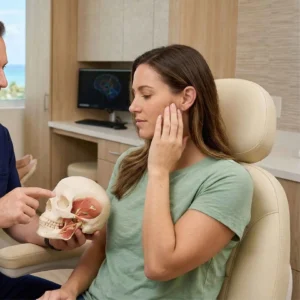
If migraines are frequent or accompanied by jaw pain, clicking, or facial tension, professional evaluation can help identify whether TMJ is contributing to the problem.
At TheraCave Physical Therapy, therapists specialize in treating conditions such as migraines, headaches, TMJ disorders, and musculoskeletal pain using evidence-based physical therapy techniques.
Find Relief from TMJ and Migraines
TMJ disorders and migraines often share common triggers related to muscle tension, posture, and jaw function. Treating the root cause rather than only the symptoms can lead to long-term relief.
With personalized therapy, targeted treatments, and professional guidance, many patients are able to reduce migraine frequency and improve their quality of life.
Call to Action
If jaw pain and migraines are affecting your daily routine, scheduling a consultation with a qualified therapy clinic may be the first step toward lasting relief. Contact us today!