Introduction:
If you’ve been researching shockwave therapy to relieve chronic pain, tendon issues, or muscle injuries, you’ve probably asked the same question many others do: “Does it hurt?”
The term “shockwave” can sound intimidating, but the truth is, shockwave therapy is generally well-tolerated and safe when performed by trained professionals. The level of discomfort varies depending on your pain sensitivity, the area being treated, and the severity of your condition. In most cases, patients describe it as mild to moderate discomfort that fades quickly after each session.
Let’s break down exactly what shockwave therapy feels like, what influences the level of pain, and how clinics ensure a comfortable, positive treatment experience.
What Is Shockwave Therapy?
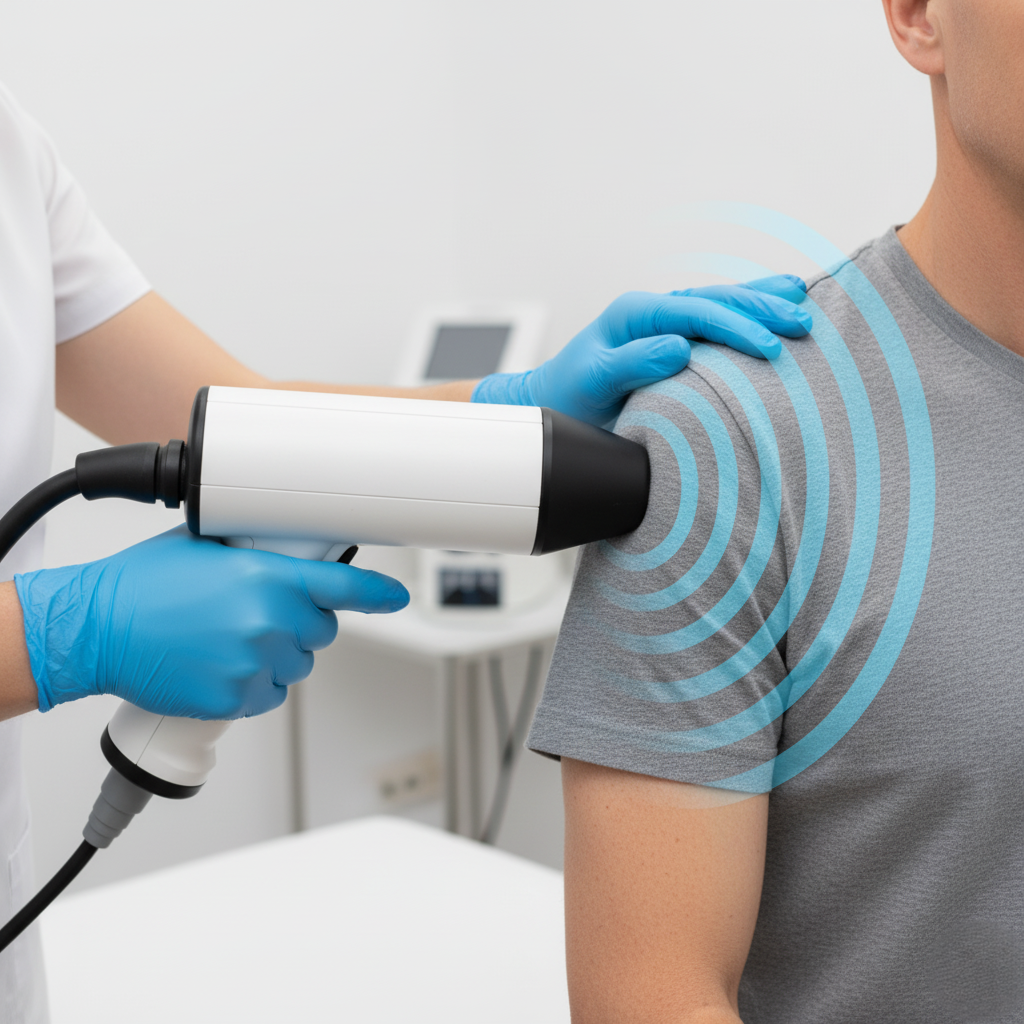
Shockwave therapy, or Extracorporeal Shockwave Therapy (ESWT), is a non-invasive treatment that uses focused sound waves to stimulate the body’s natural healing process. These waves penetrate deep into soft tissues, tendons, and muscles, promoting cell regeneration, improving blood flow, and reducing chronic inflammation.
It’s widely used in physical therapy, sports medicine, and rehabilitation settings to treat conditions like:
- Plantar fasciitis
- Tennis elbow
- Rotator cuff tendinitis
- Achilles tendinitis
- Shoulder pain
- Chronic muscle stiffness or trigger points
The therapy’s goal isn’t just temporary pain relief; it’s to help your body heal itself from the inside out.
What Does Shockwave Therapy Feel Like?
During the session, your therapist applies a handheld device to the affected area using a gel that helps conduct the sound waves. As the device emits pulses, you’ll feel a series of tapping or pulsating sensations on your skin.
The level of intensity can vary:
- Mild Discomfort: Most patients describe the feeling as a deep vibration or quick tapping sensation.
- Moderate Discomfort: Some report a sharper or more intense sensation, especially if the area is highly inflamed or sensitive.
The good news? Each treatment lasts only about 5–10 minutes, and discomfort often lessens as your body adapts to the pulses within the first minute of therapy.
Tip: Experienced therapists always start with a lower intensity and gradually increase the energy based on your comfort level.
Why Does Shockwave Therapy Cause Temporary Discomfort?
Shockwave therapy stimulates micro-healing reactions within the body. This process involves:
- Breaking down scar tissue or calcium deposits.
- Increasing blood flow to the injured area.
- Activating the body’s natural repair mechanisms.
As a result, the treated area may experience temporary tenderness, similar to the soreness you might feel after an intense workout. This mild discomfort is actually a positive sign that the therapy is working and that healing has been triggered.
How Long Does the Discomfort Last?
Most patients report that any soreness or tenderness subsides within 24 to 48 hours after the session. It’s comparable to mild muscle fatigue rather than sharp pain.
- The treated area feels slightly swollen or warm (normal).
- Pain relief gradually increases after 2–3 sessions as inflammation decreases.
- Activities can be resumed almost immediately, no downtime required.
Factors That Influence Pain Levels During Treatment
Every person experiences shockwave therapy differently. The level of discomfort can depend on:
- Treatment Area:
Areas with thin skin or limited soft tissue (like the elbow or ankle) may feel more sensitive than fleshy areas like the thigh or hip. - Intensity of Energy:
Therapists can adjust the frequency and pressure of the shockwaves. Beginners usually start at lower settings. - Pain Tolerance:
Everyone’s pain threshold is unique. Patients with chronic pain often find treatments more tolerable over time. - Condition Severity:
The more inflamed or damaged the tissue, the more sensations you might initially feel, but this typically improves after each session.
How Professionals Minimize Discomfort
At reputable clinics, your comfort is always a priority. Professionals take several steps to make shockwave therapy as easy and painless as possible:
- Gradual Intensity Adjustment: The energy level starts low and increases only if tolerated.
- Targeted Application: Therapists pinpoint exact pain areas to avoid unnecessary pressure elsewhere.
- Communication: You’re encouraged to speak up during treatment; if anything feels too intense, adjustments are made immediately.
- Aftercare Instructions: Gentle stretching and ice application can reduce any post-treatment soreness.
Comparing Shockwave Therapy Pain to Other Treatments
When compared to alternatives like corticosteroid injections or surgery, shockwave therapy is significantly less painful and carries fewer risks. Unlike invasive procedures, there are no incisions, anesthesia, or lengthy recovery periods.
Even compared to deep tissue massage, some patients find shockwave therapy more tolerable because it uses short, precise bursts of energy rather than continuous pressure.
Post-Treatment Care and Recovery
After a shockwave therapy session, your therapist may recommend:
- Rest: Avoid high-impact exercise for 24–48 hours.
- Hydration: Helps flush out metabolic waste and promotes healing.
- Ice Application: Reduces mild soreness if needed.
- Follow-up Sessions: Typically, 3–6 sessions spaced a week apart provide optimal results.
With consistent care and professional guidance, patients often notice lasting relief and improved mobility.
The Benefits Outweigh Temporary Discomfort

While shockwave therapy can cause short-lived discomfort, its long-term benefits are well worth it. The treatment not only helps reduce pain naturally but also stimulates deep tissue healing, addressing the root cause of chronic pain instead of masking symptoms.
You’ll likely walk away from each session with a sense of progress, knowing that your body is actively healing and restoring itself.
Conclusion: Short-Term Sensation, Long-Term Relief
So, how painful is shockwave therapy? The answer is simple; it’s typically mild and temporary, especially under professional supervision. Any discomfort fades quickly, replaced by gradual pain relief and improved movement.
At our clinic, we prioritize your comfort while delivering effective, evidence-based treatments. Our experts tailor each session to your needs, ensuring maximum results with minimal discomfort.
Call to Action:
Don’t let fear of discomfort stop you from finding lasting relief. Experience the power of modern, non-invasive pain therapy with our professional shockwave treatment services. Contact us today to schedule a consultation and take the first step toward a pain-free, active lifestyle.