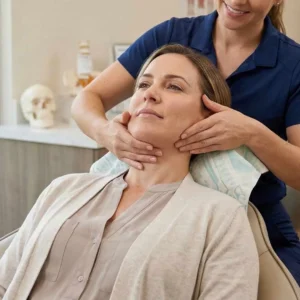
Platelet-Rich Plasma (PRP) therapy has gained popularity in Fort Lauderdale for its wide range of applications, from joint discomfort to hair restoration and skin rejuvenation. Because it uses a patient’s own blood, PRP is considered a natural, minimally invasive option overseen by licensed medical professionals.
But one question almost every patient asks first is:
“Do PRP injections hurt?”
The honest answer? Most patients describe PRP as mildly uncomfortable rather than painful, especially when performed by trained clinicians who know how to prepare the injection site and guide the process carefully. Every person’s tolerance is different, but professional technique plays a major role in comfort.
How PRP Therapy Works (Simple Explanation)
PRP treatment uses a concentration of your own platelets to support tissue recovery. Here’s how the process generally works in professional Fort Lauderdale clinics:
- A small amount of blood is drawn, similar to a routine lab test.
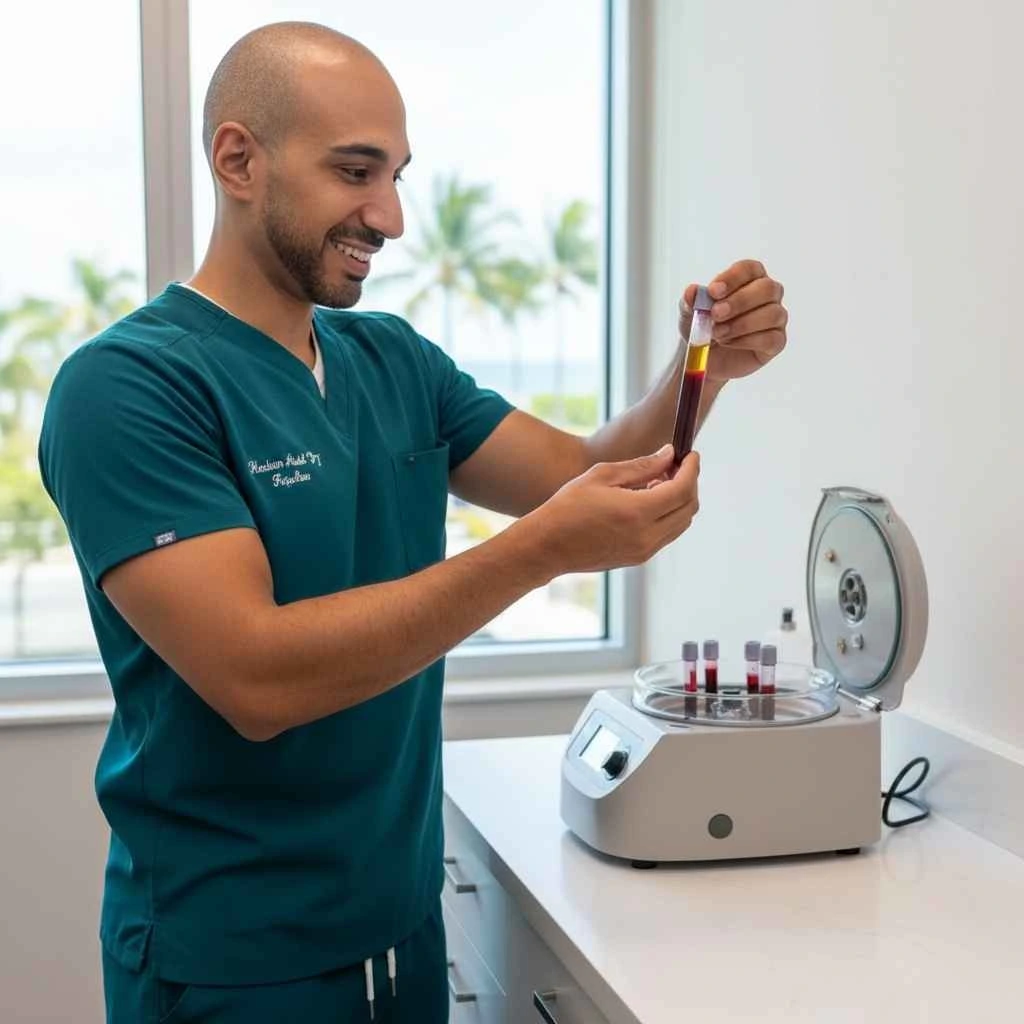
- The blood is spun in a centrifuge, separating platelets from other components.
- The concentrated platelets are injected into the target area by a licensed clinician.
Every step happens in a medical environment using sterilized equipment. Because your own plasma is used, the risk of allergic reaction is very low. But for comfort and safety, PRP should always be administered by certified professionals, not as a DIY procedure.
Do PRP Injections Hurt? What Patients Commonly Report
Pain levels can vary depending on:
- The injection location
- Patient sensitivity
- Skin thickness
- The amount of PRP injected
- Pre-injection preparation
- Experience of the clinician
Here is what most Fort Lauderdale patients commonly describe:
Mild Pinch or Pressure
The needle sensation is similar to receiving a vaccine or routine shot. Some describe it as a brief pinch.
Warmth or Fullness
When PRP enters the tissue, a warm or full sensation is common. This is normal and usually lasts only a few minutes.
Temporary Soreness
The treated area may feel sore afterward, depending on the body part. Most patients compare it to workout soreness.
Discomfort Varies by Treatment Area
- Joint PRP: Often mild to moderate pressure
- Hair restoration PRP: Quick pinpricks across the scalp
- Skin rejuvenation PRP: Lighter treatment area, minimal pain
Licensed providers often use topical numbing, cold therapy, or distraction techniques to reduce sensation and improve comfort.
Why Professional PRP Providers Improve Comfort
While PRP is a minimally invasive treatment, comfort depends heavily on how it’s performed. Licensed medical specialists who offer PRP in Fort Lauderdale follow strict steps to minimize discomfort:
1. Proper Numbing Techniques
Clinics may use:
- Topical anesthetics
- Ice packs
- Local numbing injections (depending on the area)
This alone significantly reduces sensations during treatment.
2. Expert Needle Placement
Trained clinicians know:
- Where to inject
- What angle to use
- How deep should the needle go
- How to avoid sensitive areas
This precision prevents unnecessary discomfort.
3. Controlled Injection Speed
Too fast = more pain.
Too slow = more soreness.
Professionals regulate the pace for optimal comfort.
4. Sterile, High-Quality Equipment
Needle quality and size make a noticeable difference in how injections feel.
5. Calming, Supportive Environment
Patients feel more relaxed when they trust their provider; less tension often means less perceived pain.
Factors That Influence PRP Pain Levels
Here are the most common factors that can affect your personal comfort:
Needle Sensitivity
Some people are naturally more sensitive to injections, while others barely feel them.
Inflammation in the Area
If PRP is targeting an irritated area, like tendons or joints, there may be more pressure discomfort.
Personal Pain Tolerance
Everyone’s threshold is different. Providers adjust techniques accordingly.
Multiple Injection Sites
Treatments that cover larger areas, like scalp PRP, may involve more pinpricks, though each one is brief.
Using Your Own Plasma
Some patients take comfort in knowing the substance isn’t foreign, which can reduce anxiety during treatment.
How Long Does Discomfort Last After PRP?
Most patients report:
- Soreness for 24–72 hours
- Mild swelling for 1–2 days (depending on the area)
- Full comfort returning within a few days
Licensed clinicians provide aftercare instructions tailored to your treatment. This may include cold compresses, avoiding certain activities, or monitoring the area for sensitivity. These guidelines are educational and supportive, not medical directives, and always require follow-up consultation if discomfort becomes unusual.
Is PRP Worth the Momentary Discomfort? What Fort Lauderdale Patients Say
While individual experiences vary, many patients say the temporary discomfort is manageable and that the treatment itself feels quicker than expected. The fact that PRP is natural and minimally invasive often outweighs the short-term sensations.
What patients often appreciate most is:
- There is no major downtime
- They can return to most routine activities quickly
- The process feels safe when handled by a licensed provider
- The environment feels more comfortable and professional
Again, results differ person to person, and patients should always consult their healthcare provider before treatment.
What You Can Expect at a Professional Fort Lauderdale PRP Appointment
1. Consultation With a Licensed Clinician
You discuss goals, treatment area, and whether you are a good candidate.
2. Safe, Comfortable Treatment Setup
Sterile environment, medical equipment, and supportive staff.
3. Numbing & Preparation
Preparation depends on the treatment area.
4. Blood Draw & PRP Processing
Quick, smooth, and handled by trained professionals.
5. Targeted PRP Injection
Performed with precision and patient comfort in mind.
6. Aftercare Guidance
General educational recommendations are provided.
Call to Action: Experience Professional, Comfortable PRP Services in Fort Lauderdale
If you’re considering PRP therapy but worried about discomfort, you’re not alone. Many Fort Lauderdale residents have the same question, and they’re often surprised at how manageable the experience can be when handled by licensed professionals.
Our team provides safe, professionally guided PRP treatments in a comfortable, supportive environment. From initial consultation to aftercare, we focus on your comfort, clarity, and confidence every step of the way.
Ready to learn whether PRP is right for you?
Contact our Fort Lauderdale clinic today to schedule a consultation with a licensed specialist.