
Dizziness and vertigo can be frightening, especially when they appear without warning. Many Fort Lauderdale residents experiencing balance issues assume the cause is an inner ear problem, low blood pressure, or stress. However, a lesser-known but very real contributor is TMJ disorder. Yes, TMJ can cause vertigo, and it affects more people than most realize.
Understanding how the jaw joint connects to balance, hearing, and nerve function can help Fort Lauderdale patients identify symptoms early and seek the right care before daily life is disrupted.

Understanding TMJ and Its Role in the Body
TMJ stands for temporomandibular joint, the hinge connecting your jaw to your skull. You use it constantly, talking, chewing, yawning, and even swallowing. When this joint becomes inflamed or misaligned, it can trigger a condition known as TMJ disorder (TMD).
Common Causes of TMJ Disorders
- Teeth grinding or clenching (often stress-related)
- Jaw misalignment or bite issues
- Arthritis in the jaw joint
- Injury to the jaw or face
- Poor posture affects neck and jaw alignment
Because the TMJ sits close to critical nerves, muscles, and the inner ear, problems in this joint can create symptoms far beyond jaw pain.
How TMJ Can Cause Vertigo
Vertigo is a sensation that you or your surroundings are spinning. TMJ-related vertigo occurs due to the anatomical proximity between the jaw joint and the inner ear, which controls balance.
The Connection Explained
- The TMJ is located just in front of the ear canal
- Inflammation in the joint can irritate nearby nerves
- Jaw tension can affect muscles linked to balance
- Pressure changes may disrupt inner ear function
When these systems are thrown off balance, Fort Lauderdale patients may experience dizziness, disorientation, or a spinning sensation, especially when chewing, opening the mouth wide, or moving the head.
Symptoms That Suggest TMJ-Related Vertigo
TMJ-related vertigo rarely appears alone. It’s often accompanied by a cluster of symptoms that help distinguish it from other causes of dizziness.
Common TMJ and Vertigo Symptoms
- Dizziness or spinning sensation
- Jaw pain or stiffness
- Clicking or popping sounds when opening the mouth
- Ear pain, fullness, or ringing (tinnitus)
- Headaches or facial pain
- Neck and shoulder tension
- Difficulty chewing or jaw locking
If you notice vertigo alongside jaw discomfort, TMJ may be the underlying issue.
Why TMJ-Related Vertigo Is Common in Fort Lauderdale
Fort Lauderdale’s fast-paced lifestyle, work stress, and climate can all contribute to TMJ issues.
Local Factors That Increase Risk
- High stress levels leading to jaw clenching
- Poor posture from desk or remote work
- Dehydration worsens muscle tension
- Active lifestyles increasing risk of jaw strain
- Sleep issues that trigger nighttime teeth grinding
Many patients don’t realize these everyday habits are contributing to jaw dysfunction and eventually vertigo.
How TMJ Vertigo Is Diagnosed
Diagnosing TMJ-related vertigo requires ruling out other conditions while evaluating jaw function.
Diagnostic Steps May Include
- Physical examination of the jaw and bite
- Assessment of jaw movement and muscle tension
- Review of vertigo triggers and duration
- Dental or imaging evaluations if needed
- Excluding inner ear infections or neurological causes
Accurate diagnosis is essential, as treating vertigo without addressing TMJ often leads to recurring symptoms.
Treatment Options for TMJ-Related Vertigo
The good news? TMJ-related vertigo is treatable, and many Fort Lauderdale patients see improvement with non-invasive care.
Common TMJ Treatment Approaches
Jaw and Muscle Therapy
- Targeted jaw exercises
- Muscle relaxation techniques
- Heat or cold therapy
Dental Solutions
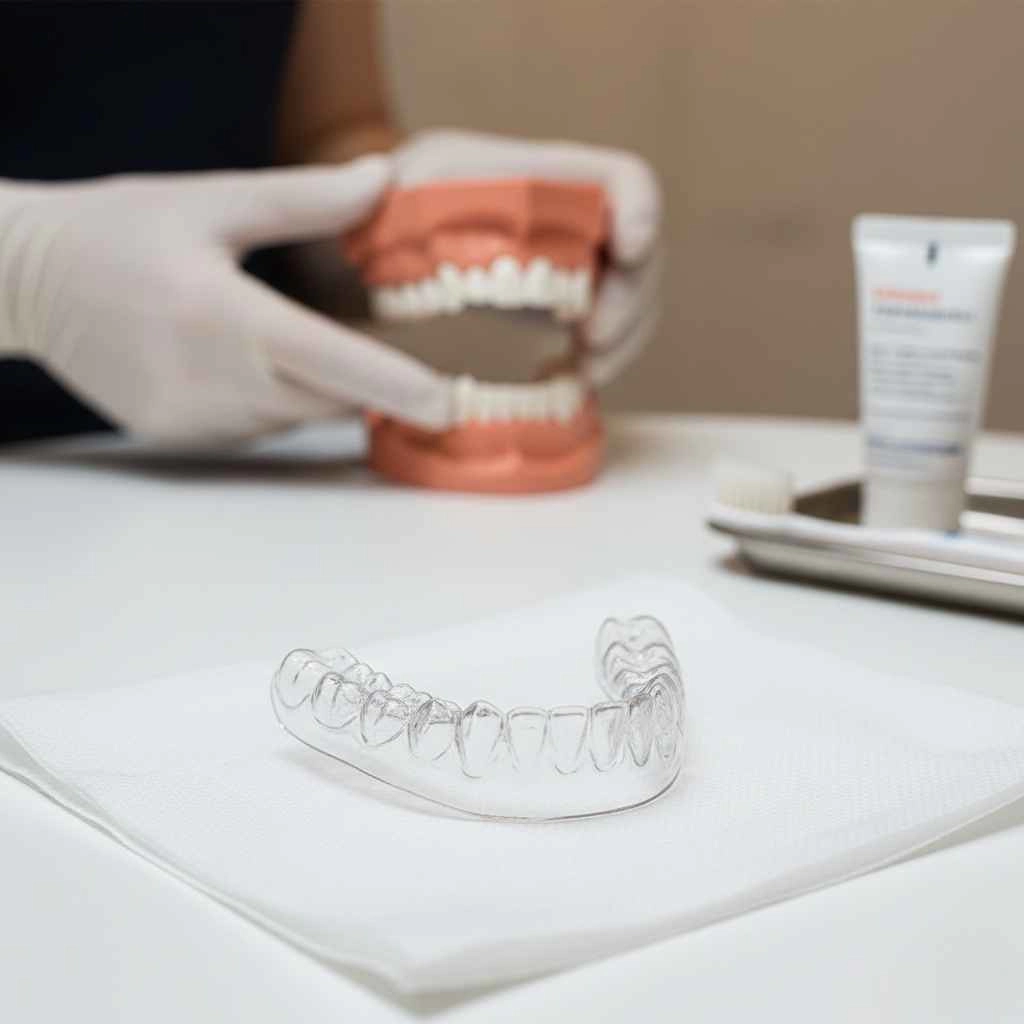
- Custom night guards for teeth grinding
- Bite alignment correction
Lifestyle Adjustments
- Stress management techniques
- Posture correction
- Avoiding hard or chewy foods
Advanced TMJ Care
- Physical therapy focused on jaw and neck
- Anti-inflammatory treatments
- Coordinated care with TMJ specialists
Treating the root cause, jaw dysfunction, often reduces vertigo episodes significantly.
A Real-Life Fort Lauderdale Scenario
A local office professional began experiencing dizziness every morning, especially while eating breakfast. After multiple tests ruled out ear infections, a TMJ evaluation revealed severe nighttime teeth grinding and jaw inflammation. Once fitted with a custom night guard and guided through jaw therapy, the vertigo episodes gradually disappeared.
Stories like this are common among Fort Lauderdale patients who finally connect their symptoms to TMJ.
When to Seek Help for TMJ and Vertigo
You should seek professional evaluation if:
- Vertigo occurs alongside jaw pain or clicking
- Dizziness worsens when chewing or yawning
- Headaches and ear symptoms persist
- Vertigo interferes with daily activities
- Symptoms don’t respond to typical vertigo treatments
Early TMJ intervention can prevent long-term joint damage and recurring balance issues.
Preventing TMJ-Related Vertigo
While not all TMJ cases are preventable, small changes can reduce risk.
Prevention Tips
- Avoid clenching your jaw during stress
- Practice good posture at work and at home
- Stay hydrated to reduce muscle tension
- Use stress-relief techniques like stretching or meditation
- Address teeth grinding early
These habits can protect both your jaw health and balance.
Why Professional TMJ Care Matters
Self-treatment may provide temporary relief, but unresolved TMJ disorders often worsen over time. Professional care ensures:
- Accurate diagnosis
- Customized treatment plans
- Long-term symptom relief
- Reduced risk of chronic vertigo
Fort Lauderdale patients benefit most when TMJ care is proactive rather than reactive.
Final Thoughts: Can TMJ Cause Vertigo?
Yes, TMJ can absolutely cause vertigo, and it’s a commonly overlooked source of dizziness in Fort Lauderdale patients. Because the jaw, nerves, and inner ear are closely connected, TMJ disorders can disrupt balance and quality of life.
If you’re experiencing unexplained vertigo along with jaw discomfort, don’t ignore the signs.
Call to Action
If you suspect TMJ may be behind your vertigo, schedule a professional TMJ evaluation. Early treatment can restore comfort, balance, and peace of mind, so you can get back to living confidently in Fort Lauderdale.