
If you’re experiencing unexplained dizziness along with jaw pain, headaches, or facial tension, you’re not alone. Many Fort Lauderdale patients are surprised to learn that TMJ disorders can cause dizziness and balance problems. Because symptoms often overlap with ear or neurological issues, TMJ-related dizziness is frequently misunderstood or misdiagnosed.
In this blog, we’ll explain how TMJ can cause dizziness, what symptoms to watch for, and why professional TMJ treatment is the safest and most effective solution for long-term relief.
What Is TMJ Disorder?
TMJ stands for the temporomandibular joint, which connects your jaw to your skull. This joint plays a crucial role in speaking, chewing, and facial movement.
When the TMJ becomes inflamed, misaligned, or overworked, it can lead to a condition known as TMJ disorder (TMD).
Common Causes of TMJ Disorder
- Jaw misalignment
- Teeth grinding or clenching (bruxism)
- Stress-related muscle tension
- Arthritis in the jaw joint
- Trauma or injury to the jaw
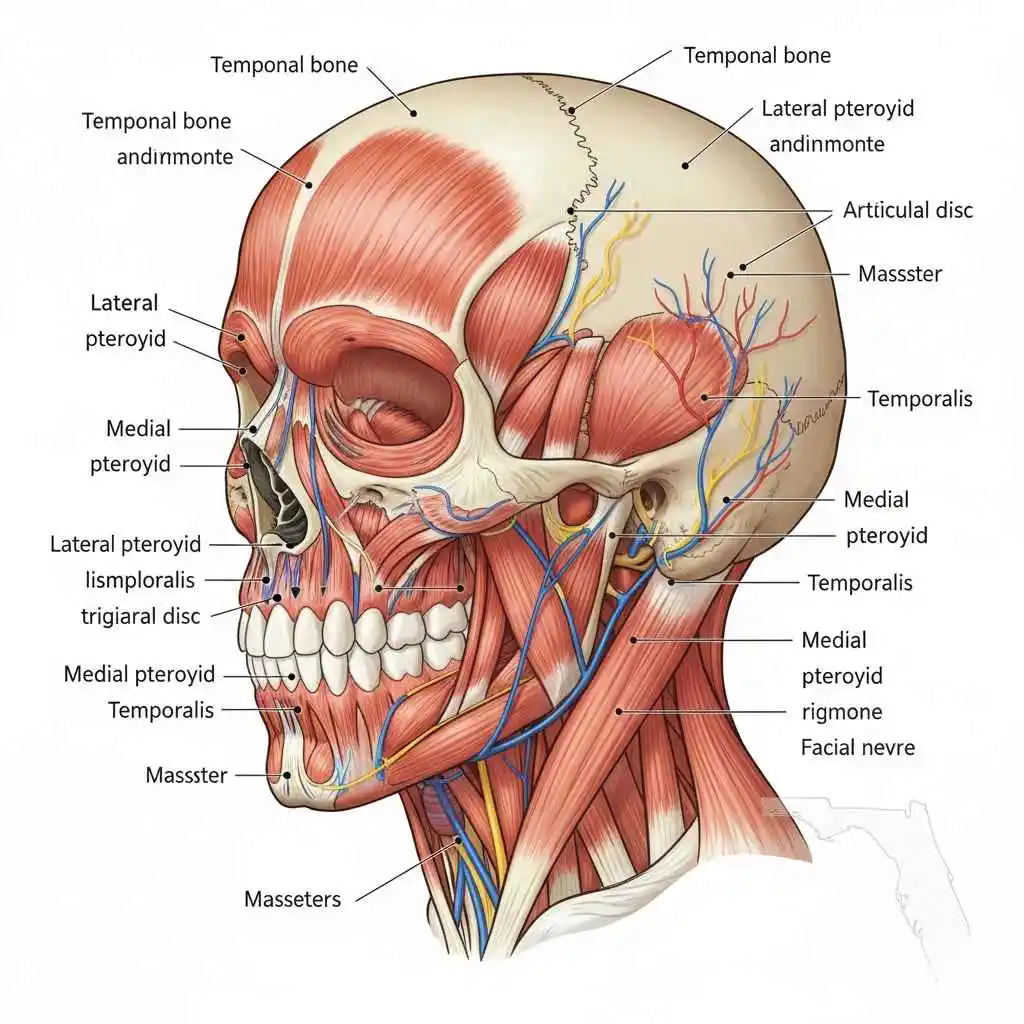
Can TMJ Really Cause Dizziness?
Yes—TMJ can absolutely cause dizziness, and it’s more common than many patients realize.
The TMJ sits very close to the inner ear, which controls balance and spatial orientation. When the jaw joint or surrounding muscles become inflamed or dysfunctional, they can interfere with nearby nerves and inner ear structures.
How TMJ Leads to Dizziness
- Pressure on inner ear structures
- Muscle tension affecting balance signals
- Nerve irritation near the jaw and ear
- Altered head and neck posture
This can result in sensations of lightheadedness, vertigo, or feeling off-balance.
TMJ-Related Dizziness Symptoms to Watch For
TMJ-related dizziness often appears alongside other jaw or facial symptoms.
Common Symptoms Include
- Dizziness or vertigo
- Jaw pain or stiffness
- Clicking or popping sounds in the jaw
- Ear pain or fullness
- Headaches or migraines
- Neck and shoulder tension
- Difficulty chewing

If dizziness occurs along with jaw-related symptoms, TMJ disorder may be the underlying cause.
Why TMJ Dizziness Is Often Misdiagnosed
Because dizziness is commonly associated with inner ear conditions, TMJ-related cases are frequently overlooked.
Conditions TMJ Is Mistaken For
- Inner ear infections
- Vertigo or vestibular disorders
- Sinus problems
- Neurological issues
Without evaluating jaw function, patients may undergo unnecessary treatments while TMJ remains untreated.
Professional TMJ evaluations help identify the true source of dizziness.
How TMJ Affects the Inner Ear and Balance
The TMJ, ear canal, and vestibular system share close anatomical connections.
Key Factors Linking TMJ and Balance
- Shared nerve pathways
- Muscle tension near the ear
- Inflammation affecting the auditory structures
- Changes in head and neck alignment
When the jaw is out of balance, it can disrupt signals that help your body maintain stability.
Why Fort Lauderdale Patients Experience TMJ Issues
Several lifestyle and environmental factors can contribute to TMJ disorders among Fort Lauderdale residents.
Local Contributing Factors
- High stress levels
- Poor posture from desk work
- Teeth grinding during sleep
- Previous dental or orthodontic work
- Sports or accident-related jaw injuries
Without treatment, TMJ symptoms, including dizziness, can worsen over time.
How TMJ-Related Dizziness Is Diagnosed
Accurate diagnosis is essential for effective relief.
Professional TMJ Evaluation Includes
- Jaw movement assessment
- Bite alignment analysis
- Muscle and joint examination
- Review of dizziness and pain symptoms
- Advanced imaging when needed

This comprehensive approach ensures the dizziness is correctly linked to TMJ dysfunction.
Professional TMJ Treatment Options That Help Relieve Dizziness
TMJ-related dizziness is treatable, especially with professional care.
Common TMJ Treatment Solutions
- Custom oral appliances or splints
- Bite correction therapy
- Muscle relaxation techniques
- Jaw alignment treatments
- Stress and tension management
These treatments reduce joint strain, restore balance, and relieve pressure affecting the inner ear.
Why DIY TMJ Remedies Are Not Enough
Online exercises or store-bought mouth guards may seem appealing, but they often fail to address the root cause.
Risks of DIY TMJ Treatment
- Improper jaw positioning
- Worsening joint misalignment
- Temporary symptom relief only
- Delayed proper diagnosis
Professional TMJ treatment provides personalized care based on your specific jaw structure and symptoms.
How Our TMJ Treatment Services Help Fort Lauderdale Patients
We specialize in professional TMJ diagnosis and treatment designed to relieve dizziness and restore comfort.
What Sets Our TMJ Services Apart
- Comprehensive jaw and bite evaluation
- Customized treatment plans
- Non-invasive therapy options
- Focus on long-term symptom relief
- Patient-centered care
Our goal is to help patients regain balance, comfort, and confidence in their daily lives.
Long-Term Benefits of Treating TMJ-Related Dizziness
Addressing TMJ disorder early can significantly improve quality of life.
Benefits Include
- Reduced dizziness and vertigo
- Fewer headaches and jaw pain episodes
- Improved chewing and speaking comfort
- Better posture and muscle balance
- Improved overall well-being
Ignoring TMJ symptoms can allow them to progress into chronic issues.
Call to Action
If you’re experiencing dizziness along with jaw pain or discomfort, TMJ disorder may be the underlying cause. Our professional TMJ treatment services in Fort Lauderdale are designed to identify the problem and provide lasting relief.
Contact us today to schedule a consultation and take the first step toward a balanced, pain-free life.