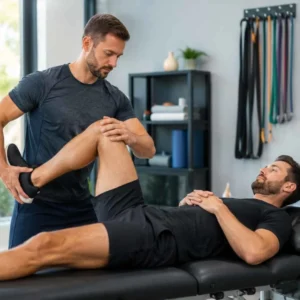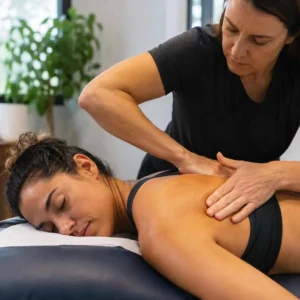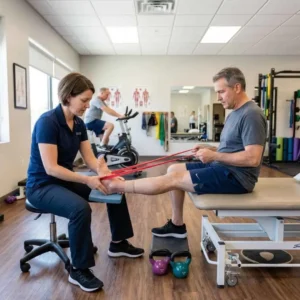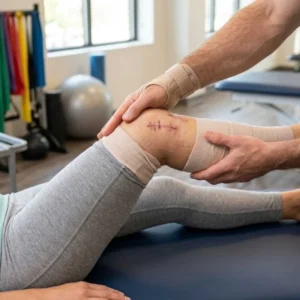
If you’ve ever experienced chronic muscle, joint, or tendon pain that doesn’t seem to heal, you’ve likely come across shockwave therapy as a modern, non-invasive solution. This innovative treatment has become increasingly popular in physical therapy and rehabilitation clinics for its ability to stimulate healing at the cellular level, without surgery, medication, or long recovery times.
But how does shockwave therapy actually work? Let’s dive into the science behind this treatment and why so many patients are turning to it for relief.
1. What Is Shockwave Therapy?
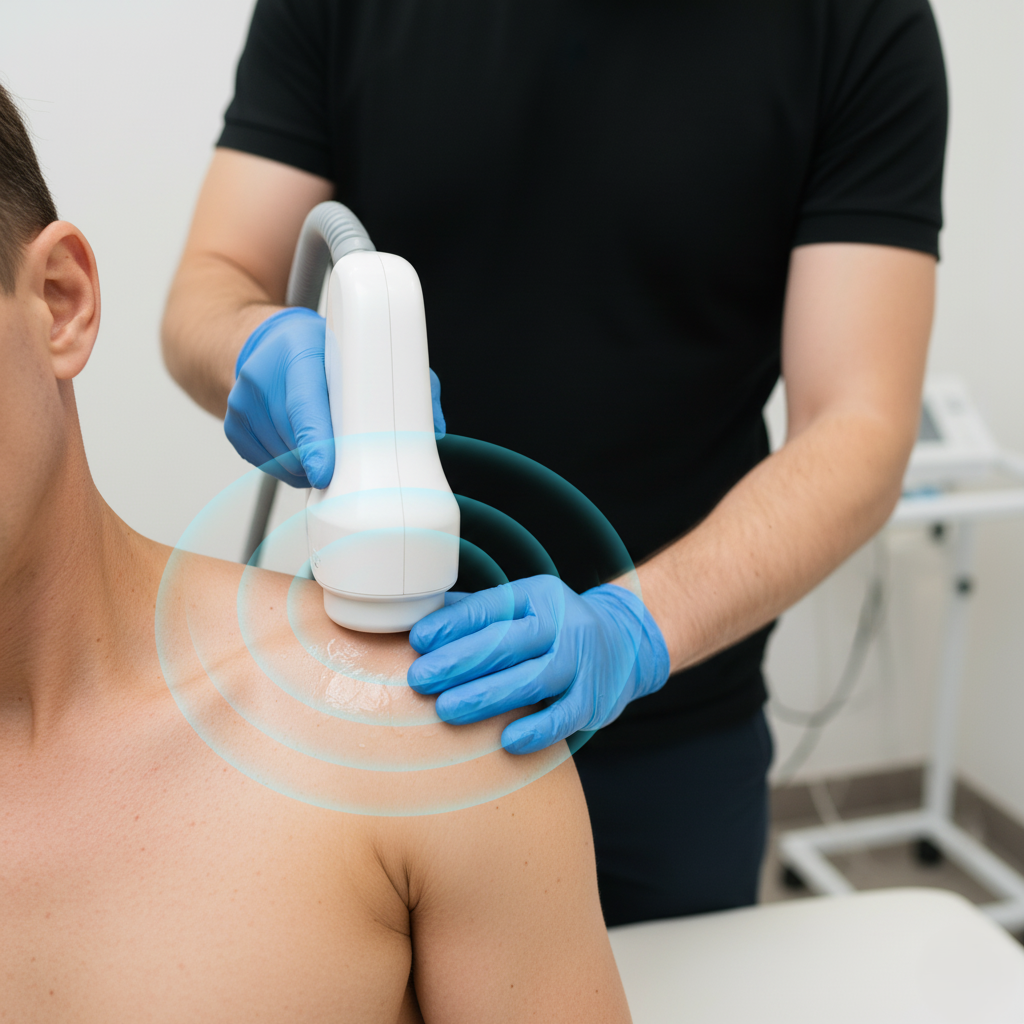
Shockwave therapy, also known as extracorporeal shockwave therapy (ESWT), uses high-energy acoustic waves to target injured or painful tissues in the body. Originally developed to break up kidney stones, this technique is now widely used in orthopedic, sports medicine, and physical therapy settings.
The device delivers focused sound waves directly to the affected area, helping to restart the body’s natural healing process, especially in cases where the body has struggled to recover on its own.
2. The Science Behind Shockwave Therapy
The human body heals through inflammation and tissue regeneration. When injuries become chronic, this process can slow down or stop entirely. Shockwave therapy works by reigniting that healing cycle through mechanical stimulation.
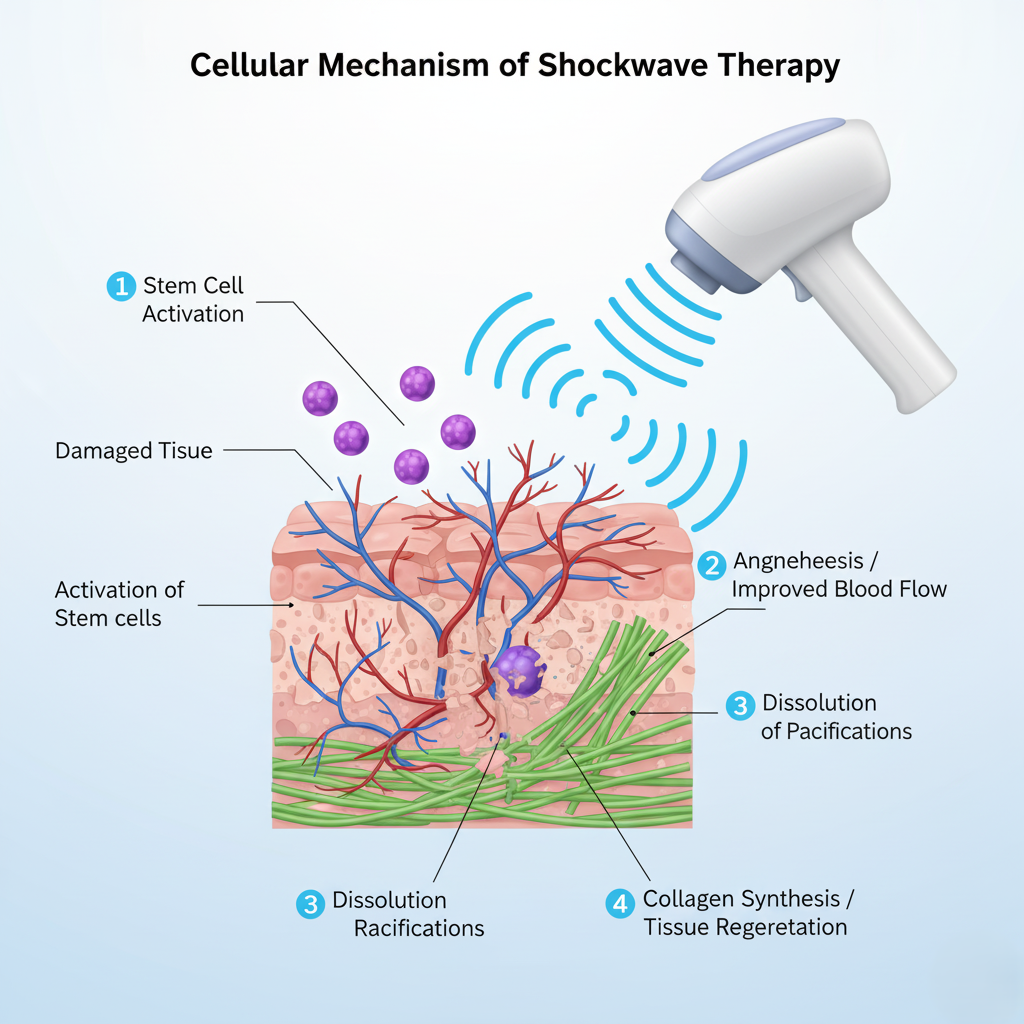
Here’s what happens beneath the surface:
- Step 1: Mechanical Pressure
The shockwaves create microtrauma in the targeted tissue. This isn’t harmful; it simply triggers the body’s natural repair mechanisms. - Step 2: Increased Blood Flow
The waves stimulate new capillary growth and improve blood circulation, bringing oxygen and nutrients that support recovery. - Step 3: Cellular Regeneration
Shockwaves activate the body’s stem cells and growth factors, helping regenerate tendons, ligaments, and other soft tissues. - Step 4: Pain Reduction
The treatment interrupts pain receptor pathways and reduces inflammation, often providing noticeable relief within a few sessions.
In simple terms, shockwave therapy encourages your body to heal itself, naturally and effectively.
3. What Conditions Can It Treat?
Shockwave therapy is versatile and has proven effective for many chronic musculoskeletal issues. Commonly treated conditions include:
- Plantar fasciitis (heel pain)
- Tennis elbow and golfer’s elbow
- Rotator cuff injuries
- Achilles tendinitis
- Knee pain and patellar tendinopathy
- Hip and shoulder bursitis
- Scar tissue or muscle tightness
- Chronic back or neck pain
It’s often used when other treatments, like rest, medication, or stretching, fail to resolve the problem.
4. The Treatment Process: What to Expect
One of the reasons patients appreciate shockwave therapy is its simplicity and efficiency. A typical session looks like this:
- Assessment: Your therapist identifies the source of pain and marks the treatment area.
- Application of Gel: A conductive gel is applied to ensure the shockwaves travel smoothly into the tissue.
- Shockwave Delivery: Using a handheld device, your therapist delivers a series of pulses—usually lasting 5 to 10 minutes.
- Aftercare: You may feel slight soreness or tingling afterward, but no downtime is required.
Most people begin noticing improvements after 2 to 4 sessions, with the best results developing over several weeks as healing continues.
5. How It Feels: Is Shockwave Therapy Painful?
While the term “shockwave” might sound intense, most patients describe the sensation as mild discomfort rather than pain. The intensity can be adjusted based on your tolerance level. Some areas may feel tender during treatment, especially if inflammation is present, but this is temporary and a sign that the therapy is working.
After treatment, any mild soreness typically subsides within 24 to 48 hours, much like post-exercise stiffness.
6. The Key Benefits of Shockwave Therapy
Shockwave therapy offers a range of advantages that make it a preferred alternative to surgery or long-term medication:
- Non-invasive and drug-free: No needles, no anesthesia, and no recovery time.
- Quick sessions: Treatments usually take less than 15 minutes.
- Accelerated healing: Promotes faster tissue repair and regeneration.
- Effective for chronic pain: Especially beneficial for injuries resistant to traditional treatments.
- Improved mobility: Helps restore range of motion and flexibility.
With consistent sessions and professional guidance, patients often report lasting pain relief and improved quality of life.
7. Why It’s So Effective for Chronic Pain
Chronic pain is often caused by stalled healing, where tissue repair has slowed or stopped altogether. Shockwave therapy reactivates that healing process by creating controlled microtrauma, which signals the brain to send healing resources to the area.
It also breaks up calcium deposits and scar tissue, two common sources of stiffness and discomfort. By restoring tissue elasticity and function, patients experience both immediate and long-term improvements.
8. Who Can Benefit from Shockwave Therapy?
Shockwave therapy is ideal for:
- Athletes recovering from repetitive strain injuries.
- Older adults with tendon or joint degeneration.
- Individuals with long-term pain unresponsive to conventional treatments.
- Anyone seeking a natural, non-surgical option for recovery.
However, it may not be suitable for people with nerve disorders, open wounds, or certain medical implants. Always consult your healthcare provider before starting treatment.

9. Combining Shockwave Therapy with Other Treatments
For best results, shockwave therapy can be combined with physical therapy, stretching routines, or strengthening exercises. Therapists often integrate it into a personalized plan that addresses both symptoms and underlying causes.
This holistic approach ensures long-term recovery rather than temporary relief.
Conclusion: Healing Through Technology and Science
Shockwave therapy represents a breakthrough in non-invasive pain management and tissue healing. Harnessing the body’s own repair mechanisms, it provides fast, natural, and lasting relief from chronic pain.
Call to Action
If you’re tired of living with persistent pain and want to explore a proven, safe treatment, talk to a licensed physical therapist or clinic offering shockwave therapy. The science speaks for itself; it’s not just about pain relief, but true healing from the inside out. Contact us today!